Thursday, 28 April 2022

How to generate leads with webinars Why should you host webinars?

How to generate leads with webinars Why should you host webinars?

How to develop a webinar?

  • Brainstorm appropriate subjects.
  • Choose a webinar format.
  • Select a webinar device.
  • Designate duties to team members.
  • Create the content.
  • Select the right day and also time.
  • Exercise the webinar beforehand.
  • Promote the webinar.
  • Involve with the audience.
  • Develop an email listing for follow-up.

It would certainly aid if you had a strategy to catch leads, convert them into clients, and follow up with them gradually. In this training course, you will find out exactly how to do every one of these with the tools currently on the market. The webinar itself is simply the start of the process.

Webinars are just one of the most effective means to increase brand name recognition and generate leads by sharing information, developing count, and getting to new target markets. Nonetheless, it’s not nearly enough to organize a webinar in less than two hours. It takes more than that to obtain results. To ensure your webinar is most likely to strategy, you must utilize the right tools. This tool will demonstrate how to generate successful webinars.

Why should you organize a webinar?

Webinars are an excellent tool that can be made used of to

  • Increase brand understanding
  • Develop partnerships with existing consumers
  • Expand your business
  • Rise sales
  • Rise web traffic to your website
  • Connect with potential clients
  • Bring in new clients
  • Rise conversion prices
  • Improve client service

How do webinars work?

What is a Webinar? | How does a Webinar Works? | Beginners Guide - YouTube

Webinars job just like any other real-time discussion. The difference is that they take place essentially instead of in a physical area. The audience follows your discussion online through a computer or mobile phone. The target market can ask inquiries, provide feedback and also leave remarks.

What makes a good webinar?

  • A great webinar has three crucial elements.
  • An exciting speaker that can interact effectively
  • A clear message

A compelling phone call to activity (CTA)

You might currently understand a few of these elements from your own experience. For example, if you are attending a meeting or training session, you will most likely initially pay attention to what is being claimed. After that, you listen carefully to see if the speaker is exciting and has something valuable to claim. And after that, you pay attention up until the end. And finally, you must take action after listening.

To be effective, you need to think about these elements and make your webinar appropriately.

Exactly how to obtain leads from your webinar?
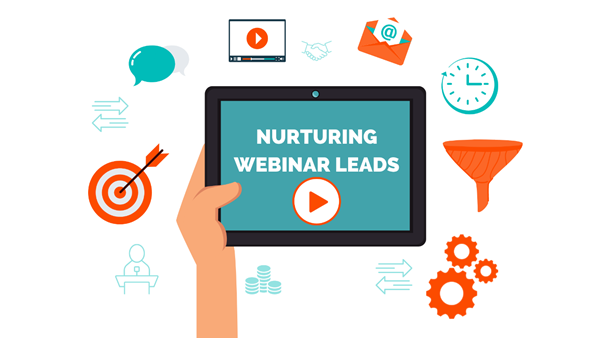
Nurture your webinar registrations into leads

Everyone and their Aunt Betty do webinars. However, they don’t get individuals to sign up for your webinar or get your item.

You’ve possibly registered for a few webinars in the past.

Signing up does not imply you will certainly go.

As well as, if you participated in or viewed the recording, you possibly didn’t acquire the promoted service or product.

Webinar conversion rates are not high?

You could only get 5 to 15% conversions on a webinar enrollment page.

The registration conversion rate for the participant maybe 35% to 45%.

The following step is to hope that the best participants attend the webinar and also make a purchase.

Many people expect single-digit conversion rates.

To obtain substantial sales from webinars, you need to overcome many hurdles.

You require to obtain many people into the top end of the channel. You are required to advertise your webinar and get the right people to join.

After that, maximize the funnel to ensure that those who have registered can attend the webinar or view a recording, which causes an acquisition.

Sound complicated?

After that, let us describe it in easy terms.

I wish you could figure out how my agency can drive colossal web traffic to your site.

SEO – Unlock enormous quantities of SEO traffic. See real results.

Content Marketing: Our group produces excellent shared web content, gets web links, and draws in visitors.

Paid Media – Efficient paid methods as well as a clear ROI.

This is the key to a practical webinar. It would certainly aid if you generated as many quality leads as feasible.

Who should attend my webinar?

Anyone who intends to grow their business via effective interaction. Our webinars will dramatically benefit you, whether you are marketing services or products, offering guidance, or education.

Webinars on client commitment as well as treatment

Hosting motivating webinars is exceptional for attracting new consumers, but it’s equally advantageous for supporting those that currently support your firm. These webinars are a terrific means to maintain to date with the latest products and announcements. They likewise supply an outstanding opportunity for clients to ask essential questions by being more friendly than ever before. The personal partnerships you build in this manner are crucial to enhancing repeat business.

How can you make your webinars much more appealing?

10 Creative Ways to Make Your Webinar More Engaging | Scientist.com

While there are many rhetorical techniques to make your speech or discussion interesting, webinars offer much more (and a little different) methods to engage your target market and get them to listen.

Right here are some ways to involve your target market throughout a webinar.

Make the waiting time enjoyable

Welcome guests. Please mention that you will undoubtedly be awaiting other attendees to turn up for a minute; ask where they are from, what sector they work in, etc.

Start by compassionately introducing yourself on your own.

Participants understand you are the specialist (or they would not have subscribed). Boosting engagement by being approachable and understanding makes it easy for them to ask concerns and make them sympathetic to you by being human.

Be passionate regarding what you are presenting

If you do not sound interested in what you’re preaching, why should your audience treat you?

Make suitable remarks throughout the webinar.

Do not just read out what’s on the slides. Permit reasonable variations, but make sure they relate to the webinar and the target market. (Pop culture references and safe jokes are also great concepts.

Check-in with the audience regularly

Time out and ask individuals if they have understood every little thing said so far. Now, they are comfortable speaking out concerning problems they are still fighting with.

Answer inquiries

Individuals may obtain stuck on a topic that they discover tough to understand during a webinar. Consequently, if a burning question is asked, try to address it. Ensure that your target market takes a breath, sighs of alleviation, and listens again.

See to it you have the right people aboard

Handling the volume of concerns from webinar participants can be challenging. For this reason, it is an excellent concept to have a specialized mediator. The conversation must be supervised and also carried out skillfully.

Additionally, suppose you can consist of visitors in your webinar. In that case, the element of surprise, a slightly varied tone, and the chance to learn from a particular professional will undoubtedly interest the participants.

Make it a test!

To make your webinar interactive, do not simply address the concerns yet likewise boost your target market’s brains for a couple of minutes during the webinar with a pop-up quiz. Share the answers promptly or make them wait up until completion.

Ask your audience for responses

This has two primary benefits. Individuals can act on their remarks and obtain details on what they can improve and what you succeed in in the future (benefit: excellent webinar comments will certainly make your day!).

Keep in touch with participants after the webinar

Webinars are simply one touchpoint for customer interaction. After the event, you can conveniently access reports and transfer participant info to your customer connection administration (CRM) application to facilitate lead management and follow-up.

Conclusion

Webinars have become a prominent gated web content method over the last few years, particularly with the innovation schedule to document and broadcast live video clips. Webinars offer a unique possibility to supply web content in an online webcast atmosphere, responding to inquiries from the target market.

Webinars tend to have a more excellent perceived value than other sorts of web content with a threshold and, for that reason, higher conversion prices, although platforms such as Facebook allow live streaming without the need to send an email. Not dealing with tools such as webinar-specific software program choices.

Webinars generally have a dedicated landing web page for instructor information. Videotaped webinars can, after that, be published on the resource library web page.

Did you like this blog post? For more please visit MySalesScript

The post How to generate leads with webinars Why should you host webinars? appeared first on MySalesScript.


https://i.ytimg.com/vi/h_IhUTfszpA/maxresdefault.jpg
https://www.mysalesscript.com/how-to-generate-leads-with-webinars-why-should-you-host-webinars/?utm_source=rss&utm_medium=rss&utm_campaign=how-to-generate-leads-with-webinars-why-should-you-host-webinars


Wednesday, 27 April 2022

12 Secrets of Successful Webinar Promotion

12 Secrets of Successful Webinar Promotion

The only thing you require for an irresistible webinar that attracts many registrations is excellent content. But wouldn’t that be great?

It would be best to have an effective webinar promotion strategy to reach (and even exceed!) your webinar goals. It includes engaging posts on social media, a solid landing page, a perfect title, etc.

We have already researched and recognized what works and what doesn’t for webinar promotion. Check out these 12 proven tactics to generate more demand and registrations for your next webinar.

1. Set your webinar promotion timing

When promoting your webinar, timing is critical. There are certain times and days when registration prices are consistently higher than others. Here are the most effective times to schedule webinar promotions:

  • Tuesdays: Tuesdays see the most registrations, 24% of total registrations. Mondays, Wednesdays, and Thursdays also do well but make sure you start key promotions on Tuesdays.
  • Mornings: Registrations are exceptionally high between 8 am and 10 am. Send mails early in the morning to ensure you are at the top of recipients’ inboxes.
  • 3-4 weeks: We recommend starting to promote four weeks before the webinar and increasing the frequency of promotion as the webinar gets closer. There will be a steady flow of sign-ups from 3 to 4 weeks before the webinar, with a spike in the week.

2. Advertise on your properties

The best thing about advertising on your websites is that it’s free! Here are some ways you can advertise upcoming webinars on your website:

  • The page features: Put upcoming webinars on your resource and event pages on your website. Consider setting up a webinar page to showcase regularly scheduled webinars if you don’t already have one.
  • Banner advertising: Highlight your webinar with an advertising banner on your homepage. It is also an excellent method to keep dynamic content on your homepage. And don’t forget to consist a banner ad on your blog.
  • Thank you/confirmation pages: Keep in touch with those who have already shown interest in your products or content by promoting upcoming webinars on follow-up pages and pop-ups.
  • Curated content: Write posts on your blog with complementary topics to your webinar and include a link to your webinar landing page.

3. Email

According to our research, 79% of registrations are typically made via email. That makes email the most effective advertising channel for webinars. Remember to send the first promotional emails 3-4 weeks before the webinar and increase the frequency of emails a week before the event.

4. Don’t forget social media

It is always the best idea to be active on social media. It shows your followers that you are engaged in the conversation and awareness of your online community. So get social:

  • Twitter: Tweet frequently about your upcoming webinar and use relevant hashtags (don’t forget to choose a particular hashtag for each webinar).
  • Facebook and LinkedIn: Plan promotions on Facebook, Twitter, and LinkedIn. Make sure you use high-quality images, compelling content, and a strong CTA.
  • Groups and Forums: We don’t want you to spam, but if you are an active group member, make sure you promote your upcoming webinar on relevant groups and forums.
  • Paid promotion on social media: Experiment with paid promotions on Facebook, Twitter, and LinkedIn.


5. Work with an influencer or a big brand

Working with an industry influencer adds credibility to your webinar and creates value for your audience. Their audience will also notice you, which can significantly increase your marketing reach.

When collaborating, make sure it’s easy for your partners to promote the webinar. And when we say “easy,” we mean that they should be able just to cut and paste. To ensure consistency across all channels, you should provide your partners with some marketing materials as early as possible:

  • Brand imagery
  • Link to registration
  • Sample emails
  • Social posts

6. Use the networks of your employees

Involve your employees in your webinar promotion plan!  Especially if their social networks match those of your target audience. Your employees are one of the most significant assets on social media to spread the word about your webinar. LinkedIn reports that employees have 10x more links than a firm has followers. Give your staff members links and social copy to easily share it on social media.

7. Optimize your sign-up page

An excellent sign-up page means more sign-ups. Here are some simple optimizations you can make to your landing pages to increase sign-ups:

  • Reduce the number of form fields: Generally, the fewer fields, the better. Only fill in the fields that are necessary for registration.
  • Include a video: Consisting a video on a landing page can increase conversion rates by up to 80%.
  • Highlight the benefits: Tell your target audience why they should register and what they can expect from participating. Remember to be brief; no one likes a long registration web page.

8. Use retargeting ads and various other paid media

Just because visitors didn’t sign up for your webinar doesn’t necessarily mean they aren’t interested or won’t sign up for a future webinar. Only 2% of web visitors convert on their first visit. With retargeting ads, you can effectively target your advertising budget to people already familiar with your brand and have shown interest.

If you have the budget plan, it’s likewise worth experimenting with paid media, including targeted social and present advertisements. The keyword here is targeted. Don’t just put banner ads everywhere. Look for advertising opportunities on websites that are particularly relevant to your target group. And use detailed targeting to reach people in your desired demographics, industry, function, etc.

9. Send personalized webinar invitations

Work with your sales team to create personalized messages for critical accounts. Not only will prospects appreciate the personal attention, but your sales team will appreciate the insight into your campaigns and marketing support.

10. Make it a regular series

A regular webinar schedule can help you build momentum and keep your audience’s attention. They’ll anticipate the next episode and be more likely to sign up for the entire series. If you’re hosting a webinar series, forgo hashtags for individual webinars and use one hashtag for the series.

11. Get to the heart of the topic and title

The best webinar promotion is of no use if the title and topic of the webinar are a bust. What types of webinars get the highest registration and attendance rates? What are the hot topics your audience is talking about on social media? Which blog posts are the most popular? Before you pick a topic, do some research to find those that resonate with your audience. You can ask your sales team for ideas.

Once you’ve found your topic, write a clear title with a clear message. The most effective webinar titles are usually:

  • Bulleted lists – e.g… 10 little known ways to [blank]
  • How to – e.g., How to do [something brilliant] like [someone brilliant].
  • 101 – e.g. [Interesting topic] 101: Learning how to [blank] like a pro.
  • Courses, training, and workshops – e.g., Content Marketing Master Workshop.
  • New – e.g., New data shows how marketers should [blank]
  • Trends – e.g., The new trend in [blank] that [someone brilliant] swears by

12. promote on-demand webinars

When you promote your on-demand webinars, more people have the option to watch the webinar when they want. 84% of B2B customers choose replays over live webinars. Once you’ve finished your webinar, make the recorded version available on your website. You can even set up a central webinar library on your website. You can advertise your on-demand webinars on your resources page, nurture projects, etc. It positions your company as an expert with a wealth of educational video content.

You can also share your webinars on GoToStage, where you can reach new audiences and produce new leads.

What marketing tactics have worked great for your webinars? If you adhere to these rules of webinar promotion, you’ll be well on your way to success – promotion is half the battle, after all! Remember to maintain your audience in mind throughout the planning process, from deciding on a webinar topic to scheduling social posts to designing your landing page. 

The purpose of a webinar promo is up to the host, but the options to choose from are on a wide spectrum. This means that the tools you use to launch your webinar have to be flexible enough to provide you with features that will keep your audience engaged, no matter the topic. And MySalesScript.com has the expertise to help you launch a professional webinar promo material as per your needs and audience.

for more visit MySalesScript!

The post 12 Secrets of Successful Webinar Promotion appeared first on MySalesScript.


https://ifttt.com/images/no_image_card.png
https://www.mysalesscript.com/12-secrets-of-successful-webinar-promotion/?utm_source=rss&utm_medium=rss&utm_campaign=12-secrets-of-successful-webinar-promotion

Wednesday, 20 April 2022

What is a video sales letter funnel? Sales letter tips

What is a video sales letter funnel? Sales letter tips

A video letter sales funnel is a series of video clips you create to build your list and obtain people interested in what you need to use. You can utilize it as an affiliate marketing device or do it for enjoyment.

The first step is to select the ideal products, which we will cover in more information later. Afterward, you must figure out just how much you wish to invest in advertising and marketing monthly. This includes spending for leads, developing ads, and acquiring traffic.

The best way to do this is to utilize Google AdWords.

Produce your video sales letter in 5 steps

Developing a video clip sales letter is exceptionally straightforward.

Most of the content you require will certainly be one or a few 5-10 minute video clips. You will then need to pick a sales funnel, publish these videos, and drive traffic.

1. Write a quick outline

How To Write An Outline (Explained with Steps) | Marketing91

The primary step is to write a quick outline of what you desire the sales letter to do. Do you wish to sell a product, advertise an item or educate your viewers? As soon as you’ve determined what you want the letter to accomplish, you require to identify your client base. Who are you sending the letter to? If it’s to existing consumers, you currently recognize who they are. If it’s for a prospective client, you’ll require to do some research study. Beginning considering your email advertising database. Who have I not called lately? What are my most valuable clients? In what locations do they need help? These are all questions you require to ask on your own.

The following step is to start calling these people. Ensure you inquire if they intend to receive even more details regarding your items or deals.

As soon as you have developed a listing of receivers, please send out an email asking them to receive more info.

State something like, “We have been thinking of you and observed that you recently saw our site. We wish to allow you to understand that we presently have a special offer. If you look at the products below and position your order by 31 January, we will certainly lower your delivery expenses by 50%.”.

1. Create a script

Because several moving parts are involved in video clip production, what you don’t want to occur is reserving your ability, renting out a workshop, working with a movie team, and then making last-minute changes to what you want the actors to say or how you want the video clip to circulation.

Create your manuscript in advance, obtain your boss to accept it (or ask your staff or partners for feedback), and ensure you recognize precisely what the video needs to look like before you start filming.

2. Compose an email

How to Send an Email from Word Document

Compose an email discussing your deal, telling them exactly how to redeem it, and offering a web link to where they can view your item.

Compose a 1-2 paragraph email regarding your deal. Try to remember your potential clients. It’s necessary to make them feel as comfortable as possible. Try to utilize their name in the email. Usage favorable adjectives to explain the product.

Follow-up emails with a short video sales letter. Keep it brief and also to the point. Inform your prospect concerning your product as well as what it supplies. Remember, this is a sales letter, not a novel.

Video clip Sales letters are typically created to be watched on tablet computers and mobile phones. It’s necessary to guarantee that your video clip sales letter can be seen on any gadget and optimize it.

3. Choose your sales funnel

7 Pro Tips to Build An Awesome Sales Funnel | Nimble Blog

The very best means to get people to act online is to use a sales channel.

A website or a solitary web page can perplex site visitors about what action a possible individual needs to take and sales funnels, which are made to drive site visitor conversions deliberately.

Look at our video sales letter funnel if you want to market an item.

Check out our press web page funnel if you wish to generate leads.

Take a look at our webinar sales to funnel if you wish to run an event.

Remember that you can transform any funnel into a video clip sales letter using a sales video clip instead of a sales copy.

Once you’ve picked your sales to funnel, it’s time to tape-record some video clips.

5. Driving Traffic

5 Tips to Drive Traffic to Your Website - iRaiser

The only means to develop a successful video sales letter is to develop it and then drive website traffic to it.

Besides, if your target audience does not make it to the page, your video clip sales letter will not stand an opportunity to convert.

For that reason, this is a necessary action.

Here’s a concern you should ask yourself long before launch day. How are you most likely to drive web traffic?

Are you going to work?

Cost: Different elements establish your video clip manufacturing budget plan and numerous execution alternatives. This post will certainly describe your costs in depth.

Once you obtain the last cut of your video clip, it’s your look to take advantage of it.

My sales script

Home - MySalesScript

We count on the transformative power of image and style and their capability to streamline interaction, boost experiences, and engage and inspire individuals everywhere. Great design and also good connections come from collaboration. We’re thrilled to begin aesthetic discussions, be familiar with you, and create something beautiful together.

Wish to complete the gaps rapidly and conveniently in your specialist funnel or sales script design template? Click on this link now my sales script.

Conclusion

Producing a video sales letter is not rocket science. However, it does call for a great deal of research and preparation.

You need to decide what sort of video sales letter you intend to produce, whether to obtain innovatively or stick with a template and consider where the best material to utilize in your video clip is.

It would certainly assist in considering that they will certainly see your video sales letter and how they will react to it.

This indicates considering the rate of interest, goals, obstacles, discomfort points, and purchasing standards of the people viewing the video.

Finally, it would aid if you decided how you will drive web traffic to your video clip sales letter.

Enjoyed this blog post? For more please visit My sales script

The post What is a video sales letter funnel? Sales letter tips appeared first on MySalesScript.


https://www.marketing91.com/wp-content/uploads/2020/07/How-to-write-an-outline-1.jpg
https://www.mysalesscript.com/what-is-a-video-sales-letter-funnel-sales-letter-tips/?utm_source=rss&utm_medium=rss&utm_campaign=what-is-a-video-sales-letter-funnel-sales-letter-tips

Tuesday, 19 April 2022

Essential questions to ask yourself when writing sales email subject lines

Essential questions to ask yourself when writing sales email subject lines

When sending sales emails, ensure your subject line doesn’t thwart your efforts. Although the subject line is sometimes overlooked when sending cold-calling emails, it’s arguably the most critical part because it determines whether you will open your email.

Before starting the first draft, get in the right frame of mind to build a better relationship with your prospects and remind yourself of the essential points to address with your sales email subjects.

Here are nine questions you should ask yourself before you begin

  • What are you selling? : You understand what your business has to offer and think about its value to the potential customers you’ll be sending this email to. If you’re launching a new product, no one cares that it’s a new product unless it can solve one of their problems much better than what they’re currently doing.
  • Who are you selling to? : Who are your prospective clients? Why do they require your services or product? Please put on your own in their shoes and think of their requirements.
  • What metrics are you going for (target % open rate, response rate, etc.)? : Knowing your goals can help you write better subject lines to trigger the right action from your email recipients.
  • What’s the best way to motivate them to respond? : Your goal is to get the recipient to open, read and respond to the email. Address the recipient’s issues in their language, or give them a time-sensitive tip.
  • You want to make an excellent first impression. Is the recipient already familiar with your company? : Are you corresponding with someone who already knows your company, or will this email be the recipient’s first contact with your company?
  • Do you have any standard connections? : Maybe you have a shared acquaintance, went to the same school, or belong to the same LinkedIn group. Finding common ground, making a recommendation, and hinting at it in the subject line will dramatically increase your chances of catching the prospect’s attention.
  • Why should they open your email? : Think of this as a method to “spice up” the text of your email. Make it sound good so the prospect will want to read the rest.
  • Would you remove an email with this subject line if it appeared in your inbox? : Think about your own experience with receiving sales emails. How many of them do you delete, and how many do you read? If you wouldn’t click on them yourself, your prospects probably won’t.
  • Bonus: How can you determine which subject lines work best? : Once you experiment with different subject lines to find out what appeals most to your customers, it’s essential to track what works and what doesn’t.

Ten advanced email subject line hacks that sales reps swear by

Intend to get even more out of yourself? These nine tips are on the cutting edge. Try them out to see what gives you the most success!

1. Intentional spelling mistakes

We know this sounds pretty weird. But a small intentional spelling error can make your email seem more human. A small mistake, like pressing the key next to the letter you would typically put in the word, doesn’t make it seem like you don’t know how to spell the word, but rather that you typed and sent it in a hurry. That can convey a sense of urgency and entice the recipient to open your email sooner than if everything was spelled correctly.

2. Connect the dots

No, we’re not suggesting you design some art project for kids – we’re talking about using standard connections. If you have a mutual acquaintance or have attended the same event, those connections might help you land a new client. Recommendations are worth their weight in gold regarding subject lines for coldcall emails.

3. Check deliverability

Make sure you don’t use words that might cause your recipients’ email services to sort your sales emails into their spam folders. Words and phrases like “bonus,” “click here,” and “winner” can cause your emails to go straight to the junk folder. You need to also run a test on your DNS records to ensure no problems.

4. Know your audience


A good email subject line is appropriate to the tone of your email, depending on who you’re sending it to. If you are sending an email to CEOs of large companies, the tone should be different from targeting free-spirited small business owners.

5. Use only company names

Instead of addressing recipients by their first name, try to use only the company name or no personal/custom variables.  

6. Use lower case letters


If you’re sending an email to someone you know, you probably won’t capitalize every word in the subject line. Using capital letters only when necessary will make you seem more human and genuine.

7. Be creative


Using your wit and sense of humor can help you create memorable email subject lines for sales. When you use a play on words or include a joke, people get curious, and it’s a unique way to make your emails stand out. We recommend giving this a try.

8. The first sentence of the email


Even though this sentence is not part of the subject line, you should pay attention to the first sentence or two of the text in your email, as this part sometimes shows up as a snippet right below the subject line in the inbox. If your snippet reveals that your subject line was just clickbait or is full of garbage, such as an unsubscribe button, it may discourage potential customers from opening your emails.

9. Emails with only one subject line


Send emails with only a subject line and no text in the email. Using EOM at the end of the subject line also works well. I know a sales team that used this technique to hit the bull’s eye.

10. Address their pain points


It’s often very effective to get right to the (pain) point in your email subject line. If you can make a pretty informed guess about a significant professional issue, the recipient is struggling with, it’s worth using that in your subject line.

Sometimes try using typed emojis instead of visual emojis . It is most appropriate when talking to salespeople, marketers, support, and customer success agents. The more you can speak the jargon employees use when communicating with their colleagues, the more likely you are to get higher open rates.

Writing the email subject line can be just as time-consuming as writing the entire press release, brochure, etc. So writing compelling email subjects is an expertise that can only be left to professional copywriters like My Sales Script not only to give you the most effective email subject lines but those which can capture the attention of your audience.

The post Essential questions to ask yourself when writing sales email subject lines appeared first on MySalesScript.


https://ifttt.com/images/no_image_card.png
https://www.mysalesscript.com/essential-questions-to-ask-yourself-when-writing-sales-email-subject-lines/?utm_source=rss&utm_medium=rss&utm_campaign=essential-questions-to-ask-yourself-when-writing-sales-email-subject-lines

Wednesday, 13 April 2022

Five different types of e-commerce follow-up emails every online business should send out

Five different types of e-commerce follow-up emails every online business should send out

Today, follow-up emails in eCommerce play a critical role in attracting new customers, retaining lost customers, and driving repeat sales. Marketers and e-commerce websites consider follow-up emails the best promotional tool to get their brand and product noticed. No matter how popular social media sites become, emails will always be the most convenient and effective medium to interact with your new and existing customers.

Follow-up emails serve as a communication channel between customers and the e-commerce website. According to a recent study, out of 1000 companies, only 24 companies (2.4%) send follow-up emails to their new and existing customers. Therefore, every e-commerce website needs to know what kind of email it should send to its clients.

An effective follow-up email strategy will undoubtedly help you outperform your competitors. Today, some e-commerce websites use various tools and software to automate their follow-up email campaign.    This article will learn why it is essential to send a follow-up email and the different types of follow-up emails your eCommerce website can send to recipients. We have listed different follow-up emails, such as welcome emails, cart abandonment emails, and post-purchase follow-up emails. 

Why is it essential to send follow-up emails? 

Many of you may not know it, but follow-up emails are one of the most effective and powerful tools to help you build a good relationship with your new and existing customers. Devising an effective follow-up email strategy can help you increase your conversion rate and outperform your competitors.  

In the e-commerce industry, follow-up emails are created and sent to engage and encourage potential customers to return to your e-commerce website for another purchase, welcome new clients, and more.  

For different situations, there are different kinds of follow-up emails. For instance, you can send welcome emails to re-engage the inactive customer, re-engagement emails, cart abandonment emails, and more to interact with your newly added customer. Below we have discussed the different follow-up emails you can send to your customers. 

Different types of follow-up emails that every e-commerce store should send out

1. Welcome email 

Your welcome email plays an essential role in determining whether or not your new customer will become your potential customer. With the rise of eCommerce websites, most savvy online shoppers expect a welcome email when they sign up or register on a new eCommerce website.  It is the first time you are interacting with your new customer.

You can tell what kind of content a welcome email will contain from the name. It is one of the most common emails that every user faces daily. Even when you sign up for a blog post or a newsletter, you will receive a welcome email. You are trying to thank your subscriber for becoming a potential customer with a welcome email

A welcome email helps you introduce your business to the new customer who has joined the eCommerce industry. So, the message in your welcome email can make or break your relationship with your customer. 

If your company is one of them, you should stop it immediately because this kind of activity annoys the customers, and there is a risk that your new customer will unsubscribe from your email list

When you send a welcome email to your new subscriber, you should indicate what kind of email they will receive in the future. Give them why they should not unsubscribe from your email list in the same email. In most cases, companies don’t interact with their subscribers after sending a welcome email, which can cause your new subscribers to forget about you.

  • Thank your clients for joining your email list
  • Raise expectations and tell your subscribers what kind of email they will receive in the future.
  • Tell them about your e-commerce site by introducing yourself, and you can include details about your niche (but remember, you are not promoting your product before your subscribers.
  • Use the following tips to craft an enticing welcome email for your subscribers: 
  • Suppose you have asked your subscribers to join your email list and received an incentive.
  • Then don’t hesitate and give the incentive too late. 
  • Create engaging content in your welcome message. 
  • In the same welcome email or the complying with email, you can ask your customers to share their details to get more information about the following offers, sales, and discounts. 
  • Don’t forget to include social media icons in your welcome email 
  • The essential thing is not to forget about your customers after sending a welcome email.
  • Please stay connected with them by sending various offer-related emails and engaging them by sending warriors newsletters.

2. Abandoned cart email

Follow-up emails include abandoned cart emails, used by almost every eCommerce website. The most popular follow-up email type that the eCommerce website sends after a customer adds the product in the checkout and forgets or refuses to buy the product. Sending an email about an abandoned cart helps remind your customers about the product they forgot to buy. It also keeps the customer’s memory of the product fresh. 

Abandonment emails are automatically generated within 1 hour after a customer leaves the product in the cart. Various automation software like Mailchimp, Getresponse, and others can help you automatically generate the cart abandonment email and send it at the correct time when your clients can open the email and check the information

You can also send the email by hand, but remember, if your e-commerce website gets a lot of traffic and orders, it is recommended to use automated software to help you target many customers. 

To make your abandoned orders email more effective, you can offer some incentives (as seen in the image), such as discounts, free shipping, etc., and make sure you create a subject line that will catch your customers’ attention. Subject lines like “Did you forget something?”, “Your product is missing you,” etc., will grab your customer’s attention.

You can also use urgency triggers in your abandoned cart email to bring your customer back to your eCommerce website. Phrases like “There are only a few left in stock,” “Offer is valid for a limited time only,and more can grab your customer’s attention. Do not forget to add reviews and recommendations for this product. Including reviews in your email can be a plus point that can help you convince your customers. 

3. Follow-up email after purchase

Many e-commerce websites think their job is done after the customer has successfully purchased from their store. But in reality, the actual engagement begins after your clients have purchased the product from your eCommerce store. Post-purchase emails are the most anticipated ones because they contain all the details about the orders, such as the tracking number, order details, and more. 

You may wonder why you should send these follow-up emails when all the information is available on your website. First, these emails have a higher open rate because your customer wants to know every detail. You can also use post-purchase emails to promote related products. 

With a post-purchase follow-up email, you can thank your customer for buying from your store and encourage them to come back and make another purchase on your eCommerce website.  

You can create a series of post-purchase emails that include order details, purchase feedback, etc. You can also include a follow-up email informing your customers about the product. If you include these strategies in your follow-up emails, you can reduce and minimize the feeling of dissonance after the purchase. 

4. Subscription expiration email 

If your business sells online subscriptions, you need to remind your customers of the expiration date. In most cases, customers are unaware of their subscription expiration date or forget to renew their subscription. Sending these remainder emails will help your customers know when their subscription expires. 

When your customer purchases a product, you can ask them to enable the email reminder option. You can use automated tools and software to create the email after analyzing your purchase data automatically. You can schedule an email sequence where you remind your customer of the expiration date in the first email. If your client refuses to buy the subscription, you can send them another email and offer them an incentive like discounts or coupon codes.  

5. Re-engagement email for inactive/old clients

In the e-commerce industry, customer interaction is one of the most popular terms for targeting inactive customers who haven’t purchased a product from your store in a while. If you want to re-engage your inactive customers, a win-back email can be the best option to bring them back to your e-commerce website

Mainly, such situations occur when your active customers become inactive and stop visiting your eCommerce website and stop purchasing from your store.  Don’t worry, and you can retarget your inactive or old customers by sending them a follow-up email after 30 or 60 days. 

To make your email more efficient, you should write an enticing subject line and content to make your inactive customers respond to your email. They are already familiar with your brand, so it will be easy for you to appeal to them and convince them to return to your website

Usually, the win-back email eCommerce website offers various incentives such as discount codes, free shipping, cashback offers, and much more. You can also use this strategy to convince your customers about your win-back email. When offering incentives to your customers, add urgency triggers such as valid until date X, coupon expiration date, etc.

How can inactive customers become loyal customers? 

Remember: your loyal consumers are the ones who will help you increase your brand awareness, sales, revenue, and more. They are the ones who will suggest your eCommerce website to their friends and family. And if your eCommerce website recommends the product to the customer, they will indeed show interest in your product. Your loyal customers will never hesitate to buy from you again compared to other customers. 

Converting your new customers into dedicated customers needs more effort and time. Before converting them into loyal consumers, you need to engage them and tell them about your brand and products. Your existing customer already knows your e-commerce website, so it is much easier for a good e-commerce website to approach a lost customer and convert them into loyal customers. 

Your lost customers already know your eCommerce website, so it will be easy for you to turn them into loyal customers. It would be great to find out why they stopped visiting your website, identify your mistake, try to fix it by showing that you have updated your processes, and encourage them to revisit you on your website.

A follow-up email is an essential part of a successful eCommerce business, whether you welcome new customers or send them a cart abandonment email. Every follow-up email campaign pays off and helps you build a good relationship with your customers. It also helps you convert your existing customers into loyal customers

Communicating with your customers via email will help you build a strong connection with them. So, if you want to succeed in the e-commerce industry, you need to send automated follow-up emails to your customers. With this kind of email, you can show appreciation to your customers and show them that you are watching and appreciating their activities (reviews, purchases, etc.) and that it is essential to you. 

Above, we have mentioned some essential follow-up emails that every eCommerce website should send to its customers. If you handle these emails manually, you should switch to an automated process. Switching to the automated process will help you generate the follow-up email automatically whenever a customer performs an activity on your eCommerce store. It will automatically determine the right time to send out the email. It will also ease the procedure of handling the email campaign.

Unlike email newsletters, follow-up emails shouldn’t belong. They should be concise and straightforward in their message. You need to be transparent and honest when communicating with decision-makers because the main idea is to reach them.

After learning the different types of follow-up email messages and how to write them correctly, it’s time to choose a reputable and professional copywriter to do the job. for more visit MySalesScript!

The post Five different types of e-commerce follow-up emails every online business should send out appeared first on MySalesScript.


https://ifttt.com/images/no_image_card.png
https://www.mysalesscript.com/five-different-types-of-e-commerce-follow-up-emails-every-online-business-should-send-out/?utm_source=rss&utm_medium=rss&utm_campaign=five-different-types-of-e-commerce-follow-up-emails-every-online-business-should-send-out

Saturday, 9 April 2022

How to increase your conversion rate: the complete guide

How to increase your conversion rate: the complete guide

 Are you looking for ways to increase conversions at every sales funnel stage? We’ll walk you through the different sales funnel stages and share some tips for improving your conversion rates throughout your funnel.

Before we dive into tips to increase conversions, let’s first agree on what a sales funnel is and what you’re trying to optimize for each sale funnel stage.

What Is a Sales Funnel?

Sales Funnel Stages

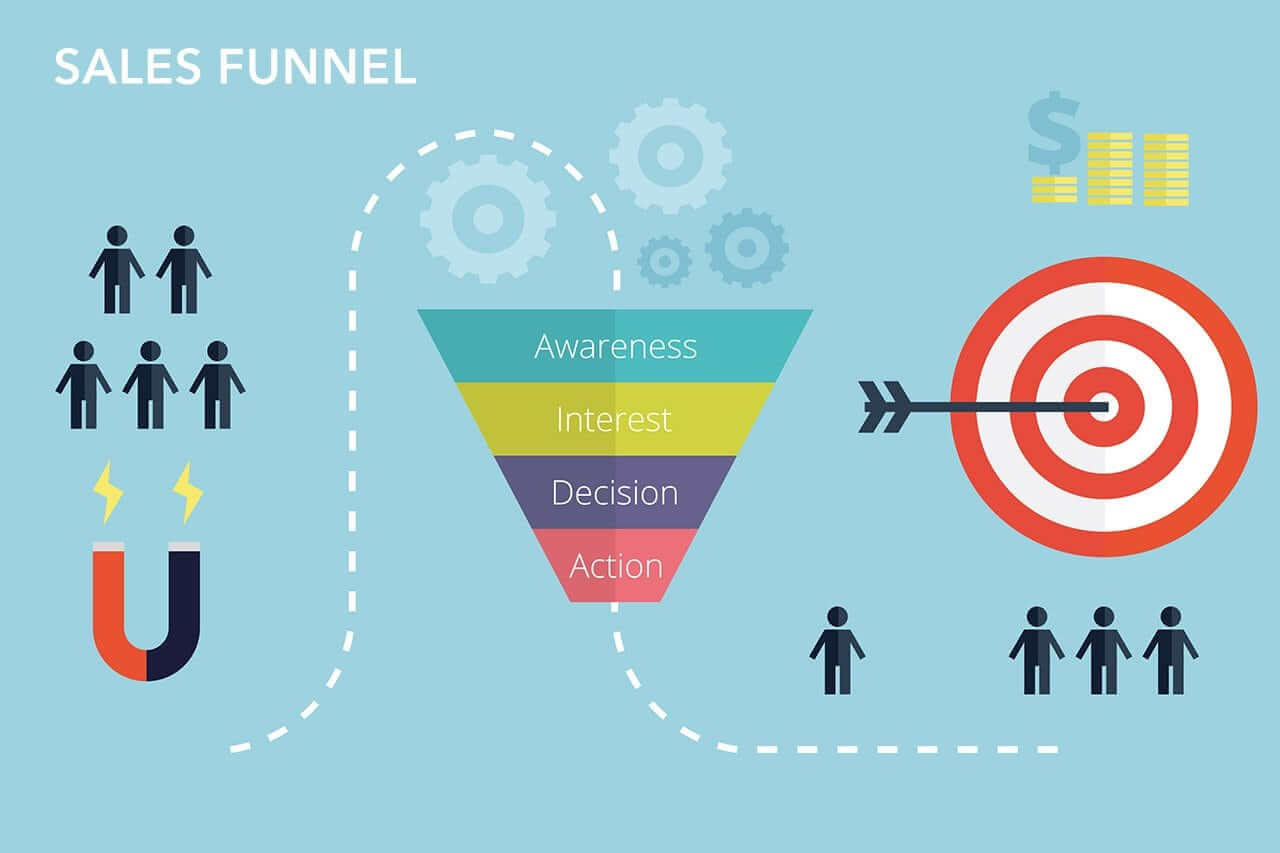
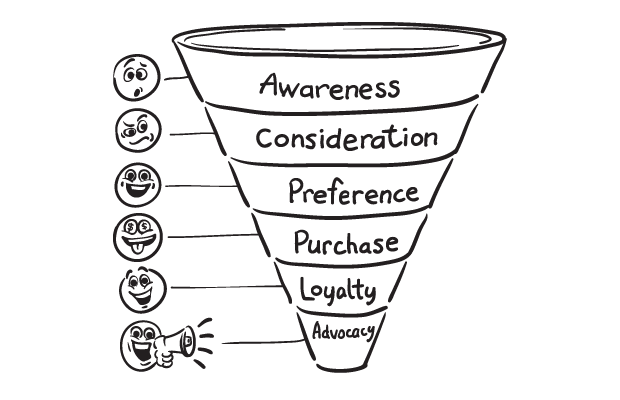
A sales funnel is simply a way of visualizing your prospects’ buying decisions at any given time. At the top of the funnel, many people are not yet ready to buy. They’re just starting to engage with your business. As they get further down the funnel, they become more interested in buying from you. Eventually, the most engaged people are funneled to the bottom of your funnel to become sales and repeat customers.

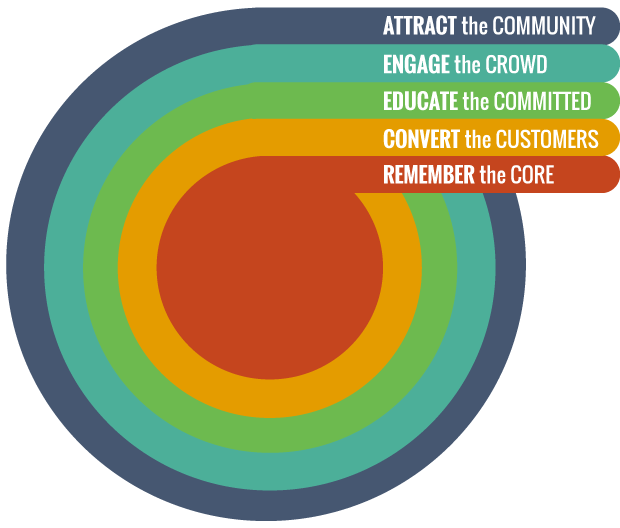
Sometimes, it’s easier to visualize the funnel stages by looking at an actual sales funnel chart.

In most sales funnel presentations, you’ll see a chart similar to the one above, but we think it’s easier to understand the funnel when you don’t use the buzz words for each stage.

A better way to visualize a sales funnel is by thinking of it as a ring where prospects move from the ring’s outer edge towards the inner edge of the ring as they become more familiar and engaged with your business.

You’ll get more leads at the beginning of the sales funnel than at the end. The actual number of prospects in your funnel will decrease the closer you get to a sale. This is natural.

Sales Funnel

Your conversion goals also change as the prospect moves through the sales funnel stages.

  1. Attract the community that is unfamiliar with your business.
  2. Engage those who now know you exist.
  3. Educate those committed to making a purchase.
  4. Convert customers who are ready to buy.
  5. Re-engage your core fans who have already made a purchase.

Too often, businesses attempt to sell their products or services immediately after meeting a potential customer. Instead, think of converting your customers into buyers by having them move through your sales funnel one step at a time.

Let’s look at each of the sales funnel stages and the marketing techniques you can use to increase conversions in each stage.

Step 1. Increase Conversions in the Awareness Stage

Your goal: Keep them coming back

Unless people know who you are, you can’t sell them anything. They won’t buy from you if they don’t trust you. You need to get your name out there and establish your business as an industry leader.

The most common awareness stage tactics for attracting new prospects and establishing an authoritative presence are:

1. Blogging

Internet marketing is not rocket science. Write about anything related to your product or industry. Don’t worry if your knowledge isn’t perfect.

For example, if you sell privacy fences, your site’s readership will likely be interested in backyard barbecues. Don’t create content that doesn’t match your product.

Publishing blog articles on your website will help your site be found in search engines. When prospective customers search for solutions, they can go to your website instead of your competitors.

2. Social Networking and Publishing

Consumers today rely on their social networks to find advice, referrals, and reviews. They expect a business’ Facebook page to be active and responsive to questions and comments on Facebook and Twitter. They look for tutorials and how-to videos on Pinterest and YouTube. They want to see a behind-the-scenes look at your business on Instagram. Social proof builds trust and increases conversions.

Social media can also indirectly influence your search engine rankings. For example, if you’re using Twitter to promote your products, people who follow you may see your tweets and click through to your site.

3. Pay Per Click Campaigns

Pay-Per-Click (PPC) campaigns allow you to pay websites for sharing your advertisement. You only pay when people click on your ad or when your ad appears on someone’s screen.

You should use PPC campaigns to drive traffic to landing pages where you’ll convert prospects by capturing their email addresses.

4. Traditional Public Relations

Don’t forget about old-fashioned public relations when trying to reach out to your customers. Even though print publications, television commercials, etc., can still be very effective, they’re not as effective as they used to be. It’s especially true when combined with email marketing.

A prospect may be technically offline, but with mobile phones always within reach, the opportunity for immediate action still exists. The SMS call to action in the television commercial below generated 52% of the total entries for the content, even though it ran in only 25% of the ads.

Step 2. Increase Conversions in the Consideration Stage

Your goal: Get their email address

Once someone has become familiar with your business, engage them. Encourage visitors to make small commitments to your business even before they’re ready to purchase.

The best way to do this is to offer a lead magnet that helps solve their problems in exchange for their email address.

A lead magnet is essentially a valuable bribe offered to visitors in exchange for their contact information. Small commitments like this build to larger ones, like ultimately purchasing your product.

5. Landing Pages

A landing page on your website with content that addresses one specific problem. Its purpose is to capture your prospect’s contact information or make a sale. It should include a single call to action.

Create a landing page to send your traffic to, and you’ll see b website conversion rates.

The landing page focuses solely on getting your reservation booked, without even the addition of site navigation that is present in the top right corner of their standard homepage.

A specific landing page and call to action are more relevant to the visitor’s needs than your homepage and are more likely to convert.

It also has ready-made landing page blocks specifically designed to help you generate leads and boost conversions like opt-in email forms, contact forms, testimonials, videos, CTA buttons, pricing tables, etc.

6. Calls to Action

For every page of the site, ask yourself, “what do I need this reader/visitor to do?” Do they want to schedule an appointment? Fill out the contact form? Download a paper? 

Decide the action you want your customer to take and add a clear call to action multiple times on the page.

Upgrading your content with multiple calls to action is a great way to offer multiple options for people to take action without displaying multiple opt-in forms. Upgrades are techniques you use to give your readers a chance to receive exclusive bonus content by signing up for your email newsletter.

You should provide a simple link or an opt-in form within your content to offer an upgrade. When someone clicks on that link or form, a page where they can choose to upgrade their account.

7. Forms

Contact forms or comment forms are accessible but often overlooked opportunities to add subscribers to your list. Many sales funnels end with a single call to action, leading to a form where people can sign up for a free trial. If they want to subscribe to your email list, include a subscription form on your contact page.

Step 3. Increase Conversions in the Preference Stage

Your goal: Pre-qualify the prospect.

Okay, you’ve got the attention of your prospect. Now what?

The next step is to educate them about your product or service. Customers have questions, and your job is to answer them.

You want to help prospects understand whether your product matches them, but you don’t want to lose sight of whether they’re a good match for you.

8. Email

You can begin to introduce yourself to potential clients and build trust by sending them an email. Automate emails to your subscribers with answers to the top 10 most often asked questions about your service, so they don’t have to ask them again. If you’re not already doing email marketing, this is an excellent way to get started.

9. Autoresponder Series and Drips

Drip marketing is an email marketing strategy that sends pre-written emails to customers or prospects. An autoresponder series is a powerful tool for moving a customer from the Crowd stage to the Committed stage.

10. CRM and Sales Integration

Customer relationship management (CRM) is software that helps companies track interactions with their customers. It’s a tool to help identify prospects in your sales funnel. Using cookies and retargeting cookies and retargeting, you can use your customer relationship management (CRM) system to identify which emails prospects should receive next.

Cookies let you use the information you already know about your customers to improve the content they receive from you and offer personalized offers. You use email marketing and CRM software to send personalized messages to existing customers and create special promotions for them.

Using cookie detection allows you to target any browser cookie to easily focus your campaigns and increase your conversion rate.

Step 4. Increase Conversions in the Purchase Stage

Your goal: Make the sale

It’s time to make the ask. The average customer needs to be offered the sale SEVEN times before they’re ready to purchase!

Give your customers clear opportunities to purchase and do it often.

You can make the sale by using these strategies:

11. eCommerce Promotion

If you’re selling a product, you have to consistently offer that product for purchase. Don’t assume that customers will find your checkout or figure out what to buy just because they’re visiting your website.

Make it easy for customers to find your products and services and optimize your checkout page by using online chat, offering free shipping, etc.

Send out emails to your email list with new products or special offers. Set up email marketing campaigns around holidays. Give them a reminder and an opportunity to buy your product by placing your product in their line of sight and making a clear call to action for them to click through. These simple techniques will help you increase sales immediately.

12. Targeted, Transactional Content

Many eCommerce platforms integrate with email marketing providers so you can email promotions to both prospects and existing customers.

Use that integration to send out automated emails to prospects who have reached their end of a drip campaign, offering them new products. You can offer free delivery to customers who abandoned their shopping carts without buying anything or discounts to customers who view a particular product several times before buying.

If you want to learn more about using your email marketing provider’s integration with your eCommerce platform.

13. Social Monitoring

Identifying keywords that relate to your brand can help you identify potential customers looking for your product.

Small change, significant results.

Step 5. Increase Conversions in the Loyalty Stage

Your Goal: Make a sale again

It is easier to get someone to buy from you than to convince them to switch to your brand. You’ve invested a lot of time and money into acquiring a core customer, so it would be a shame to let them go now.

Remember those who have already purchased by offering:

14. Referrals

Ask your customers if they know anyone else who would benefit from your product and offer a discount on their next purchase if they refer a prospect who becomes a customer.

Uber does a great job of this with its referral program. When you refer a friend, you and the friend get a free ride.

15. Resells

Resell existing customers the exact product they’ve already purchased. Many customers just need a gentle nudge in the right direction to re-purchase something they’ve already experienced.

16. Upsells and Cross-sells

Entice the customer to purchase more expensive items, packages, or add-ons during and after the sale. During the checkout process or as a follow-up email after the initial purchase, you can do this.

17. Reminders

Give your customers a helping hand by reminding them of important dates related to your product.

18. Gratitude

Don’t forget to simply say thank you!

Sending an email to a customer on the anniversary or birthday of their purchase thanking them for their business can go a long way toward building loyalty. Offering a coupon or freebie on that anniversary can go even further!

You can easily use intelligent tags to greet returning customers by their name or just show them a popup that includes the product they’ve added to their cart.

Intelligent Tags help you keep visitors engaged and, using the information you already have from your email marketing system, can show targeted cross-sells and upsells to boost revenue.

Wrapping Up

You now know more about your opportunities to convert visitors into leads and then into customers. Focus on making smaller conversions and walking your prospects through your sales funnel stages. You’ll not only improve your conversion rate, but you’ll likely create a much more engaged customer base.

We offer a range of services to give your business an online presence, allowing you to focus your time and energy on the rest of your company, contact us at MySalesScript.com.

The post How to increase your conversion rate: the complete guide appeared first on MySalesScript.


https://cdn.optinmonster.com/wp-content/uploads/2016/02/salesfunnel.png
https://www.mysalesscript.com/how-to-increase-your-conversion-rate-the-complete-guide/?utm_source=rss&utm_medium=rss&utm_campaign=how-to-increase-your-conversion-rate-the-complete-guide

Tuesday, 5 April 2022

Why Customer Retention is So Important for ROI, Customer Loyalty, and Growth

Why Customer Retention is So Important for ROI, Customer Loyalty, and Growth

After you’ve created a killer app and identified your target audience, company growth can take place — and you must devote just as many resources to keeping existing customers happy as you do to selling to new ones.

And that’s why your customer success team exists — to help customers see the value and achieve goals using the products or services you provide.

But there’s more than just answering their phone call and helping them onboard with the software. It’s about creating a process that fosters communication, builds trust, and promotes mutual growth.

Read this guide to discover everything there is to know about customer retention — from measuring it to fostering it with every new customer.

  • Customer Retention
  • Retention Rate Formula
  • Why is Customer Retention Important?
  • Customer Retention Rate by Industry
  • Customer Retention Management Strategies

Customer Retention

Customer retention is a company’s ability to retain its customers over time. It’s a percentage-based metric measuring how many customers were retained at the end of a given period.

Retention refers to the ability of companies to keep their customers happy. Customer retention depends on how many new customers you acquire and how many existing customers cancel their subscriptions, don’t return to buy, or close their contracts.

Before diving into specific ones, let’s go through some basic customer retention strategies.

What is customer retention management?

Retention management is keeping existing customers happy so that they continue buying from you long after they’ve bought from you. By encouraging these customers to stay loyal to your business, you encourage them to become repeat customers.

Who manages customer retention?

Customer retention is typically managed by customer success. Their job is to work with and please your customers throughout their business duration with your company.

Customer success teams should work directly with your customers, but they should also work with other teams within the company to improve customer retention.

Customer Success should help teams like Sales or Customer Service and Support (CS&S) – roles that have the potential for direct impact on retention – organize, manage, and enhance all aspects of the customer’s experience. This way, your whole business works together towards consistently increasing customer retention.

Customer retention is measured by customer churn rate — more on that later.

Customer Retention Formula

How To Calculate And Improve Your Customer Retention Rate

Customer retention rate is computed by dividing the number of customers acquired during the period by the total number of customers at the start of the period and multiplying the result by 100.

Before you begin to consider a retention strategy, understand your current customer retention rate.

Define a period, for example, “quarterly” or “yearly.” Then, follow this formula:

[ (# Customers at the end of the period — # Customers Acquired During Period) / # Customers at Start of Period] x 100

For example: If you had 20 customers at the beginning of the year, gained five new customers in the first three months, and lost one customer, then you’d be left with 14 customers.

[ (24 – 5) / 20 ) ] x 100 = 95% retention

Here’s another example: You have 44 customers, you gain 12 new customers, and 13 customers churn:

[ ( 43 – 12 ) / 44 )] x 100 = 70% retention

Once you know your conversion rate, consider analyzing your churned customers. Determine whether there are any commonalities among them. You might find that customers with a specific budget or company size are more likely to churn than others.

Why is customer retention necessary?

Customer retention measures both how successful a company is in acquiring new customers and how successful they are in keeping existing customers happy. It also increases ROIs, boosts loyalty, and attracts new customers.

It’s easier and cheaper to keep existing customers than acquire new ones. Returning customers spend more and frequently buy, referring their friends and family. Only a 5% increase in customer retention can increase company revenue by 25-95%.

The numbers don’t tell the whole story: retaining customers brings companies a ton of ROI.

There are a few reasons why customer retention is critical to company growth and success:

  • Affordability: It’s 6 to 7 times more expensive to acquire a new customer than to retain an existing customer.
  • ROI: A 5% increase in customer retention can increase company revenue by 25-95%.
  • Loyalty: Retained customers buy more often and spend more than newer customers. They’ve learned the value of a product or service and keep coming back repeatedly.
  • Referrals: Satisfied, loyal customers are more likely to sing a company’s praises and refer their friends and family — bringing in new customers, free of charge.

It may seem obvious that companies should strive to keep their customers. Still, when companies multiply and struggle to implement a strong customer support program, proactive support for existing customers can fall through the cracks.

Customer Retention Rate by Industry

According to this 2020 roundup of Statista’s industry retention rates, the average customer retention rate varies across industries. Those average rates are:

  • Retail: 63%
  • Banking: 75%
  • Telecom: 78%
  • IT: 81%
  • Insurance: 83%
  • Professional services: 84%
  • Media: 84%

Use the industry retention benchmarks above to assess whether or not you are meeting customer expectations.

When you dedicate time, resources, and creativity to improving your retention, your current customers will be delighted and want to continue doing business with you.

We’ll review strategies that will help you improve retention next.

Customer Retention Management: How to Improve Retention Rates

  1. Highlight case studies during the sales process.
  2. Set expectations early and often.
  3. Communicate results regularly.
  4. Create a roadmap for the future of the relationship.
  5. Make memories around your shared successes.
  6. Ask for feedback and act on this information.
  7. Map out a consistent customer experience.
  8. Create a customer relationship marketing strategy.
  9. Keep a record of communication and any past problems.
  10. Make sure that the customer has a relationship with the entire team.
  11. Use reciprocity to increase loyalty.
  12. Empower customers with the tools they need to succeed.

Let’s now take a look at some strategies for customer retention management.

1. Highlight case studies during the sales process

You should focus on determining whether your company and the prospect would be a good fit.

Show previous case studies that reveal your company’s style and approach to customer communication and collaboration. You could also use testimonials from current clients to tell them how much you partner with them.

It’s similar to researching any big buying decision. You want to know whether and how it will work for you before you buy it. If the customer understands this, they will be more likely to set realistic expectations and be happier with their experience once they sign up.

2. Set expectations early and often

If you don’t set expectations and communicate these clearly, customers can quickly become upset. They might believe that you can deliver on specific goals, but they’re only seen after months six or additional initiatives.

Furthermore, your customers come from very different industries. Some customers may feel that your prices are too high, so they expect an extremely high level of expertise and “white gloves” customer service. However, some customers may not care about your brand but want to collaborate with you.

It’s essential to understand the different perspectives and communicate them clearly, so everyone knows what to expect from each other. Will keep customers happy with the relationship longer.

3. Communicate results regularly

If your product or service provides results and ROI for your customers, they’re more likely to stick around. Suppose a customer can point out that your company has influenced or increased leads, MQLs, SQLs, lifetime value, customer retention, etc. In that case, it will be much more difficult for the customer to say goodbye.

That means you need to set up a sound system for tracking the metrics that matter to the customer, which should relate to the goals you’ve established together.

Share your progress with your team. Furthermore, use a project management tool so that the customer can easily track how far along the team has progressed on a project.

4. Create a roadmap for the future of the relationship

Many people compare the relationship between companies and their customers to people’s relationships. It’s especially true when you think about the lifecycle of dating, which involves ups and downs. At some point, someone in the relationship wants to be sure that this is going somewhere. They want to know what the plan for the future looks like, and they want to know when they’re going to get there.

It can be easy to get into a routine when working with clients. Everything goes well, you know what they want, and you understand what works. You may want to know that you’re working toward the next step with someone, but you shouldn’t expect that person to take the first step.

It’s not fun to keep doing the same thing repeatedly. And it’s easy for the user to wake up one day to realize how uninspired and unmotivated the company team is, so they leave.

Your customer success managers should create and revise a regular relationship roadmap. Build-in steps for initiatives and projects that both parties can look to and be excited about during the current and next stage of the relationship.

5. Make memories around your shared successes

It’s known that people tend to remember negative experiences. Even though there are more positive events than negative ones overall, the negative experiences may last longer and be shared by more people.

Customer success teams should consider how they can create more memorable experiences around positive and successful interactions with their customers. When something negative happens, the company team overly communicates about the problem, discusses plans for fixing it, and apologizes.

But, when something truly remarkable happens, how much emphasis do you place on the event?

6. Ask for feedback and act on this information

To understand why customers leave your company, you need first to understand why they joined your company in the first place. Once you know the causes and the correlating signs of customer churn, you can work to avoid customer churn by proactively addressing issues.

Ask for regular feedback throughout the entire customer team, especially from the decision-makers. Track trends using a customer feedback tool.

For example, if you track by project, you can see which projects are most important to your customers and focus on improving them. You can also ask for more qualitative feedback from your customers on what contributes to their dissatisfaction.

Identifying and addressing these issues as soon as they arise will help you to keep your customers happy. The voice of the customer is a powerful customer retention tool — so use it.

7. Map out a consistent customer experience

Consistent delivery builds trust with customers. They’re familiar with the project and rely on your staff to get the job done and deliver the needed results.

Without this, most customer interactions are surprised, which means customers don’t like surprises. Even though they may say, they want to partner up with a more innovative, fun, risk-seeking company.

Create customer onboarding processes and kick-off meetings to ensure a smooth customer experience. For example, you could set an agenda for a meeting, share that schedule with others, and follow up with people who didn’t attend. You could also create workflows around projects and share them.

By having a process for each of these activities, your team will be more efficient, and customers will gain insight into what needs to be done.

8. Create a customer relationship marketing strategy

Have you thought about what the communication from your business looks like once a customer has signed up? Yes, she emails, but how often do they hear from the new business head who convinced her to buy?

Consider creating a newsletter sent from your company’s CEO to keep everyone up to date on what’s going on at the company. If you want to be successful, think about your customers’ education and training needs. Come up with exciting ways to continue building up the credibility of your business’ brand with your customers.

9. Keep a record of communication and any past problems

Your company’s culture, leadership, and business practices contribute to retention. Still, another way to prevent disruption in personnel changes is by adopting a CRM where you can store notes from meetings and phone calls, ongoing issues, and personal preferences of the customers, etc.

A detailed record of the relationship between the customer and the company will help the customer success team become an expert at helping the customer.

10. Make sure that the customer has a relationship with the entire team

If the customer’s sole connection with the company is based on a single relationship, there’s a high risk of churn when employees leave the company.

It’s essential to keep in mind that this is a dangerous place for customer retention, so your company should set a goal that customers build long-term relationships with multiple team members.

Ensure that someone else who works for the company is present when you take pictures with customers.

11. Use reciprocity to increase loyalty

Reciprocity is a social construct that has been found to increase loyalty. Kindness creates an obligation in the person who feels obligated to repay the kindness.

There are two kinds of reciprocity: surprise reciprocity and trumpeted reciprocity. Both of these can increase customer loyalty.

Reciprocity is a surprise gift or gesture. For example, if your company sends over tickets to a game the day of, or if a goal is achieved earlier than expected, this is an example of a bonus.

Reciprocity is when someone gives or does something for you because they want something from you. It doesn’t mean that you need to put every great thing you do in a monthly sales report, but it is clear to the customer that what they are paying for is something different than what they would typically expect from the relationship. As simple as taking behind-the-scenes photos at a video shoot and memorably packaging them as a gift for the customer’s team.

12. Empower customers with the tools they need to succeed

Nobody likes to wait around for support or assistance. We don’t want to spend our time searching for answers to questions we could quickly get answered by someone else. Instead of waiting for customers to contact you for help, give them the tools and resources they might need to succeed.

There are many ways you can empower your customers to help themselves and find the kind of support they need. You could send emails or newsletters with tutorial content covering details about your company or its latest features. You may also share links to your blog posts to help others accomplish their specific business goals.

Improve Your Customer Retention

Ready to get started making your customers happy to improve your company’s outcomes? Keep track of your business’ retention rates to see how you’re doing. If you want to improve your retention rate, follow the customer retention management strategies discussed.

The post Why Customer Retention is So Important for ROI, Customer Loyalty, and Growth appeared first on MySalesScript.


https://cdn.snov.io/blog/wp-content/uploads/2022/03/Background455.png
https://www.mysalesscript.com/why-customer-retention-is-so-important-for-roi-customer-loyalty-and-growth/?utm_source=rss&utm_medium=rss&utm_campaign=why-customer-retention-is-so-important-for-roi-customer-loyalty-and-growth

What are the steps to create a successful Google AdWords campaign?

What are the steps to create a successful Google AdWords campaign? Starting a brand-new Google AdWords campaign is a fantastic process. Ex...