Sunday, 21 May 2023

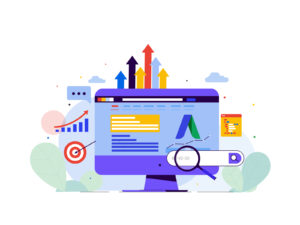
What are the steps to create a successful Google AdWords campaign?

What are the steps to create a successful Google AdWords campaign?

Starting a brand-new Google AdWords campaign is a fantastic process. Excitement, hope, stress, anxiety, and concern are the emotions that enter your mind when you click a button to activate a new campaign.

You could be worried that you’ll fail if you’re beginning.

Google Ads (previously Google AdWords) is one of the ideal resources for acquiring brand-new consumers if established and taken care of correctly.

Let’s obtain down to the company. Please put on your AdWords apron, get your notes, and write down the crucial actions to a successful Google AdWords project, and adhere along as I guide you through how to create a profitable Google AdWords campaign from square one.

Step 1: Gain an understanding of the purpose behind advertisements.

Before spending a solitary dollar on an advertising campaign, it’s necessary to comprehend its negative aspects and advantages. Marketing is excellent for supplying highly targeted, fast, and quantifiable outcomes, well-matched for list building and sales.

On the other hand, advertising requires a recurring and significant financial investment, and you have to pay for every impression or click. This usually is not a cost-effective way of raising brand awareness. This is because brand name awareness is hard to gauge on advertising platforms and becomes much more difficult.

When developing your project, consider the strengths and weaknesses of the platform and leave brand understanding to other advertising and marketing projects.

Step 2: The customer’s requirements.

Search ads won’t benefit you if your consumers aren’t searching for your services or products on Google AdWords.

So before you are thrilled about constructing your initial campaign, you need to make sure there is a great deal of look for what you need to use.

I also advise using the “recommended” search phrases from the primary form. This will give you a concept of the relevant keyword phrases and the search volume.

You can likewise use Google’s Keyword Planner tool to aid you in locating the very best keyword phrases to target. It will provide proposals and estimates for all searches to create a plan.

Step 3: Focus on one target at a time! Set a precise goal for each campaign and don’t mix and match.

It’s easy to be highly ambitious in your ad campaign, specifically if you intend to invest a large portion of your marketing spending plan. It would certainly be best to pick a particular goal for each campaign. Doing so will substantially improve your project’s ROI

Step 4: Create a webpage designed to generate clicks from advertisements.

The biggest and most common error businesses start in marketing make is directing website traffic from paid advertisements to the front page of their website. Frequently, these businesses invest in advertising and marketing, discover they are not obtaining any results, and abandon the advertisements as a waste.

In truth, the homepage is a dreadful place to route website traffic. Think of it by doing this: customers search for something when they search. If you’re directing them to your site, which possibly has at least a lot of various articles and choices, you’re simply squandering their time (and money).

Touchdown web pages should always be single-targeted. Instead, it would aid in producing targeted landing pages that directly address the question the individual entered on Google. Have a single conversion goal and a clear path to achieve that objective.

Step 5: Offer an attractive deal.

What can you use in your AdWords campaign that is so compelling that your leads would be absurd not to act? What strategies can make your ad stand out among other search engine results?

Your potential customers may be hesitant if you make a deal that appears too great to be authentic. You need to provide a valid factor for your offer.

For instance, if you’re promoting a special offer, you must describe why you supply such a significant discount. The reason can be anything: clearance, year-end sale, anniversary, new shop opening, your birthday celebration, and so on.

Step 6: Verify if there are positive gains.

You establish specific goals when you launch your campaign. As soon as the project has begun, check to see if you are undoubtedly attaining a favorable return on investment in the following areas.

The calculation is basic. Take the amount you pay per click and increase it by the percentage of clicks that convert. Compare this price to any profit design, from single-product productivity to estimating the lifetime value of your clients.

How to utilize big information analytics to improve marketing ROI?

Step 7: The process involves testing and examining multiple times.

The work with a marketing and advertising campaign never finishes. Once it’s launched, you’ll want to make further changes. Try making minor changes to your advertisement message, keyword phrases, landing web pages, and anything else you can think about to see what works and what doesn’t. You can also take a Google Ads training course or discover and work with an agency just how to achieve the most out of it.

Also, a slight rise in ROI can make a massive difference over time, so keep at it.

Step 8: Make sure that your touchdown web pages are optimized.

The objective isn’t to create an ad that a person will certainly click. Instead, the goal is to develop an ad that somebody clicks on and then discovers the item or information they seek.

Your deal “40% off cleaning agents product/conditioner!” can be utilized to attract the focus of parrot lovers. They will undoubtedly leave if they only find a cockatoo conditioner when they visit your website.

Excessive Time on My Hands This trickery will undoubtedly harm your sales and your Google Ad Quality Score, triggering you to decrease rankings.

Enhance your touchdown web pages and increase your conversion prices with specific deals.

Step 9: Automation.

Automation techniques such as intelligent bidding and receptive search ads optimize conversions. While an expert system can’t establish a superb advertisement approach for you, artificial intelligence can aid you in boosting or decreasing quotes.

Automation considers everything from channel phases to significance, keyword phrases, and competitors.

After that, ensure you increase quotes when your advertisements have the best opportunity of success or decrease them when your rivals have a possibility of winning so you do not squander valuable time and money.

Conclusion

If you wish to ensure your campaigns are successful, you must change the web content of your advertisements. Mainly, ensure you change your advertisement duplicate to something different from your other ads. While you might have discovered a successful marketing campaign, there’s nothing wrong with transforming the copy into something more unique and memorable. Reading the Google AdWords guidelines before transforming your advertisement duplicate would be best.

There are various techniques to achieve the success of your advertisements, consisting of records on the number of clicks in your advertisement. When it concerns tracking the progress of your advertising campaign, you’ll wish to find a method to monitor its progression. You’ll also need to see that you’re tracking where your website visitors originate from guaranteeing your search phrases are appropriately used in your advertisements.

Nonetheless, you can make more money from AdWords campaigns by purchasing advertisement room and must be careful when positioning ads on your website. When they click on them, it would be best to ensure that the ads’ content is appropriate and that site visitors feel good. The additional idea is to ensure that you are not advertising services or products not pertinent to your site to raise your click-through rate.

Enjoyed the tips? For more, please visit My sales script.

For the best sales script templates, visit My Sales Script – Adwords Ads.

The post What are the steps to create a successful Google AdWords campaign? appeared first on MySalesScript.


https://www.mysalesscript.com/wp-content/uploads/2023/05/Step-1.-Gain-an-understanding-of-the-purpose-behind-advertisements-300x225.jpg
https://www.mysalesscript.com/how-to-create-a-profitable-google-adwords-campaign/?utm_source=rss&utm_medium=rss&utm_campaign=how-to-create-a-profitable-google-adwords-campaign

Monday, 15 May 2023

12 tips for writing catchy email subject lines that get clicks

12 tips for writing catchy email subject lines that get clicks

Almost 64% of recipients open their emails based on the subject line. The first impression is the last impact, besides! Fret no more because your look for appealing email topic lines finishes here! 

Writing catchy email subject lines is an integral part of the perfect email. A catchy email subject line can be why someone opens your When it comes to emails, the subject line is the first thing individuals see. To make it appealing, keep a few points in mind. Particular words in the subject line could set off spam filters and prevent your email from getting to the recipient’s inbox. It’s essential to consider your email advertising goals and target market when crafting the subject line.

You can discover more info here to learn more about composing catchy subject lines for email advertising.

What is a cold call?

A cold call email is a customized, personalized message sent to someone you don’t know. You aim to engage that person in a business-related conversation rather than promoting a product or service to the masses. For this factor, your subject line needs to stand apart and also obtain the possibility to open your email.

Cold emailing is the email version of cold calls. It differs from sending transactional and cozy emails and is a subcategory of email marketing.

Why are email subject lines so essential?

Equally, as you are drawn to the title of a book and begin reading it, the subject line of your email identifies whether or not the recipient will undoubtedly read it. Your subject line must be crafted to make the recipient want to review the email to get higher open rates.

Without a well-worded subject line, your email will most likely end up in the trash because people receive tons of emails daily. You must stand out from the clutter and make your email stand out, which can be done with your email subject line alone.

Subject line data: Choose your words wisely

Most individuals swiftly skim the subject lines in their inbox before deciding which messages deserve their time and attention. With a lot of stress on the subject line to draw in prospective viewers, we believed it would be interesting to see what distinction a single word can make in a project’s open rate and which words can aid your general email advertising technique in enhancing available prices.

To get some answers, we studied about 24 billion delivered emails with subject lines that consisted of about 22,000 different words. You’re right if you think that sounds like a lot of data. We took a look at subject lines both in general and also within details sectors. Right here’s a brief review of our standards and method:

  • Examine campaigns sent by users in the US with tracking enabled in the last year. Include only campaigns sent to 500 or more recipients and only by users who have previously sent ten or more campaigns.
  • Calculate the open rate for each campaign and standardize it based on the average user/list open rate and standard deviation.
  • Remove special characters and convert subject lines to lowercase. For a given word, average the performance of all associated subject lines and run t-tests to identify high-impact words.
  • Create flags for the presence of high-impact words for each subject line tested. Execute connection analysis for the existence of words to determine which words are regularly used with each other. Develop added flags for regularly utilized word combinations.
  • Perform a linear regression evaluation to estimate how each word affects the campaign’s standardized open rates when all other tested words are considered. Repeat this process with industry-specific data sets.
  • The numbers below are standard deviations from the mean open rate for a user/list. Words with positive impact resulted in higher open rates, while words with negative impact decreased the same rates.

Results for comparable groups of words

The regression analysis results suggest that similar words often have similar effects on open rates. That makes sense. Still, choosing the right words can lead to higher open rates and keep the bottom line of your message the same. To interpret these results, it’s essential to know that a standard deviation is a standardized measure of how much something differs from the average. A standard deviation for a user with large fluctuations in open rates is a higher percentage than someone with consistent open rates. That means a clever choice of words will significantly impact open rates for those with a higher standard deviation. In contrast, users with constant open rates can expect more minor changes.

What makes a good email subject line?

Before our tips, let’s discuss some basic things about a good subject line. Regardless of your goals, your subject line should contain the following essential elements:

1. Urgency

280+ Sense Of Urgency Illustrations, Royalty-Free Vector Graphics & Clip Art - iStock | Urgent, Teamwork, Speed

A feeling of necessity is an efficient method to obtain individuals to do something about it. You can strategically develop a comparable impact in your subject lines.

If you include a known beginning and end date for a special sale or promotion, visitors scrolling through their inbox will click on it to see what they can enter that time structure. That is also an excellent practice if you’re counting down the time home window in a tiny series of emailsoffered you don’t flood the inbox and discover it as spammy.

2. Curiosity

38,000+ Curious Illustrations, Royalty-Free Vector Graphics & Clip Art - iStock | Curious cat, Curious child, Wonder

Subject lines sometimes work because they convey, “You will benefit from opening this email.” However, sometimes it’s good to maintain a certain level of mystery – especially if it piques the recipient’s curiosity and interest. Because they prompt opening the email to get more information, they can lead to a higher open rate. However, make sure that the subject line, while mysterious, still fits your brand. If it’s too obscure, it could be considered spam.

3. Offers

260+ Whats New Illustrations, Royalty-Free Vector Graphics & Clip Art - iStock | New product, New icon, Whats new at work

That is where the benefit of opening a specific email comes into play. After all, people love new things and experiences – especially if they’re free or at least discounted. Open with it by including it in your subject line. I’m much more likely to open my daily newsletters if I directly mention an offer or a reference to “free stuff” in my inbox.

4. Customization

5,661,300+ Subject Line Illustrations, Royalty-Free Vector Graphics & Clip Art - iStock | Subject line icon, Email subject line, Subject line matters

No one email customer coincides – as well as often, the emails you send to them should be different. These days, marketers have never had many opportunities to learn about their subscribers’ preferences, professions, or general likes and dislikes. So if you send them content occasionally, tailor it to that person.

5. Personalization

780+ Personalization Logo Illustrations, Royalty-Free Vector Graphics & Clip Art - iStock

When we subscribe to an email list, we want to be updated or learn more about a particular topic (more on that later). Just as you pique your audience’s curiosity, email subject lines that include hot topics or headlines can construct your brand as an authority in your market – and obtain individuals to click to read.

6. Brand awareness

213,400+ Brand Identity Illustrations, Royalty-Free Vector Graphics & Clip Art - iStock | Brand identity mockup, Brand identity concept, Brand identity template

Let’s face it: We all know famous people we admire or have admired. And suppose you recognize your target market’s choices in addition to the interest rate. In that case, you can stimulate their interest rate by including the names of these admired, famous people in your content – and mentioning them in the subject lines of your emails. But beware. This tactic only works if it aligns with your brand, product, or service. So make sure the mention is relevant and not just for recognition purposes.

7. Cool stories

40+ Classic Short Stories Illustrations, Royalty-Free Vector Graphics & Clip Art - iStock

At the hazard of sounding like a broken record, this is another point where inquisitiveness enters into play. If you include a clear intimation to a tale in the subject line of your emailwhich can only be read if people open it or click on it – your audience will likely be interested and want to know more. Once again, make sure the story is relevant to your brand. Or else it can perplex your readers and inhibit them from opening the email.

Now allow’s move on to the tried as well as examined pointers and also tricks that can assist you in composing click-worthy subject lines,

Tips for writing catchy email subject lines for sales

1. Keep it short

The length of your email subject line is essential. Remember that the excellent length of an email subject line varies for mobile, desktop, and tablet systems. Remembering that when creating the perfect one-liner for your sales email would be fantastic. The maximum length of an email subject line is usually 60 characters before it gets truncated. Limiting the length to 41 characters will ensure your subject line is fully displayed on all devices.

2. Use personalization

Personalizing the subject line with the prospect’s name is a good idea. People choose to connect with people rather than big brands and companies. According to Stats, 74 percent of marketers say email personalization leads to a 20 percent increase in revenue.

Use your email address or alias with your first name rather than a generic address like sales@imsellingtoyou.com to look credible.

3. Make it exciting

We’ve all listened to the guidance concerning not judging a book by its cover. However, that does not put on the sales email subject lines. Before viewers reach your email, they require to check out the subject line first and are also required to be engaging.

Making the subject lines of your introductory emails unforgettable needs numerous things. You can begin the discussion by mentioning the following:

  • Recent growth in their industry
  • A brand-new item of information concerning their industry
  •  A question regarding a project they just started or completed
  • A request for their help

These points of view have one thing in common: It’s always about the prospect. You’ll have many chances to market your product in the email body and on succeeding calls. The primary objective of your subject line is to tempt the viewers to click through, read more, and decide if they are interested enough to respond or take action.

4. Offer value

Providing your leads with something of value in your email is the best way to develop a link. That could be a downloadable resource, such as an electronic book or whitepaper, that is relevant to them. If you state it in the subject line, the prospect will certainly want to open your email, and that’s your objective.

5. Create a feeling of urgency

Since time level of sensitivity is a popular filter that most of us use to prioritize our inboxes, it’s evident that our prospects also use it. Even if your potential customer isn’t interested in making a purchase right now, knowing they might miss the opportunity will make them want to close the deal faster. Here’s how a limited-time promotion works. It’s a proven strategy to open and read your emails urgently, but only sometimes rely on it. You could only annoy your customers if you use this tactic sparingly.

6. Avoid clickbait

Don’t write subject lines that don’t match the content of the email, product, or service, and annoy your potential customer. Such subject lines will not be opened.

If you make big claims in the subject line that are not part of the content of the email, it could leave a bitter taste in your customer’s mouth. Worse, the prospect might classify you as spam. Examine your subject line against our final list of spam sets off to prevent an additional degree of trust.

7. Include keywords

Keywords are another element that potential customers use to organize and filter their inboxes. If you include specific keywords in the subject line of your email, you can make it into the potential customer’s inbox and review it later. Doing this lets you learn which keyword phrases influence your open rate more than others. There’s no magic trick to figuring out what filters and rules your prospects are using. It would be great if you were imaginative and did A/B testing.

8. Build an authentic connection

Make the recipient feel you genuinely want to help them by using your product and services. A compliment or mention of an event you both attended could be an example. The best sales emails build a genuine connection rather than aiming to close the transaction as quickly as possible. Only use limited-time offers if you’re doing large, low-value transactions, which is often the case in B2C e-commerce.

Example 1: [Name], meeting you at [event you both attended] was nice!

Example 2: Are you interested in [product/service]?

Doesn’t example 1 look better than example 2?

9. Stay conversational

If your email is too formal, cold, and business-like, the prospect may not show interest. So avoid sounding like a traditional email marketing message, and don’t be too formal. A little looseness might appeal to you and make your email seem friendlier. However, it would be great if you weren’t too casual with the prospect. Some sales teams have successfully used emojis in subject lines, but be sure to do the same for your audience. The simple “Quick Question” subject line is the easiest and still works on every occasion.

Can we talk about [company/your products/services, etc.]?” is better than “How are you doing, [Name]? Call me if you’re interested in [product/service].”

10. Ask open-ended questions

Sales questions are essential, whether you’re trying to make the customer feel useful by asking for facts or getting them to analyze their needs and wants. Questions can pique a person’s curiosity and get them to open an email. Why is that? The brain is stimulated when a question is asked, and that’s why asking a question is a good tactic. You can push a potential customer down the sales funnel.

Good example: What does [the department] [of the company] need?

Not so good example: our [product/service] is what you need.

11. Experiment a little

You’ll need to experiment to find a subject line that functions, which may take some time. Once you have discovered a subject line that works, it doesn’t suggest you can sit back and kick back. You still need to A/B test with different subject lines. Over time, you’ll understand which subject lines work well so you can use them most often.

12. Use persuasive words

Words have tremendous power as they can strongly influence the recipient. Certain words entice the recipient to open an email. Humans are emotional and curious creatures and cannot control themselves. If you use certain persuasive words, potential customers cannot stop themselves from opening your email.

Words like “amazing,” “forbidden,” “insane,” “unique,” and “secret” arouse curiosity, while words like “best,” “certified,” “recommended,” and “expert” help build trust.

What should you use and avoid in subject lines?

While you’ve seen how to create memorable subject lines, knowing which keywords get the most opens would be helpful. Have a look at what you can include:

Recipient’s Name or Company: Personalized subject lines double the open rate, which is a valid reason to go the extra mile. Nonetheless, lets you personalize email subject lines on a large scale with minimal effort.

Daily” or “Weekly”:  These words are mighty, and you can utilize them when you state a target in the subject line.

Alert: If you use this word, you will achieve better open rates.

News: You can expect more clicks if the word “news” appears.

Apart from knowing the most encouraging words, you should also know the strictly forbidden ones. Here is a list of them,

Free: This word is often overused and looks like spam.

Earn: This word is used for money-making (and is sometimes fraudulent), and the spam filter will hold back such an email.

Bonus: Avoid using currency symbols, as ESP will classify them as spam.

Get ready to attract prospects with catchy subject lines for sales emails.

Your subject line is the initial thing that captures the prospect’s eye. Trends appear and disappear, just like in fashion. If you invest more time in it, you can accomplish a lot. Notably, best practices for developing effective subject lines for cold call emails evolve. The problem is that more than a one-size-fits-all solution works in the long run.

You’ll be disappointed if you wish for the best subject lineup for sale emails that constantly say “jobs.” For example, a technique that functioned a few months ago may not work today.

Frequently asked questions

How do you create a catchy subject line?

Composing a catchy email subject line involves taking advantage of your tiny area. As a general rule, maintain your subject line to less than 40 personalities to ensure the whole subject line is presented. You can likewise ask flexible inquiries in your subject line to stimulate the reader’s interest rate. Naturally, avoiding words that could cause spam filters, including uppercase, marketing language, and several exclamation points, would be best.

What are some excellent subject lines?

According to tests, here are some of the best email subject lines the company has used:

I was right – and it’s not good for you

13 Email marketing trends you need to know about

Before you create another blog post, read this

Are we still at 12?

You don’t want FOMO, do you?

We’ll start in 5 HOURS.

Notice that these catchy email subject lines are open-ended. When people read these subject lines, they wonder what the email could be about, which makes them want to open it and investigate further. Remember that your topic lines can differ significantly from these instances.

How do you get attention in an email?

If you want to get your audience’s focus in an email, begin with a short movie line that specifies. You can establish a sense of urgency by discussing an event or the date a sale finishes. Customizing your emails will make recipients feel you’re not simply sending an email to promote your brand or product.

There are lots of little techniques you can utilize to compose attention-grabbing emails. Please ensure you add value to your emails and review, test, and rewrite them to determine what works best for your brand.

Catch more clicks with catchy subject lines

If your e-mails aren’t being opened, they aren’t being seen. We hope you can use our tips to develop creative and engaging subject lines for your e-mails. You already have amazing content to share – now prove it in your subject line.

Hopefully, we’ve provided you with the details you need to make an Email Subject Lines that will dazzle you.

Did you enjoy the post? Fast-track implementation by purchasing our Email Subject Lines template so you can skyrocket conversions.

The post 12 tips for writing catchy email subject lines that get clicks appeared first on MySalesScript.


https://media.istockphoto.com/id/1441921309/vector/time-management-techniques-manage-time-for-rush-businessman-running-on-group-of-time-clocks.jpg?s=612x612&w=0&k=20&c=YW3Ai4fsrYMJeaqJdJHyAu9dw8WznluRRbhtpjR-mQM=
https://www.mysalesscript.com/12-tips-for-writing-catchy-email-subject-lines-that-get-clicks/?utm_source=rss&utm_medium=rss&utm_campaign=12-tips-for-writing-catchy-email-subject-lines-that-get-clicks

Monday, 17 April 2023

Why Your Website Isn’t Making Any Sales and How to get out of a sales slump

Why Your Website Isn’t Making Any Sales and How to get out of a sales slump

A sales slump is a period of time when your website’s revenue decreases significantly. It’s a frustrating and often confusing experience for website owners who are trying to grow their businesses.

A sales slump can happen for a variety of reasons, including changes in market conditions, increased competition, and a lack of marketing efforts.

During a sales slump, your website’s revenue may drop for several weeks, months, or even years. As a result, you may find yourself struggling to make ends meet or wondering how you can revive your website’s revenue.

The good news is that there are steps you can take to overcome a sales slump and get your website’s sales back on track.
One of the first things you should do when you notice a sales slump is to analyze your website’s traffic and conversion rates.

  • Are you getting fewer visitors to your site?
  • Are your conversion rates dropping?

If so, it’s time to take a closer look at your website’s design, content, and marketing strategies.

Sales drop Stock Photos, Royalty Free Sales drop Images | Depositphotos
Another common reason for a sales slump is increased competition. If you’re competing against larger, more established websites, it can be challenging to attract and retain customers.

In this case, it’s important to focus on what makes your website unique and different from your competitors. You may need to adjust your marketing strategies or add new products or services to your website to stand out.
Finally, a lack of marketing efforts can also contribute to a sales slump. If you’re not actively promoting your website, you may be missing out on potential customers.

To overcome this, consider investing in paid advertising, social media marketing, or other forms of online marketing to increase your website’s visibility and attract new customers.
In conclusion, a sales slump can be a frustrating experience for website owners, but it’s not a death sentence for your business.

By analyzing your website’s traffic and conversion rates, focusing on what makes your website unique, and investing in marketing efforts, you can overcome a sales slump and revive your website’s revenue.

The Importance of Revenue for a Website

Revenue is the lifeblood of any website. Without it, a website cannot sustain itself or grow. Revenue is what allows a website to invest in new content, marketing, and technology that will attract more visitors and generate even more revenue. Every website owner should understand the importance of revenue and how to maximize it.
Revenue is what allows a website to stay alive and relevant. It is what pays for hosting, maintenance, and development costs. A website that does not generate enough revenue will eventually become outdated and irrelevant. This is why it is crucial to focus on revenue generation from the very beginning.
There are many ways to generate revenue from a website. The most common is through advertising. Websites can sell ad space to advertisers who want to reach their audience.

Another way is through affiliate marketing. Websites can promote products or services and earn a commission for every sale made through their referral.
18 Ways to Make More Money From Your Website Traffic

E-commerce is another option, where websites can sell their own products or services directly to customers.
Whatever the method used, it is important to focus on revenue generation.

This means understanding your audience, creating engaging content, and promoting your website effectively.

A website that generates revenue is one that has a loyal audience that trusts and values the content being offered.
Revenue is not just important for the survival of a website; it is also important for its growth.

A website that generates revenue can invest in new content, marketing, and technology to attract even more visitors and generate even more revenue. This creates a cycle of growth that allows a website to stay relevant and competitive.
In conclusion, revenue is the lifeblood of any website. It is what allows a website to sustain itself and grow. Every website owner should understand the importance of revenue and how to maximize it.

By focusing on revenue generation, a website can stay relevant and competitive in today’s fast-paced digital world.

The purpose of this guide

The purpose of this guide is to help those who are struggling to make sales on their website. It’s a common problem that many business owners face, and it can be frustrating and discouraging when you’re not seeing the results you were hoping for.
In this guide, we’ll be exploring the reasons why your website may not be making any sales and providing actionable steps to help you turn things around.

We’ll cover everything from website design and user experience to marketing and customer service.
Our goal is to provide you with the knowledge and tools you need to revive your website’s revenue and start seeing the sales you deserve.

We understand that every business is unique, so we’ve designed this guide to be adaptable to a variety of niches and industries.
Whether you’re a small business owner or a marketing professional, this guide is for you. We’ll be sharing insights and strategies that have been proven to work in a variety of settings, so you can be confident that you’re getting the best advice possible.
We believe that every website has the potential to be successful, and we want to help you unlock that potential.

By following the advice in this guide, you’ll be able to identify the areas where your website is falling short and make the necessary changes to start generating more sales.
So if you’re ready to take your website to the next level and start seeing the revenue you’ve been dreaming of, then let’s get started!

Identifying Your Target Audience

One of the most important steps in reviving your website’s revenue is identifying your target audience. Without a clear understanding of who your ideal customer is, it will be difficult to create a marketing strategy that resonates with them.
To begin,

  • you can start by creating buyer personas. These fictional representations of your ideal customers help you understand their needs, wants, and pain points.
  • You can create these personas by conducting market research, analyzing your website’s analytics, and surveying your existing customers.
  • Once you have a clear understanding of your target audience, you can tailor your marketing messages to speak directly to their needs.
  • For example, if you sell athletic gear, you might target active individuals who are interested in fitness and health. Your marketing messages might focus on the benefits of your products for improving performance and reducing injuries.

In addition to creating buyer personas, you can use data analytics to further refine your understanding of your target audience. By analyzing metrics such as demographics, behavior, and interests, you can gain insights into what types of content and messaging resonate with your audience.

It’s also important to remember that your target audience may evolve over time. As your business grows and changes, your ideal customer may shift. It’s important to continue to conduct market research and analyze your website’s analytics to stay up-to-date on your target audience’s needs.

By identifying your target audience and tailoring your marketing messages to their needs, you can create a more effective marketing strategy that drives revenue for your website.

Don’t be afraid to experiment and try new approaches – with the right strategy, you can turn your sales slump around and build a thriving online business.

Analyzing consumer behavior

Sales decline Stock Photos, Royalty Free Sales decline Images | Depositphotos

In order to revive your website’s revenue, it is important to understand the behavior of your consumers. Consumers are not just random people who happen to stumble upon your website, they are individuals with specific needs and wants.

By analyzing consumer behavior, you can gain insights into what drives their decision-making process and how you can tailor your website to meet their needs.
One of the key aspects of analyzing consumer behavior is understanding their purchasing habits. Consumers tend to follow a specific pattern when it comes to making purchases, and by understanding this pattern, you can create a website that caters to their needs.

For example, if your consumers tend to make impulse purchases, then you may want to highlight your best-selling products or offer limited-time promotions to encourage them to make a purchase.
Another important aspect of analyzing consumer behavior is understanding their motivations.

Consumers are motivated by a variety of factors, such as price, quality, convenience, and brand loyalty. By understanding what motivates your consumers, you can create a website that addresses their concerns and meets their expectations.
In addition to understanding their purchasing habits and motivations, it is also important to analyze consumer feedback.

This can be done through surveys or by analyzing customer reviews. By listening to your consumers, you can gain valuable insights into what they like and dislike about your website, and use this information to make improvements.
Ultimately, analyzing consumer behavior is a key component of reviving your website’s revenue. By understanding your consumers’ purchasing habits, motivations, and feedback, you can create a website that meets their needs and encourages them to make a purchase.

With the right approach, you can turn your website into a revenue-generating machine that attracts and retains loyal customers.

Crafting a buyer persona

One of the most common mistakes businesses make is thinking that they can sell their products or services to everyone. This couldn’t be further from the truth.

The reality is that not everyone is interested in what you have to offer, and if you try to sell to everyone, you’ll end up selling to no one. This is where buyer personas come in.
A buyer persona is a semi-fictional representation of your ideal customer. It helps you understand who your customers are, what they want, and how to communicate with them effectively.

By creating a buyer persona, you can tailor your marketing efforts to the people who are most likely to buy from you.
Here’s how to craft a buyer persona:

1. Research your customers: The first step in creating a buyer persona is to research your current customers. Look at your website analytics, customer feedback, and any other data you have available. Use this information to identify patterns and trends in your customer base.
2. Identify common traits: Once you have gathered your data, identify the common traits that your customers share. This could include demographic information, interests, or pain points.
3. Create a persona: Based on the information you have gathered, create a semi-fictional representation of your ideal customer. Give them a name, age, job title, and any other relevant details that will help you understand who they are.
4. Use your persona: Once you have created your buyer persona, use it to guide your marketing efforts. Tailor your messaging, advertising, and content to speak directly to your ideal customer. Doing so will attract more of the right people to your website and increase your chances of making a sale.
Remember, crafting a buyer persona is not a one-time task.

Your customers’ needs and preferences will change over time, so it’s important to revisit your persona periodically to ensure that it still accurately represents your ideal customer.

The Sales Funnel

The stages of the sales funnel

The sales funnel is a crucial aspect of any business that wants to make profits. It is a process that helps convert potential customers into paying clients. Understanding the stages of the sales funnel is essential for any business that wants to increase its sales revenue. In this blog, we will discuss the four stages of the sales funnel.

1. Awareness

The first stage of the sales funnel is awareness. At this stage, potential customers become aware of your product or service. They may find out about your business through social media, advertisements, or a referral from a friend. The goal at this stage is to create brand awareness and make a good first impression.

2. Interest

The second stage of the sales funnel is interesting. At this stage, potential customers are interested in your product or service. They may visit your website, read blog posts, and watch videos. The goal at this stage is to keep potential customers engaged and interested in your business.

3. Decision

The third stage of the sales funnel is the decision. At this stage, potential customers are ready to make a decision. They may ask for a quote, request more information, or sign up for a trial. The goal at this stage is to provide potential customers with all the information they need to make an informed decision.

4. Action

The fourth and final stage of the sales funnel is action. At this stage, potential customers become paying clients. They may purchase your product or service, sign up for a subscription, or make a donation. The goal at this stage is to make the purchase process as easy and seamless as possible.
In conclusion, understanding the stages of the sales funnel is crucial for any business that wants to increase its sales revenue.

By creating brand awareness, keeping potential customers engaged, providing them with all the information they need, and making the purchase process easy, businesses can successfully convert potential customers into paying clients.

Identifying points of friction in the funnel

The sales funnel is a crucial component of any website’s revenue strategy. It is the path that a potential customer takes from the point of first contact with your website to the point of purchase.

However, if your website is not making any sales, it may be due to points of friction in the funnel. These are points where potential customers are dropping off and not continuing down the funnel.
Identifying these points of friction is essential to fixing the problem and increasing revenue.

There are several ways to identify these points:

1. Analyze your website’s analytics.

By examining your website’s analytics, you can see where potential customers are dropping off. Look for pages with high bounce rates, low conversion rates, and long load times. These pages are likely points of friction in the funnel.

2. Conduct user testing.

User testing involves having people use your website and providing feedback on their experience. This can help identify points of friction that may not be apparent from analytics alone.

3. Collect customer feedback.

Reach out to customers who have dropped off in the funnel and ask for feedback on their experience. This can provide valuable insights into why they decided not to make a purchase.
Once you have identified the points of friction in the funnel, it is time to address them.

There are several ways to do this:

1. Improve website speed.

If load times are slow, potential customers may become impatient and leave. Improving website speed can reduce bounce rates and increase conversions.

2. Simplify the checkout process.

If the checkout process is complicated or requires too much information, potential customers may abandon their purchase. Simplifying the checkout process can increase conversions.

3. Provide better product information.

If potential customers do not have enough information about your products, they may not feel comfortable making a purchase. Providing detailed product information can increase conversions.
Identifying and addressing points of friction in the funnel is essential to increase revenue.

By analyzing your website’s analytics, conducting user testing, and collecting customer feedback, you can identify these points and make the necessary changes to improve the customer experience and increase sales.

Strategies to optimize the funnel

Marketing Funnel 101: What It Is and How to Create Content for Each Stage

If your website isn’t making any sales, it’s time to take a closer look at your sales funnel. A sales funnel is a series of steps that prospective customers go through before making a purchase. It includes awareness, interest, consideration, and finally, the decision to buy. In order to optimize your sales funnel, you need to make sure that each step is working effectively.

Here are some strategies to optimize your funnel and get your website’s revenue back on track.

1. Improve your website’s design and user experience

Your website’s design and user experience play a critical role in converting visitors into customers. A poorly designed website with a confusing layout, slow loading speed, and difficult navigation can turn away potential buyers. Make sure your website is easy to use, visually appealing, and mobile-friendly.

2. Create compelling and valuable content

Your website’s content should be informative, engaging, and relevant to your target audience. Create content that speaks directly to your customers’ needs and pain points. Make sure your content is optimized for search engines, so it can be easily found by your target audience.

3. Use social media to drive traffic to your website

Social media is an excellent way to drive traffic to your website. Share your content on social media platforms, engage with your followers, and use paid social media advertising to target your ideal customers.

4. Implement email marketing campaigns

Email marketing is a powerful tool for nurturing leads and converting them into customers. Create email campaigns that provide value to your subscribers and encourage them to take action.

5. Use retargeting ads

Retargeting ads are a great way to remind potential customers about your product or service. When someone visits your website but doesn’t make a purchase, retargeting ads can follow them around the internet and remind them to come back and make a purchase.

Website Design and User Experience

The impact of website design on sales

The impact of website design on sales is a crucial aspect that every business owner needs to consider. Your website is your virtual storefront, and if it’s not designed to attract and retain customers, you’ll likely experience a sales slump.

Your website design plays a significant role in the customer’s journey, from the initial impression to the checkout process.

Here are some of the ways website design affects sales:

First impressions matter

Your website’s design is the first thing a customer sees when they land on your page. If it’s visually unappealing, cluttered, or confusing, they’ll likely leave without exploring further. A well-designed website with clear navigation, attractive visuals, and easy-to-read content, on the other hand, will encourage customers to stay and explore.

Navigation and usability

A website that’s difficult to navigate or use is frustrating for customers, and they’ll likely abandon their purchase. A clear and intuitive navigation system is essential for guiding customers through your website and making their experience seamless. The easier it is for customers to find what they’re looking for, the more likely they are to make a purchase.

Trust and credibility

Your website’s design can also influence how customers perceive your business. A professional and polished website design can build trust and credibility with potential customers, while a poorly designed website can make your business look unprofessional or unreliable.

Mobile Optimization

In today’s world, more and more customers are browsing and shopping on their mobile devices. If your website isn’t optimized for mobile, you’re likely missing out on sales. A mobile-optimized website will provide a seamless experience for customers, regardless of the device they’re using.

Best practices for website design

When it comes to designing a website, there are a few best practices that can make a huge difference in the success of your website. Whether you’re looking to increase your website’s revenue or simply improve user experience, these tips will help you achieve your goals.

1. Keep it simple and user-friendly

One of the most important aspects of website design is simplicity. A website that is easy to navigate and understand will always perform better than one that is cluttered and confusing. Keep the design clean and minimal, and make sure the navigation is clear and easy to follow. Users should be able to find what they’re looking for quickly and easily.

2. Optimize your website for mobile devices

Mobile devices are now the primary way that people access the internet. This means that your website needs to be optimized for mobile devices if you want to reach the largest possible audience. Make sure your website is responsive and can adapt to different screen sizes. Additionally, make sure that all of the content on your website is easily accessible on mobile devices.

3. Use high-quality images and videos

Visual content is incredibly important on a website. High-quality images and videos can help to engage users and keep them on your website for longer. Make sure that any visual content you use is relevant to your website and is of high quality. This will help to create a professional and trustworthy impression on users.

4. Use clear calls to action

Calls to action are an important part of any website. They encourage users to take action, whether that’s making a purchase, filling out a form, or signing up for a newsletter. Make sure that your calls to action are clear and easy to find. Use contrasting colors and clear language to make them stand out.

5. Test and optimize your website

Finally, it’s important to test and optimize your website on an ongoing basis. This means monitoring your website’s performance and making changes as needed.

Use analytics tools to track user behavior and identify areas where you can improve. Continuously testing and optimizing your website will help you to improve user experience and increase your website’s revenue over time.
By following these best practices for website design, you can create a website that not only looks great but also performs well. Whether you’re looking to increase sales or simply improve user experience, these tips will help you achieve your goals.

Improving User Experience to Increase Sales

In today’s digital age, the importance of user experience (UX) cannot be overstated. It plays a crucial role in determining whether or not a website visitor makes a purchase or returns to your website again in the future.

UX refers to the overall experience a user has when interacting with your website, including the ease of navigation, website design, and functionality.
To improve user experience and increase sales, you need to consider the following factors:
1. Website Design: The design of your website should be visually appealing and easy to navigate. A cluttered or confusing website design can turn off potential customers, leading to a high bounce rate. Ensure that your website design is clean, modern, and user-friendly.
2. Site Speed: Your website’s loading speed is crucial for user experience. The slow loading speed can lead to high bounce rates, as visitors are not willing to wait for your website to load. Optimize your website’s speed by compressing images, upgrading your web hosting, and minimizing the number of plugins used.
3. Mobile Responsiveness: More than half of all internet users access websites through their mobile devices. Therefore, it is essential to ensure that your website is mobile-responsive. A mobile-responsive website adjusts to the size of the screen and offers a seamless browsing experience to mobile users.
4. Simplify Checkout Process: A complicated checkout process can deter potential customers from making a purchase. Ensure that your checkout process is simple, easy to navigate, and requires minimal steps. Offer multiple payment options to cater to the needs of all customers.
5. Customer Reviews: Customer reviews and testimonials can improve user experience by offering social proof. Displaying positive reviews on your website can increase trust and credibility, encouraging potential customers to make a purchase.

Wrapping Up

Improving user experience is essential for increasing sales. By focusing on website design, site speed, mobile responsiveness, simplifying the checkout process, and displaying customer reviews, you can create a seamless user experience that encourages visitors to make a purchase.

Did you enjoy the post? Fast-track implementation by purchasing our Webinar Presentation template so you can skyrocket conversions.

Read more: Upsell Scripts For Your Ecommerce Store That Work
Read more: 
The Complete Guide To Phone Call Scripts: How To Use Them In Your Business
Read more: 
Creating An Engaging Video Sales Letter

The post Why Your Website Isn’t Making Any Sales and How to get out of a sales slump appeared first on MySalesScript.


https://st2.depositphotos.com/1252160/5648/i/600/depositphotos_56487165-stock-photo-stressful-businessman-looking-at-a.jpg
https://www.mysalesscript.com/why-your-website-isnt-making-any-sales-and-how-to-get-out-of-a-sales-slump/?utm_source=rss&utm_medium=rss&utm_campaign=why-your-website-isnt-making-any-sales-and-how-to-get-out-of-a-sales-slump
Sunday, 16 April 2023

Facebook advertising strategies that bring in more sales

Facebook advertising strategies that bring in more sales

Facebook advertising is a booming business that shows no signs of slowing down. Every year, Fifteen million businesses spend billions on Facebook ads.

But how much impact is this money having? According to eMarketer, 96 percent of marketers consider Facebook the most effective social media advertising platform based on proven ROI. And why? Of Facebook’s two billion monthly users, the average person spends at least 50 minutes a day on one of Facebook’s products – more than any other network.

Whether you’re trying to increase brand awareness, drive sales and leads, or all of the above, Facebook ads can assist you in achieving your business goals at every customer journey stage.

1: Increase brand awareness through ads

10,733 Brand Awareness Stock Photos and Images - 123RF

Use Facebook’s powerful targeting to grow your audience.

Before you can win someone over, you need to grab their attention. Facebook’s colossal user community means your brand’s message has the potential to achieve a broad reach – but you can only rely on those big numbers to do some of the work for you. Only two percent of a brand’s audience sees its organic posts on Facebook. Combining paid and organic Facebook posts with driving engagement, traffic, and conversions would be best.

Help people find your products.

Facebook has features specifically designed to help people discover your products and engage with your business:

1. brand awareness campaigns

2. reach campaigns

3. unique ad formats

4. brand analysis

Campaigns to increase brand awareness

Increasing discoverability is the first step to building a strong.

Build brand and increase sales with Facebook’s brand awareness campaigns, you can promote your company in the place where people find new things – and where they’re already in discoverability mode.

Select the “brand awareness” goal in your Facebook advertising dashboard to increase discoverability. This optimization for brand awareness combines reach and attention to ensure your ads are delivered to the people most likely to respond – and higher Ad recall. Before you create an ad with “brand awareness” in mind, you should take note:

  • Brand awareness optimization can be found in Ads Manager.
  • Placements under consideration include Facebook, Instagram, and Audience Network
  • You can use image, video, slideshow, and carousel ad formats.
  • Like other optimized cost-per-thousand-impressions (CPM) bid types, you’ll be charged by impressions.

Facebook tip: To avoid overspending, use only one placement (Facebook Mobile News Feed, Instagram, etc.) per ad set and set a bid specifically for that placement. The CPM can vary significantly from placement to placement for the same target audience, so limit your brand awareness ads to one location.

Reach the right audience

If you wish to reach a broad audience, Facebook makes it easy. Use the “Reach” goal to reach the largest audience at the lowest cost.

Increase brand awareness and reach with eye-catching ad formats

Facebook’s various ad formats offer brands a solution for every business goal. If your main focus is to attract customers at the top of your sales funnel, consider two key ad formats:

Video ads: With 100 million hours of video watched daily on Facebook, video ads are a great way to connect with people. Video ads can be played as soon as they appear in a viewer’s News Feed so that they can engage your audience instantly.

Slideshows: Create engaging slideshows with your photos in just minutes and capture your audience’s attention with motion. Slideshows give you the benefits of video without the cost and time of production.

Measure brand awareness and reach

Facebook suggests specific metrics to measure the success of your ads optimized for brand awareness and reach.

Estimated ad recall (people): A new metric, estimated ad recall (people), estimates how many people will remember your ad after seeing it. It is computed by comparing the variety of people you reach and the amount of time they spend viewing your ads (attention) to historical information on the correlation of attention and reach with ad recall.

Brand performance metrics: When you run a brand campaign, metrics like reach, video views, and cost per video view (CPV) help you measure brand awareness and engagement and the associated costs. These metrics are a better measure of brand awareness than metrics like clicks and page likes.

2: Reach and optimize critical audiences

1,600+ Audience Reach Stock Photos, Pictures & Royalty-Free Images - iStock | Target audience

Reach the customers who are most likely to buy

Not all audiences are the same, so you need a comprehensive Facebook advertising strategy for optimal results. Once you’ve gotten in touch with your Facebook content and past ads, you’ll have meaningful data to optimize your targeting.

And remember: Before you launch a campaign, always have your conversions and goals in mind.

Track conversions and optimize ads with the Facebook Pixel

A Facebook Pixel – a code you place on your website – helps brands track conversions from Facebook ads, optimize ads based on the data collected, create audiences for future ads, and retarget qualified leads. It places and enables cookies to track user interaction with your website and Facebook ads. The targeting and retargeting features of the Facebook Pixel can help you make the most of your social ads budget.

Target specific devices

When creating your targeting strategy, you need to consider which devices (mobile or desktop) your audience is most active on. With device-specific targeting, you can first target ads to one device to increase brand awareness and then to another to drive conversions and close the sale. This way, you can be successful at every stage of the customer’s buying Journey.

Determine the type of device that is most likely to drive conversions, depending on your campaign goals. Consider your target audience and the devices they would most likely use based on their demographics and behavior patterns.

For example, if you’re trying to target app downloads, focus exclusively on mobile devices, as your potential customers are the most active and will make the conversion you want.

Increase sales with custom audiences

With Ads, you can use your existing audience data to create custom and lookalike audiences that will help you increase sales effectively.

Custom audiences

Custom audiences let you find specific target groups based on various data (e.g., email lists, data from CRM systems like My sales script, and people who have liked your Facebook page).

Use a custom audience if you like:

Reach people who visited a product page but still need to complete a purchase (to encourage them to return and do so).

Create an audience of all people who have visited your internet site in the last 30 days.

Same target groups

Once you’ve figured out what works for your custom audiences, you can create like audiences from this data and show them similar campaigns and offers.

First, identify your top engagers. Look at who likes your posts, leaves comments or feedback, writes reviews about your brand, and shares your page with their Facebook friends. 

For your Facebook ads

To ensure you’re targeting the right people, you should list your highest converting customers based on transaction value, engagement with your brand, and lifetime value. Ideally, you should enter the data of several hundred or even a few thousand customers on Facebook .you want to create brand awareness and reach only your best potential customers – those with the highest lifetime value for your brand, which will keep returning to buy your products.

Use a similar audience if:

  • Your main goal is brand awareness and attracting new customers.
  • You want to grow in a new international market (e.g., by creating a similar audience based on your local customers)

Use retargeting to stay in the mind of potential customers

If you’ve ever visited an e-commerce website and been followed for days by a product ad, you know how effective retargeting can be.

Retargeting allows you to reach highly engaged members of your audience who are in the evaluation stage of the buying process. These people have interacted with your Facebook page or website in some way (e.g., by adding an item to their cart but not making the purchase added to the cart but did not complete the purchase), thus showing optimal engagement for your business.

Retargeting is also effective for cross-device optimization. For example, if you’re a business that offers a mobile product, you can target everyone who visited your site on the desktop in the last month with a mobile ad that includes a compelling call to action.

If your audience is on the optimal device, they are more likely to convert.

Formats that are suitable for retargeting:

Offer ads

For audiences between the review and purchase stages, offer ads are an effective way to drive conversion. You can create offer ads for everything from free shipping on a customer’s first purchase to a deluxe sample of a new product with every order.

Offers are a feature that must be enabled. You’ll find it when you create your Facebook ads under the Ads Set category.

Carousel Ads

You have several options when using carousel ads to increase conversions with retargeting. You can use carousel ads to highlight features that make your product stand out or to display a combination of products or services that are most relevant to users based on their past buying behavior.

Did they buy a new computer on your e-commerce site? Use carousel ads to show them a wireless keyboard, Bluetooth speaker, laptop stand, and screen cleaner. By displaying complementary products, you can both encourage more purchases and increase the average purchase value.

3: Test your ads at scale

4,682,700+ Advertising Stock Photos, Pictures & Royalty-Free Images - iStock | Marketing, Digital advertising, Media

Save time and money with strategic testing:

Any digital marketing strategy requires constant innovation and testing to achieve better results and stay ahead of the curve. Especially since Facebook itself

releases new products and features regularly. The following strategies are great ideas you can apply to your current or future campaigns to ensure you get the best results possible.

Use A/B testing to find the best-performing ads

Facebook ads are the perfect place to find out what resonates best with your audience – from format to image style and hashtags to length of text and tone of voice. Using the data you gather from testing, you can better predict what ad content will convert.

You can test many ad components to find out what works great for your audience, and with Facebook Ads, you can do this at scale.

Key areas to test include:

  • Text: Test the length of your ad (number of characters), the style (a question or statement), the use of emoji, punctuation, and the tone of voice.
  • Call to action: Try different ways to ask your audience to take action. For example, test whether “buy now” works better than “learn more.”
  • Visual elements: Test different images and videos, text-only posts vs. posts with images, a regular image vs. a GIF, images of people or products vs. diagrams or infographics, and different video lengths.
  • Format: Test different formats against each other, such as carousel ads, canvas ads, app install ads, video ads, lead ads, omnibus ads, slideshow ads, and regular photo ads.

4: Optimize your ads like a pro

140,200+ Search Engine Stock Photos, Pictures & Royalty-Free Images - iStock | Search engine optimization, Search engine optimisation, Marketing

Optimize your ads for mobile apps. Facebook’s App Event Optimization lets businesses serve mobile application install ads to individuals most likely to take a specific activity in your application.

For instance, you can select mobile app install ads optimized for purchases to attract customers most likely to purchase your app. Or, if you want a user to “add to cart” from your app, you can optimize your mobile app and install ads.

Optimize ads for that purpose:

Use lead ads to collect contact information

Lead ads are another efficient way for businesses to connect with customers in the acquisition phase of the buying process.

When Facebook users click on a lead ad, a form is displayed. Facebook automatically fills out this form with as much information about the user as possible (e.g., name, email address, and phone number, if provided), making it easy for users to purchase mobile and desktop.

Since lead ads give you a customer’s contact information, you can reach them with relevant email campaigns and targeted Facebook ads.

To create a lead ad, select the lead generation objective when creating your ad. This ad format is particularly effective as part of a retargeting campaign for audiences already familiar with your business, such as previous website visitors or people who have watched one of your videos.

Have viewed one of your videos. This way, your relevance score, and CTR stay high and your CPA as low as possible.

You can use lead ads to:

  • Offer deals, coupons, and promotions
  • Facilitate newsletter signups
  • Provide information about new products, events, or updates.
  • Contact prospects who express interest in your business.

5: Measure ad performance

20,500+ Measure Results Stock Photos, Pictures & Royalty-Free Images - iStock | Measure results icon, Measure results business

Paid social attribution and the metrics you can’t ignore

You don’t need to cut corners to get results. Measuring ad performance is the best way to optimize your Facebook ad budget effectively.

The key metrics every marketer needs to know When it comes to your ad costs, it’s essential to make sure you’re using your Facebook ad budget as efficiently as possible.

The following metrics will help you optimize your ad budget without sacrificing results:

Return on Ad Spend (ROAS): This metric refers to the total return on ad spend from website purchases. It’s based on the value of all conversions tape-recorded by the Facebook pixel on your website and attributed to your advertisements.

If you have implemented a formal purchase event on your website, this metric count when the Facebook Pixel tracks and assigns this event to your ads.

Relevancy score: Your relevance score tells you how relevant your ad is to your target audience. Facebook prioritizes ads with high relevance scores, lowering your CPC and the cost of your ads.

Click-through rate: A better click-through rate increases your relevancy score and lowers your costs. Improve CTR by using desktop news feed ad placements (which generate higher CTRs), appropriate CTA buttons, writing simple ad copy, and keeping frequency (the number of times a customer sees your ad) as low as possible.

Cost per Mille (CPM): That is the essential measure of advertising success on social media. Cost Per Mille (or thousand impressions) is a term that indicates the price of 1,000 ad impressions on a web page. For example, if you spend $50 and receive 10,000 impressions, your CPM is $5.

Cost per Acquisition (CPA): Cost per acquisition or cost per action describes the amount an advertiser pays when an ad results in a sale (or action). On Facebook, for example, the cost per action can be for “likes” on the page, taking advantage of an offer, installing a mobile app, and clicking a link.

That is the best way to measure success if your objective is to get your audience to take action beyond a click. For example, this is effective if you’re trying to get people to download protected content (which requires filling out a form), sign up for a webinar, or redeem a code.

Cost per lead (CPL): To identify the return on investment of a social advertising campaign whose goal is lead generation, you need to calculate the cost of acquiring a lead (cost per lead).

To determine the CPL, divide your ad spend by the number of leads generated during the campaign period. Your most successful campaigns will acquire high-quality leads at the lowest cost. Cost per lead is a variation of a CPA campaign, where a lead is a person who is likely to make a purchase or take action.

Advantages of advertising on Facebook

While it can indeed be argued that Facebook ads are less effective than they used to be, it’s still the social network with the most active users – not to mention that it also covers Instagram. That’s why targeting Facebook advertising strategies is essential to ensure you save your budget on ads that don’t contribute to your bottom line.

Facebook advertising offers some key advantages:

  • Advanced options for targeting your ads to specific audiences.
  • Smooth shopping integration
  • Informative data analytics
  • Among the most extensive socials media
  • Accessibility to Facebook’s entire advertisement library
  • Alternatives for every spending plan

You can make use of Facebook advertisements for both client purchases as well as retention. It’s an excellent means to raise brand understanding, reach out to new prospective customers, and also cultivate connections with individuals that already recognize your brand name.

Facebook uses three primary objectives you can pick from for every ad:

Awareness: Use this objective if you are new to business or advertising and marketing on Facebook and intend to target new customers. You can utilize this to release a brand-new product or promote an event.

Factor to consider: That is the following action in our Facebook ads journey – after your audience has created some awareness of what you use, you need to target them with ads that supply even more info. These advertisements drive involvement or assist you in gathering leads.

Conversion: The last step in the trip is to get customers to transform. That could mean they buy a product, or you want them to visit your website, get directions to your store, or fill out a form telling you their information.

There’s no guideline or tell-tale sign for when you should consider Facebook ads. Instead, the platform offers opportunities for almost any business and any budget.

Revisit and analyze your Facebook ad strategy

The most effective Facebook ads are constantly tweaked for performance, though you can set them up and then forget about them.

You must check your Facebook ads to discover what works and what doesn’t and then make modifications based on those findings. For example, evaluate Facebook video clip advertisements versus photo advertisements to see if one material type performs far better. Another optimization method for Facebook ads is to consider your ads’ expense. You can adjust bids and audiences to reduce the cost per click (CPC).

Facebook Ads Strategy FAQ

Q: Which strategy should I make use of for Facebook advertisements?

A: You can make utilize of any one of the five strategies in this message for Facebook advertisements:

  • Customize your ads by targeting specific target markets
  • Support repeat consumers through customized Facebook audiences.
  • Expand your market via “lookalike” targeting
  • Retarget previous site visitors to your Facebook or Instagram web pages
  • Take a look at your competitors in the Facebook ad collection

Q: What is one of the most effective Facebook ads?

A: One of the most reliable Facebook advertisements is targeted to a specific audience, is frequently maximized to improve efficiency, and is integrated into a straightforward e-commerce marketing technique.

Q: What makes a good Facebook ad in 2023?

A: A good Facebook ad in 2023 is targeted to its audience and optimized for multiple devices.

Q: What is the best optimization for Facebook ads?

A: The best optimization for Facebook ads is to use the dynamic ads option. Facebook automatically uses the best-performing ads to promote your campaigns.

Did you enjoy the post? Fast-track implementation by purchasing our Facebook Ads template so you can skyrocket conversions contact us at MySalesScript.com.

You Might Also Enjoy

The post Facebook advertising strategies that bring in more sales appeared first on MySalesScript.


https://us.123rf.com/450wm/wrightstudio/wrightstudio2110/wrightstudio211000110/175709939-increase-brand-awareness-text-on-screen-advertising-and-marketing-concept.jpg?ver=6
https://www.mysalesscript.com/facebook-advertising-strategies-that-bring-in-more-sales/?utm_source=rss&utm_medium=rss&utm_campaign=facebook-advertising-strategies-that-bring-in-more-sales

What are the steps to create a successful Google AdWords campaign?

What are the steps to create a successful Google AdWords campaign? Starting a brand-new Google AdWords campaign is a fantastic process. Ex...