A sales slump is a period of time when your website’s revenue decreases significantly. It’s a frustrating and often confusing experience for website owners who are trying to grow their businesses.
A sales slump can happen for a variety of reasons, including changes in market conditions, increased competition, and a lack of marketing efforts.
During a sales slump, your website’s revenue may drop for several weeks, months, or even years. As a result, you may find yourself struggling to make ends meet or wondering how you can revive your website’s revenue.
The good news is that there are steps you can take to overcome a sales slump and get your website’s sales back on track.
One of the first things you should do when you notice a sales slump is to analyze your website’s traffic and conversion rates.
- Are you getting fewer visitors to your site?
- Are your conversion rates dropping?
If so, it’s time to take a closer look at your website’s design, content, and marketing strategies.

Another common reason for a sales slump is increased competition. If you’re competing against larger, more established websites, it can be challenging to attract and retain customers.
In this case, it’s important to focus on what makes your website unique and different from your competitors. You may need to adjust your marketing strategies or add new products or services to your website to stand out.
Finally, a lack of marketing efforts can also contribute to a sales slump. If you’re not actively promoting your website, you may be missing out on potential customers.
To overcome this, consider investing in paid advertising, social media marketing, or other forms of online marketing to increase your website’s visibility and attract new customers.
In conclusion, a sales slump can be a frustrating experience for website owners, but it’s not a death sentence for your business.
By analyzing your website’s traffic and conversion rates, focusing on what makes your website unique, and investing in marketing efforts, you can overcome a sales slump and revive your website’s revenue.
The Importance of Revenue for a Website
Revenue is the lifeblood of any website. Without it, a website cannot sustain itself or grow. Revenue is what allows a website to invest in new content, marketing, and technology that will attract more visitors and generate even more revenue. Every website owner should understand the importance of revenue and how to maximize it.
Revenue is what allows a website to stay alive and relevant. It is what pays for hosting, maintenance, and development costs. A website that does not generate enough revenue will eventually become outdated and irrelevant. This is why it is crucial to focus on revenue generation from the very beginning.
There are many ways to generate revenue from a website. The most common is through advertising. Websites can sell ad space to advertisers who want to reach their audience.
Another way is through affiliate marketing. Websites can promote products or services and earn a commission for every sale made through their referral.
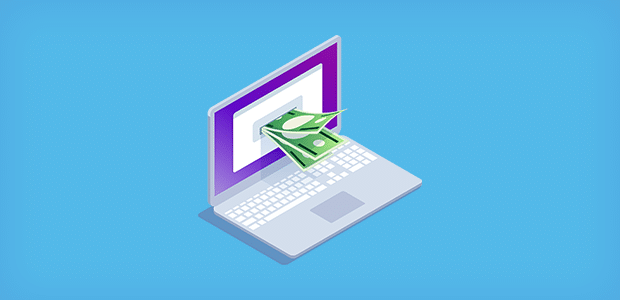
E-commerce is another option, where websites can sell their own products or services directly to customers.
Whatever the method used, it is important to focus on revenue generation.
This means understanding your audience, creating engaging content, and promoting your website effectively.
A website that generates revenue is one that has a loyal audience that trusts and values the content being offered.
Revenue is not just important for the survival of a website; it is also important for its growth.
A website that generates revenue can invest in new content, marketing, and technology to attract even more visitors and generate even more revenue. This creates a cycle of growth that allows a website to stay relevant and competitive.
In conclusion, revenue is the lifeblood of any website. It is what allows a website to sustain itself and grow. Every website owner should understand the importance of revenue and how to maximize it.
By focusing on revenue generation, a website can stay relevant and competitive in today’s fast-paced digital world.
The purpose of this guide
The purpose of this guide is to help those who are struggling to make sales on their website. It’s a common problem that many business owners face, and it can be frustrating and discouraging when you’re not seeing the results you were hoping for.
In this guide, we’ll be exploring the reasons why your website may not be making any sales and providing actionable steps to help you turn things around.
We’ll cover everything from website design and user experience to marketing and customer service.
Our goal is to provide you with the knowledge and tools you need to revive your website’s revenue and start seeing the sales you deserve.
We understand that every business is unique, so we’ve designed this guide to be adaptable to a variety of niches and industries.
Whether you’re a small business owner or a marketing professional, this guide is for you. We’ll be sharing insights and strategies that have been proven to work in a variety of settings, so you can be confident that you’re getting the best advice possible.
We believe that every website has the potential to be successful, and we want to help you unlock that potential.
By following the advice in this guide, you’ll be able to identify the areas where your website is falling short and make the necessary changes to start generating more sales.
So if you’re ready to take your website to the next level and start seeing the revenue you’ve been dreaming of, then let’s get started!
Identifying Your Target Audience
One of the most important steps in reviving your website’s revenue is identifying your target audience. Without a clear understanding of who your ideal customer is, it will be difficult to create a marketing strategy that resonates with them.
To begin,
- you can start by creating buyer personas. These fictional representations of your ideal customers help you understand their needs, wants, and pain points.
- You can create these personas by conducting market research, analyzing your website’s analytics, and surveying your existing customers.
- Once you have a clear understanding of your target audience, you can tailor your marketing messages to speak directly to their needs.
- For example, if you sell athletic gear, you might target active individuals who are interested in fitness and health. Your marketing messages might focus on the benefits of your products for improving performance and reducing injuries.
In addition to creating buyer personas, you can use data analytics to further refine your understanding of your target audience. By analyzing metrics such as demographics, behavior, and interests, you can gain insights into what types of content and messaging resonate with your audience.
It’s also important to remember that your target audience may evolve over time. As your business grows and changes, your ideal customer may shift. It’s important to continue to conduct market research and analyze your website’s analytics to stay up-to-date on your target audience’s needs.
By identifying your target audience and tailoring your marketing messages to their needs, you can create a more effective marketing strategy that drives revenue for your website.
Don’t be afraid to experiment and try new approaches – with the right strategy, you can turn your sales slump around and build a thriving online business.
Analyzing consumer behavior

In order to revive your website’s revenue, it is important to understand the behavior of your consumers. Consumers are not just random people who happen to stumble upon your website, they are individuals with specific needs and wants.
By analyzing consumer behavior, you can gain insights into what drives their decision-making process and how you can tailor your website to meet their needs.
One of the key aspects of analyzing consumer behavior is understanding their purchasing habits. Consumers tend to follow a specific pattern when it comes to making purchases, and by understanding this pattern, you can create a website that caters to their needs.
For example, if your consumers tend to make impulse purchases, then you may want to highlight your best-selling products or offer limited-time promotions to encourage them to make a purchase.
Another important aspect of analyzing consumer behavior is understanding their motivations.
Consumers are motivated by a variety of factors, such as price, quality, convenience, and brand loyalty. By understanding what motivates your consumers, you can create a website that addresses their concerns and meets their expectations.
In addition to understanding their purchasing habits and motivations, it is also important to analyze consumer feedback.
This can be done through surveys or by analyzing customer reviews. By listening to your consumers, you can gain valuable insights into what they like and dislike about your website, and use this information to make improvements.
Ultimately, analyzing consumer behavior is a key component of reviving your website’s revenue. By understanding your consumers’ purchasing habits, motivations, and feedback, you can create a website that meets their needs and encourages them to make a purchase.
With the right approach, you can turn your website into a revenue-generating machine that attracts and retains loyal customers.
Crafting a buyer persona
One of the most common mistakes businesses make is thinking that they can sell their products or services to everyone. This couldn’t be further from the truth.
The reality is that not everyone is interested in what you have to offer, and if you try to sell to everyone, you’ll end up selling to no one. This is where buyer personas come in.
A buyer persona is a semi-fictional representation of your ideal customer. It helps you understand who your customers are, what they want, and how to communicate with them effectively.
By creating a buyer persona, you can tailor your marketing efforts to the people who are most likely to buy from you.
Here’s how to craft a buyer persona:
1. Research your customers: The first step in creating a buyer persona is to research your current customers. Look at your website analytics, customer feedback, and any other data you have available. Use this information to identify patterns and trends in your customer base.
2. Identify common traits: Once you have gathered your data, identify the common traits that your customers share. This could include demographic information, interests, or pain points.
3. Create a persona: Based on the information you have gathered, create a semi-fictional representation of your ideal customer. Give them a name, age, job title, and any other relevant details that will help you understand who they are.
4. Use your persona: Once you have created your buyer persona, use it to guide your marketing efforts. Tailor your messaging, advertising, and content to speak directly to your ideal customer. Doing so will attract more of the right people to your website and increase your chances of making a sale.
Remember, crafting a buyer persona is not a one-time task.
Your customers’ needs and preferences will change over time, so it’s important to revisit your persona periodically to ensure that it still accurately represents your ideal customer.
The Sales Funnel
The stages of the sales funnel .png)
The sales funnel is a crucial aspect of any business that wants to make profits. It is a process that helps convert potential customers into paying clients. Understanding the stages of the sales funnel is essential for any business that wants to increase its sales revenue. In this blog, we will discuss the four stages of the sales funnel.
1. Awareness
The first stage of the sales funnel is awareness. At this stage, potential customers become aware of your product or service. They may find out about your business through social media, advertisements, or a referral from a friend. The goal at this stage is to create brand awareness and make a good first impression.
2. Interest
The second stage of the sales funnel is interesting. At this stage, potential customers are interested in your product or service. They may visit your website, read blog posts, and watch videos. The goal at this stage is to keep potential customers engaged and interested in your business.
3. Decision
The third stage of the sales funnel is the decision. At this stage, potential customers are ready to make a decision. They may ask for a quote, request more information, or sign up for a trial. The goal at this stage is to provide potential customers with all the information they need to make an informed decision.
4. Action
The fourth and final stage of the sales funnel is action. At this stage, potential customers become paying clients. They may purchase your product or service, sign up for a subscription, or make a donation. The goal at this stage is to make the purchase process as easy and seamless as possible.
In conclusion, understanding the stages of the sales funnel is crucial for any business that wants to increase its sales revenue.
By creating brand awareness, keeping potential customers engaged, providing them with all the information they need, and making the purchase process easy, businesses can successfully convert potential customers into paying clients.
Identifying points of friction in the funnel
The sales funnel is a crucial component of any website’s revenue strategy. It is the path that a potential customer takes from the point of first contact with your website to the point of purchase.
However, if your website is not making any sales, it may be due to points of friction in the funnel. These are points where potential customers are dropping off and not continuing down the funnel.
Identifying these points of friction is essential to fixing the problem and increasing revenue.
There are several ways to identify these points:
1. Analyze your website’s analytics.
By examining your website’s analytics, you can see where potential customers are dropping off. Look for pages with high bounce rates, low conversion rates, and long load times. These pages are likely points of friction in the funnel.
2. Conduct user testing.
User testing involves having people use your website and providing feedback on their experience. This can help identify points of friction that may not be apparent from analytics alone.
3. Collect customer feedback.
Reach out to customers who have dropped off in the funnel and ask for feedback on their experience. This can provide valuable insights into why they decided not to make a purchase.
Once you have identified the points of friction in the funnel, it is time to address them.
There are several ways to do this:
1. Improve website speed.
If load times are slow, potential customers may become impatient and leave. Improving website speed can reduce bounce rates and increase conversions.
2. Simplify the checkout process.
If the checkout process is complicated or requires too much information, potential customers may abandon their purchase. Simplifying the checkout process can increase conversions.
3. Provide better product information.
If potential customers do not have enough information about your products, they may not feel comfortable making a purchase. Providing detailed product information can increase conversions.
Identifying and addressing points of friction in the funnel is essential to increase revenue.
By analyzing your website’s analytics, conducting user testing, and collecting customer feedback, you can identify these points and make the necessary changes to improve the customer experience and increase sales.
Strategies to optimize the funnel

If your website isn’t making any sales, it’s time to take a closer look at your sales funnel. A sales funnel is a series of steps that prospective customers go through before making a purchase. It includes awareness, interest, consideration, and finally, the decision to buy. In order to optimize your sales funnel, you need to make sure that each step is working effectively.
Here are some strategies to optimize your funnel and get your website’s revenue back on track.
1. Improve your website’s design and user experience
Your website’s design and user experience play a critical role in converting visitors into customers. A poorly designed website with a confusing layout, slow loading speed, and difficult navigation can turn away potential buyers. Make sure your website is easy to use, visually appealing, and mobile-friendly.
2. Create compelling and valuable content
Your website’s content should be informative, engaging, and relevant to your target audience. Create content that speaks directly to your customers’ needs and pain points. Make sure your content is optimized for search engines, so it can be easily found by your target audience.
3. Use social media to drive traffic to your website
Social media is an excellent way to drive traffic to your website. Share your content on social media platforms, engage with your followers, and use paid social media advertising to target your ideal customers.
4. Implement email marketing campaigns
Email marketing is a powerful tool for nurturing leads and converting them into customers. Create email campaigns that provide value to your subscribers and encourage them to take action.
5. Use retargeting ads
Retargeting ads are a great way to remind potential customers about your product or service. When someone visits your website but doesn’t make a purchase, retargeting ads can follow them around the internet and remind them to come back and make a purchase.
Website Design and User Experience
The impact of website design on sales
The impact of website design on sales is a crucial aspect that every business owner needs to consider. Your website is your virtual storefront, and if it’s not designed to attract and retain customers, you’ll likely experience a sales slump.
Your website design plays a significant role in the customer’s journey, from the initial impression to the checkout process.
Here are some of the ways website design affects sales:
First impressions matter
Your website’s design is the first thing a customer sees when they land on your page. If it’s visually unappealing, cluttered, or confusing, they’ll likely leave without exploring further. A well-designed website with clear navigation, attractive visuals, and easy-to-read content, on the other hand, will encourage customers to stay and explore.
Navigation and usability
A website that’s difficult to navigate or use is frustrating for customers, and they’ll likely abandon their purchase. A clear and intuitive navigation system is essential for guiding customers through your website and making their experience seamless. The easier it is for customers to find what they’re looking for, the more likely they are to make a purchase.
Trust and credibility
Your website’s design can also influence how customers perceive your business. A professional and polished website design can build trust and credibility with potential customers, while a poorly designed website can make your business look unprofessional or unreliable.
Mobile Optimization
In today’s world, more and more customers are browsing and shopping on their mobile devices. If your website isn’t optimized for mobile, you’re likely missing out on sales. A mobile-optimized website will provide a seamless experience for customers, regardless of the device they’re using.
Best practices for website design
When it comes to designing a website, there are a few best practices that can make a huge difference in the success of your website. Whether you’re looking to increase your website’s revenue or simply improve user experience, these tips will help you achieve your goals.
1. Keep it simple and user-friendly
One of the most important aspects of website design is simplicity. A website that is easy to navigate and understand will always perform better than one that is cluttered and confusing. Keep the design clean and minimal, and make sure the navigation is clear and easy to follow. Users should be able to find what they’re looking for quickly and easily.
2. Optimize your website for mobile devices
Mobile devices are now the primary way that people access the internet. This means that your website needs to be optimized for mobile devices if you want to reach the largest possible audience. Make sure your website is responsive and can adapt to different screen sizes. Additionally, make sure that all of the content on your website is easily accessible on mobile devices.
3. Use high-quality images and videos
Visual content is incredibly important on a website. High-quality images and videos can help to engage users and keep them on your website for longer. Make sure that any visual content you use is relevant to your website and is of high quality. This will help to create a professional and trustworthy impression on users.
4. Use clear calls to action
Calls to action are an important part of any website. They encourage users to take action, whether that’s making a purchase, filling out a form, or signing up for a newsletter. Make sure that your calls to action are clear and easy to find. Use contrasting colors and clear language to make them stand out.
5. Test and optimize your website
Finally, it’s important to test and optimize your website on an ongoing basis. This means monitoring your website’s performance and making changes as needed.
Use analytics tools to track user behavior and identify areas where you can improve. Continuously testing and optimizing your website will help you to improve user experience and increase your website’s revenue over time.
By following these best practices for website design, you can create a website that not only looks great but also performs well. Whether you’re looking to increase sales or simply improve user experience, these tips will help you achieve your goals.
Improving User Experience to Increase Sales
In today’s digital age, the importance of user experience (UX) cannot be overstated. It plays a crucial role in determining whether or not a website visitor makes a purchase or returns to your website again in the future.
UX refers to the overall experience a user has when interacting with your website, including the ease of navigation, website design, and functionality.
To improve user experience and increase sales, you need to consider the following factors:
1. Website Design: The design of your website should be visually appealing and easy to navigate. A cluttered or confusing website design can turn off potential customers, leading to a high bounce rate. Ensure that your website design is clean, modern, and user-friendly.
2. Site Speed: Your website’s loading speed is crucial for user experience. The slow loading speed can lead to high bounce rates, as visitors are not willing to wait for your website to load. Optimize your website’s speed by compressing images, upgrading your web hosting, and minimizing the number of plugins used.
3. Mobile Responsiveness: More than half of all internet users access websites through their mobile devices. Therefore, it is essential to ensure that your website is mobile-responsive. A mobile-responsive website adjusts to the size of the screen and offers a seamless browsing experience to mobile users.
4. Simplify Checkout Process: A complicated checkout process can deter potential customers from making a purchase. Ensure that your checkout process is simple, easy to navigate, and requires minimal steps. Offer multiple payment options to cater to the needs of all customers.
5. Customer Reviews: Customer reviews and testimonials can improve user experience by offering social proof. Displaying positive reviews on your website can increase trust and credibility, encouraging potential customers to make a purchase.
Wrapping Up
Improving user experience is essential for increasing sales. By focusing on website design, site speed, mobile responsiveness, simplifying the checkout process, and displaying customer reviews, you can create a seamless user experience that encourages visitors to make a purchase.
Did you enjoy the post? Fast-track implementation by purchasing our Webinar Presentation template so you can skyrocket conversions.
Read more: Upsell Scripts For Your Ecommerce Store That Work
Read more: The Complete Guide To Phone Call Scripts: How To Use Them In Your Business
Read more: Creating An Engaging Video Sales Letter
The post Why Your Website Isn’t Making Any Sales and How to get out of a sales slump appeared first on MySalesScript.
https://st2.depositphotos.com/1252160/5648/i/600/depositphotos_56487165-stock-photo-stressful-businessman-looking-at-a.jpg
https://www.mysalesscript.com/why-your-website-isnt-making-any-sales-and-how-to-get-out-of-a-sales-slump/?utm_source=rss&utm_medium=rss&utm_campaign=why-your-website-isnt-making-any-sales-and-how-to-get-out-of-a-sales-slump



No comments:
Post a Comment