Monday, 17 April 2023

Why Your Website Isn’t Making Any Sales and How to get out of a sales slump

Why Your Website Isn’t Making Any Sales and How to get out of a sales slump

A sales slump is a period of time when your website’s revenue decreases significantly. It’s a frustrating and often confusing experience for website owners who are trying to grow their businesses.

A sales slump can happen for a variety of reasons, including changes in market conditions, increased competition, and a lack of marketing efforts.

During a sales slump, your website’s revenue may drop for several weeks, months, or even years. As a result, you may find yourself struggling to make ends meet or wondering how you can revive your website’s revenue.

The good news is that there are steps you can take to overcome a sales slump and get your website’s sales back on track.
One of the first things you should do when you notice a sales slump is to analyze your website’s traffic and conversion rates.

  • Are you getting fewer visitors to your site?
  • Are your conversion rates dropping?

If so, it’s time to take a closer look at your website’s design, content, and marketing strategies.

Sales drop Stock Photos, Royalty Free Sales drop Images | Depositphotos
Another common reason for a sales slump is increased competition. If you’re competing against larger, more established websites, it can be challenging to attract and retain customers.

In this case, it’s important to focus on what makes your website unique and different from your competitors. You may need to adjust your marketing strategies or add new products or services to your website to stand out.
Finally, a lack of marketing efforts can also contribute to a sales slump. If you’re not actively promoting your website, you may be missing out on potential customers.

To overcome this, consider investing in paid advertising, social media marketing, or other forms of online marketing to increase your website’s visibility and attract new customers.
In conclusion, a sales slump can be a frustrating experience for website owners, but it’s not a death sentence for your business.

By analyzing your website’s traffic and conversion rates, focusing on what makes your website unique, and investing in marketing efforts, you can overcome a sales slump and revive your website’s revenue.

The Importance of Revenue for a Website

Revenue is the lifeblood of any website. Without it, a website cannot sustain itself or grow. Revenue is what allows a website to invest in new content, marketing, and technology that will attract more visitors and generate even more revenue. Every website owner should understand the importance of revenue and how to maximize it.
Revenue is what allows a website to stay alive and relevant. It is what pays for hosting, maintenance, and development costs. A website that does not generate enough revenue will eventually become outdated and irrelevant. This is why it is crucial to focus on revenue generation from the very beginning.
There are many ways to generate revenue from a website. The most common is through advertising. Websites can sell ad space to advertisers who want to reach their audience.

Another way is through affiliate marketing. Websites can promote products or services and earn a commission for every sale made through their referral.
18 Ways to Make More Money From Your Website Traffic

E-commerce is another option, where websites can sell their own products or services directly to customers.
Whatever the method used, it is important to focus on revenue generation.

This means understanding your audience, creating engaging content, and promoting your website effectively.

A website that generates revenue is one that has a loyal audience that trusts and values the content being offered.
Revenue is not just important for the survival of a website; it is also important for its growth.

A website that generates revenue can invest in new content, marketing, and technology to attract even more visitors and generate even more revenue. This creates a cycle of growth that allows a website to stay relevant and competitive.
In conclusion, revenue is the lifeblood of any website. It is what allows a website to sustain itself and grow. Every website owner should understand the importance of revenue and how to maximize it.

By focusing on revenue generation, a website can stay relevant and competitive in today’s fast-paced digital world.

The purpose of this guide

The purpose of this guide is to help those who are struggling to make sales on their website. It’s a common problem that many business owners face, and it can be frustrating and discouraging when you’re not seeing the results you were hoping for.
In this guide, we’ll be exploring the reasons why your website may not be making any sales and providing actionable steps to help you turn things around.

We’ll cover everything from website design and user experience to marketing and customer service.
Our goal is to provide you with the knowledge and tools you need to revive your website’s revenue and start seeing the sales you deserve.

We understand that every business is unique, so we’ve designed this guide to be adaptable to a variety of niches and industries.
Whether you’re a small business owner or a marketing professional, this guide is for you. We’ll be sharing insights and strategies that have been proven to work in a variety of settings, so you can be confident that you’re getting the best advice possible.
We believe that every website has the potential to be successful, and we want to help you unlock that potential.

By following the advice in this guide, you’ll be able to identify the areas where your website is falling short and make the necessary changes to start generating more sales.
So if you’re ready to take your website to the next level and start seeing the revenue you’ve been dreaming of, then let’s get started!

Identifying Your Target Audience

One of the most important steps in reviving your website’s revenue is identifying your target audience. Without a clear understanding of who your ideal customer is, it will be difficult to create a marketing strategy that resonates with them.
To begin,

  • you can start by creating buyer personas. These fictional representations of your ideal customers help you understand their needs, wants, and pain points.
  • You can create these personas by conducting market research, analyzing your website’s analytics, and surveying your existing customers.
  • Once you have a clear understanding of your target audience, you can tailor your marketing messages to speak directly to their needs.
  • For example, if you sell athletic gear, you might target active individuals who are interested in fitness and health. Your marketing messages might focus on the benefits of your products for improving performance and reducing injuries.

In addition to creating buyer personas, you can use data analytics to further refine your understanding of your target audience. By analyzing metrics such as demographics, behavior, and interests, you can gain insights into what types of content and messaging resonate with your audience.

It’s also important to remember that your target audience may evolve over time. As your business grows and changes, your ideal customer may shift. It’s important to continue to conduct market research and analyze your website’s analytics to stay up-to-date on your target audience’s needs.

By identifying your target audience and tailoring your marketing messages to their needs, you can create a more effective marketing strategy that drives revenue for your website.

Don’t be afraid to experiment and try new approaches – with the right strategy, you can turn your sales slump around and build a thriving online business.

Analyzing consumer behavior

Sales decline Stock Photos, Royalty Free Sales decline Images | Depositphotos

In order to revive your website’s revenue, it is important to understand the behavior of your consumers. Consumers are not just random people who happen to stumble upon your website, they are individuals with specific needs and wants.

By analyzing consumer behavior, you can gain insights into what drives their decision-making process and how you can tailor your website to meet their needs.
One of the key aspects of analyzing consumer behavior is understanding their purchasing habits. Consumers tend to follow a specific pattern when it comes to making purchases, and by understanding this pattern, you can create a website that caters to their needs.

For example, if your consumers tend to make impulse purchases, then you may want to highlight your best-selling products or offer limited-time promotions to encourage them to make a purchase.
Another important aspect of analyzing consumer behavior is understanding their motivations.

Consumers are motivated by a variety of factors, such as price, quality, convenience, and brand loyalty. By understanding what motivates your consumers, you can create a website that addresses their concerns and meets their expectations.
In addition to understanding their purchasing habits and motivations, it is also important to analyze consumer feedback.

This can be done through surveys or by analyzing customer reviews. By listening to your consumers, you can gain valuable insights into what they like and dislike about your website, and use this information to make improvements.
Ultimately, analyzing consumer behavior is a key component of reviving your website’s revenue. By understanding your consumers’ purchasing habits, motivations, and feedback, you can create a website that meets their needs and encourages them to make a purchase.

With the right approach, you can turn your website into a revenue-generating machine that attracts and retains loyal customers.

Crafting a buyer persona

One of the most common mistakes businesses make is thinking that they can sell their products or services to everyone. This couldn’t be further from the truth.

The reality is that not everyone is interested in what you have to offer, and if you try to sell to everyone, you’ll end up selling to no one. This is where buyer personas come in.
A buyer persona is a semi-fictional representation of your ideal customer. It helps you understand who your customers are, what they want, and how to communicate with them effectively.

By creating a buyer persona, you can tailor your marketing efforts to the people who are most likely to buy from you.
Here’s how to craft a buyer persona:

1. Research your customers: The first step in creating a buyer persona is to research your current customers. Look at your website analytics, customer feedback, and any other data you have available. Use this information to identify patterns and trends in your customer base.
2. Identify common traits: Once you have gathered your data, identify the common traits that your customers share. This could include demographic information, interests, or pain points.
3. Create a persona: Based on the information you have gathered, create a semi-fictional representation of your ideal customer. Give them a name, age, job title, and any other relevant details that will help you understand who they are.
4. Use your persona: Once you have created your buyer persona, use it to guide your marketing efforts. Tailor your messaging, advertising, and content to speak directly to your ideal customer. Doing so will attract more of the right people to your website and increase your chances of making a sale.
Remember, crafting a buyer persona is not a one-time task.

Your customers’ needs and preferences will change over time, so it’s important to revisit your persona periodically to ensure that it still accurately represents your ideal customer.

The Sales Funnel

The stages of the sales funnel

The sales funnel is a crucial aspect of any business that wants to make profits. It is a process that helps convert potential customers into paying clients. Understanding the stages of the sales funnel is essential for any business that wants to increase its sales revenue. In this blog, we will discuss the four stages of the sales funnel.

1. Awareness

The first stage of the sales funnel is awareness. At this stage, potential customers become aware of your product or service. They may find out about your business through social media, advertisements, or a referral from a friend. The goal at this stage is to create brand awareness and make a good first impression.

2. Interest

The second stage of the sales funnel is interesting. At this stage, potential customers are interested in your product or service. They may visit your website, read blog posts, and watch videos. The goal at this stage is to keep potential customers engaged and interested in your business.

3. Decision

The third stage of the sales funnel is the decision. At this stage, potential customers are ready to make a decision. They may ask for a quote, request more information, or sign up for a trial. The goal at this stage is to provide potential customers with all the information they need to make an informed decision.

4. Action

The fourth and final stage of the sales funnel is action. At this stage, potential customers become paying clients. They may purchase your product or service, sign up for a subscription, or make a donation. The goal at this stage is to make the purchase process as easy and seamless as possible.
In conclusion, understanding the stages of the sales funnel is crucial for any business that wants to increase its sales revenue.

By creating brand awareness, keeping potential customers engaged, providing them with all the information they need, and making the purchase process easy, businesses can successfully convert potential customers into paying clients.

Identifying points of friction in the funnel

The sales funnel is a crucial component of any website’s revenue strategy. It is the path that a potential customer takes from the point of first contact with your website to the point of purchase.

However, if your website is not making any sales, it may be due to points of friction in the funnel. These are points where potential customers are dropping off and not continuing down the funnel.
Identifying these points of friction is essential to fixing the problem and increasing revenue.

There are several ways to identify these points:

1. Analyze your website’s analytics.

By examining your website’s analytics, you can see where potential customers are dropping off. Look for pages with high bounce rates, low conversion rates, and long load times. These pages are likely points of friction in the funnel.

2. Conduct user testing.

User testing involves having people use your website and providing feedback on their experience. This can help identify points of friction that may not be apparent from analytics alone.

3. Collect customer feedback.

Reach out to customers who have dropped off in the funnel and ask for feedback on their experience. This can provide valuable insights into why they decided not to make a purchase.
Once you have identified the points of friction in the funnel, it is time to address them.

There are several ways to do this:

1. Improve website speed.

If load times are slow, potential customers may become impatient and leave. Improving website speed can reduce bounce rates and increase conversions.

2. Simplify the checkout process.

If the checkout process is complicated or requires too much information, potential customers may abandon their purchase. Simplifying the checkout process can increase conversions.

3. Provide better product information.

If potential customers do not have enough information about your products, they may not feel comfortable making a purchase. Providing detailed product information can increase conversions.
Identifying and addressing points of friction in the funnel is essential to increase revenue.

By analyzing your website’s analytics, conducting user testing, and collecting customer feedback, you can identify these points and make the necessary changes to improve the customer experience and increase sales.

Strategies to optimize the funnel

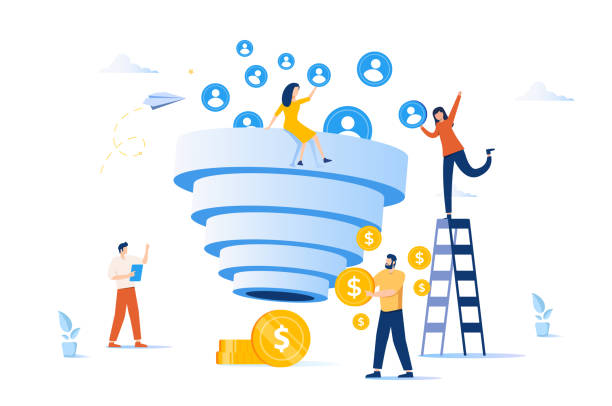
Marketing Funnel 101: What It Is and How to Create Content for Each Stage

If your website isn’t making any sales, it’s time to take a closer look at your sales funnel. A sales funnel is a series of steps that prospective customers go through before making a purchase. It includes awareness, interest, consideration, and finally, the decision to buy. In order to optimize your sales funnel, you need to make sure that each step is working effectively.

Here are some strategies to optimize your funnel and get your website’s revenue back on track.

1. Improve your website’s design and user experience

Your website’s design and user experience play a critical role in converting visitors into customers. A poorly designed website with a confusing layout, slow loading speed, and difficult navigation can turn away potential buyers. Make sure your website is easy to use, visually appealing, and mobile-friendly.

2. Create compelling and valuable content

Your website’s content should be informative, engaging, and relevant to your target audience. Create content that speaks directly to your customers’ needs and pain points. Make sure your content is optimized for search engines, so it can be easily found by your target audience.

3. Use social media to drive traffic to your website

Social media is an excellent way to drive traffic to your website. Share your content on social media platforms, engage with your followers, and use paid social media advertising to target your ideal customers.

4. Implement email marketing campaigns

Email marketing is a powerful tool for nurturing leads and converting them into customers. Create email campaigns that provide value to your subscribers and encourage them to take action.

5. Use retargeting ads

Retargeting ads are a great way to remind potential customers about your product or service. When someone visits your website but doesn’t make a purchase, retargeting ads can follow them around the internet and remind them to come back and make a purchase.

Website Design and User Experience

The impact of website design on sales

The impact of website design on sales is a crucial aspect that every business owner needs to consider. Your website is your virtual storefront, and if it’s not designed to attract and retain customers, you’ll likely experience a sales slump.

Your website design plays a significant role in the customer’s journey, from the initial impression to the checkout process.

Here are some of the ways website design affects sales:

First impressions matter

Your website’s design is the first thing a customer sees when they land on your page. If it’s visually unappealing, cluttered, or confusing, they’ll likely leave without exploring further. A well-designed website with clear navigation, attractive visuals, and easy-to-read content, on the other hand, will encourage customers to stay and explore.

Navigation and usability

A website that’s difficult to navigate or use is frustrating for customers, and they’ll likely abandon their purchase. A clear and intuitive navigation system is essential for guiding customers through your website and making their experience seamless. The easier it is for customers to find what they’re looking for, the more likely they are to make a purchase.

Trust and credibility

Your website’s design can also influence how customers perceive your business. A professional and polished website design can build trust and credibility with potential customers, while a poorly designed website can make your business look unprofessional or unreliable.

Mobile Optimization

In today’s world, more and more customers are browsing and shopping on their mobile devices. If your website isn’t optimized for mobile, you’re likely missing out on sales. A mobile-optimized website will provide a seamless experience for customers, regardless of the device they’re using.

Best practices for website design

When it comes to designing a website, there are a few best practices that can make a huge difference in the success of your website. Whether you’re looking to increase your website’s revenue or simply improve user experience, these tips will help you achieve your goals.

1. Keep it simple and user-friendly

One of the most important aspects of website design is simplicity. A website that is easy to navigate and understand will always perform better than one that is cluttered and confusing. Keep the design clean and minimal, and make sure the navigation is clear and easy to follow. Users should be able to find what they’re looking for quickly and easily.

2. Optimize your website for mobile devices

Mobile devices are now the primary way that people access the internet. This means that your website needs to be optimized for mobile devices if you want to reach the largest possible audience. Make sure your website is responsive and can adapt to different screen sizes. Additionally, make sure that all of the content on your website is easily accessible on mobile devices.

3. Use high-quality images and videos

Visual content is incredibly important on a website. High-quality images and videos can help to engage users and keep them on your website for longer. Make sure that any visual content you use is relevant to your website and is of high quality. This will help to create a professional and trustworthy impression on users.

4. Use clear calls to action

Calls to action are an important part of any website. They encourage users to take action, whether that’s making a purchase, filling out a form, or signing up for a newsletter. Make sure that your calls to action are clear and easy to find. Use contrasting colors and clear language to make them stand out.

5. Test and optimize your website

Finally, it’s important to test and optimize your website on an ongoing basis. This means monitoring your website’s performance and making changes as needed.

Use analytics tools to track user behavior and identify areas where you can improve. Continuously testing and optimizing your website will help you to improve user experience and increase your website’s revenue over time.
By following these best practices for website design, you can create a website that not only looks great but also performs well. Whether you’re looking to increase sales or simply improve user experience, these tips will help you achieve your goals.

Improving User Experience to Increase Sales

In today’s digital age, the importance of user experience (UX) cannot be overstated. It plays a crucial role in determining whether or not a website visitor makes a purchase or returns to your website again in the future.

UX refers to the overall experience a user has when interacting with your website, including the ease of navigation, website design, and functionality.
To improve user experience and increase sales, you need to consider the following factors:
1. Website Design: The design of your website should be visually appealing and easy to navigate. A cluttered or confusing website design can turn off potential customers, leading to a high bounce rate. Ensure that your website design is clean, modern, and user-friendly.
2. Site Speed: Your website’s loading speed is crucial for user experience. The slow loading speed can lead to high bounce rates, as visitors are not willing to wait for your website to load. Optimize your website’s speed by compressing images, upgrading your web hosting, and minimizing the number of plugins used.
3. Mobile Responsiveness: More than half of all internet users access websites through their mobile devices. Therefore, it is essential to ensure that your website is mobile-responsive. A mobile-responsive website adjusts to the size of the screen and offers a seamless browsing experience to mobile users.
4. Simplify Checkout Process: A complicated checkout process can deter potential customers from making a purchase. Ensure that your checkout process is simple, easy to navigate, and requires minimal steps. Offer multiple payment options to cater to the needs of all customers.
5. Customer Reviews: Customer reviews and testimonials can improve user experience by offering social proof. Displaying positive reviews on your website can increase trust and credibility, encouraging potential customers to make a purchase.

Wrapping Up

Improving user experience is essential for increasing sales. By focusing on website design, site speed, mobile responsiveness, simplifying the checkout process, and displaying customer reviews, you can create a seamless user experience that encourages visitors to make a purchase.

Did you enjoy the post? Fast-track implementation by purchasing our Webinar Presentation template so you can skyrocket conversions.

Read more: Upsell Scripts For Your Ecommerce Store That Work
Read more: 
The Complete Guide To Phone Call Scripts: How To Use Them In Your Business
Read more: 
Creating An Engaging Video Sales Letter

The post Why Your Website Isn’t Making Any Sales and How to get out of a sales slump appeared first on MySalesScript.


https://st2.depositphotos.com/1252160/5648/i/600/depositphotos_56487165-stock-photo-stressful-businessman-looking-at-a.jpg
https://www.mysalesscript.com/why-your-website-isnt-making-any-sales-and-how-to-get-out-of-a-sales-slump/?utm_source=rss&utm_medium=rss&utm_campaign=why-your-website-isnt-making-any-sales-and-how-to-get-out-of-a-sales-slump

Sunday, 16 April 2023

Facebook advertising strategies that bring in more sales

Facebook advertising strategies that bring in more sales

Facebook advertising is a booming business that shows no signs of slowing down. Every year, Fifteen million businesses spend billions on Facebook ads.

But how much impact is this money having? According to eMarketer, 96 percent of marketers consider Facebook the most effective social media advertising platform based on proven ROI. And why? Of Facebook’s two billion monthly users, the average person spends at least 50 minutes a day on one of Facebook’s products – more than any other network.

Whether you’re trying to increase brand awareness, drive sales and leads, or all of the above, Facebook ads can assist you in achieving your business goals at every customer journey stage.

1: Increase brand awareness through ads

10,733 Brand Awareness Stock Photos and Images - 123RF

Use Facebook’s powerful targeting to grow your audience.

Before you can win someone over, you need to grab their attention. Facebook’s colossal user community means your brand’s message has the potential to achieve a broad reach – but you can only rely on those big numbers to do some of the work for you. Only two percent of a brand’s audience sees its organic posts on Facebook. Combining paid and organic Facebook posts with driving engagement, traffic, and conversions would be best.

Help people find your products.

Facebook has features specifically designed to help people discover your products and engage with your business:

1. brand awareness campaigns

2. reach campaigns

3. unique ad formats

4. brand analysis

Campaigns to increase brand awareness

Increasing discoverability is the first step to building a strong.

Build brand and increase sales with Facebook’s brand awareness campaigns, you can promote your company in the place where people find new things – and where they’re already in discoverability mode.

Select the “brand awareness” goal in your Facebook advertising dashboard to increase discoverability. This optimization for brand awareness combines reach and attention to ensure your ads are delivered to the people most likely to respond – and higher Ad recall. Before you create an ad with “brand awareness” in mind, you should take note:

  • Brand awareness optimization can be found in Ads Manager.
  • Placements under consideration include Facebook, Instagram, and Audience Network
  • You can use image, video, slideshow, and carousel ad formats.
  • Like other optimized cost-per-thousand-impressions (CPM) bid types, you’ll be charged by impressions.

Facebook tip: To avoid overspending, use only one placement (Facebook Mobile News Feed, Instagram, etc.) per ad set and set a bid specifically for that placement. The CPM can vary significantly from placement to placement for the same target audience, so limit your brand awareness ads to one location.

Reach the right audience

If you wish to reach a broad audience, Facebook makes it easy. Use the “Reach” goal to reach the largest audience at the lowest cost.

Increase brand awareness and reach with eye-catching ad formats

Facebook’s various ad formats offer brands a solution for every business goal. If your main focus is to attract customers at the top of your sales funnel, consider two key ad formats:

Video ads: With 100 million hours of video watched daily on Facebook, video ads are a great way to connect with people. Video ads can be played as soon as they appear in a viewer’s News Feed so that they can engage your audience instantly.

Slideshows: Create engaging slideshows with your photos in just minutes and capture your audience’s attention with motion. Slideshows give you the benefits of video without the cost and time of production.

Measure brand awareness and reach

Facebook suggests specific metrics to measure the success of your ads optimized for brand awareness and reach.

Estimated ad recall (people): A new metric, estimated ad recall (people), estimates how many people will remember your ad after seeing it. It is computed by comparing the variety of people you reach and the amount of time they spend viewing your ads (attention) to historical information on the correlation of attention and reach with ad recall.

Brand performance metrics: When you run a brand campaign, metrics like reach, video views, and cost per video view (CPV) help you measure brand awareness and engagement and the associated costs. These metrics are a better measure of brand awareness than metrics like clicks and page likes.

2: Reach and optimize critical audiences

1,600+ Audience Reach Stock Photos, Pictures & Royalty-Free Images - iStock | Target audience

Reach the customers who are most likely to buy

Not all audiences are the same, so you need a comprehensive Facebook advertising strategy for optimal results. Once you’ve gotten in touch with your Facebook content and past ads, you’ll have meaningful data to optimize your targeting.

And remember: Before you launch a campaign, always have your conversions and goals in mind.

Track conversions and optimize ads with the Facebook Pixel

A Facebook Pixel – a code you place on your website – helps brands track conversions from Facebook ads, optimize ads based on the data collected, create audiences for future ads, and retarget qualified leads. It places and enables cookies to track user interaction with your website and Facebook ads. The targeting and retargeting features of the Facebook Pixel can help you make the most of your social ads budget.

Target specific devices

When creating your targeting strategy, you need to consider which devices (mobile or desktop) your audience is most active on. With device-specific targeting, you can first target ads to one device to increase brand awareness and then to another to drive conversions and close the sale. This way, you can be successful at every stage of the customer’s buying Journey.

Determine the type of device that is most likely to drive conversions, depending on your campaign goals. Consider your target audience and the devices they would most likely use based on their demographics and behavior patterns.

For example, if you’re trying to target app downloads, focus exclusively on mobile devices, as your potential customers are the most active and will make the conversion you want.

Increase sales with custom audiences

With Ads, you can use your existing audience data to create custom and lookalike audiences that will help you increase sales effectively.

Custom audiences

Custom audiences let you find specific target groups based on various data (e.g., email lists, data from CRM systems like My sales script, and people who have liked your Facebook page).

Use a custom audience if you like:

Reach people who visited a product page but still need to complete a purchase (to encourage them to return and do so).

Create an audience of all people who have visited your internet site in the last 30 days.

Same target groups

Once you’ve figured out what works for your custom audiences, you can create like audiences from this data and show them similar campaigns and offers.

First, identify your top engagers. Look at who likes your posts, leaves comments or feedback, writes reviews about your brand, and shares your page with their Facebook friends. 

For your Facebook ads

To ensure you’re targeting the right people, you should list your highest converting customers based on transaction value, engagement with your brand, and lifetime value. Ideally, you should enter the data of several hundred or even a few thousand customers on Facebook .you want to create brand awareness and reach only your best potential customers – those with the highest lifetime value for your brand, which will keep returning to buy your products.

Use a similar audience if:

  • Your main goal is brand awareness and attracting new customers.
  • You want to grow in a new international market (e.g., by creating a similar audience based on your local customers)

Use retargeting to stay in the mind of potential customers

If you’ve ever visited an e-commerce website and been followed for days by a product ad, you know how effective retargeting can be.

Retargeting allows you to reach highly engaged members of your audience who are in the evaluation stage of the buying process. These people have interacted with your Facebook page or website in some way (e.g., by adding an item to their cart but not making the purchase added to the cart but did not complete the purchase), thus showing optimal engagement for your business.

Retargeting is also effective for cross-device optimization. For example, if you’re a business that offers a mobile product, you can target everyone who visited your site on the desktop in the last month with a mobile ad that includes a compelling call to action.

If your audience is on the optimal device, they are more likely to convert.

Formats that are suitable for retargeting:

Offer ads

For audiences between the review and purchase stages, offer ads are an effective way to drive conversion. You can create offer ads for everything from free shipping on a customer’s first purchase to a deluxe sample of a new product with every order.

Offers are a feature that must be enabled. You’ll find it when you create your Facebook ads under the Ads Set category.

Carousel Ads

You have several options when using carousel ads to increase conversions with retargeting. You can use carousel ads to highlight features that make your product stand out or to display a combination of products or services that are most relevant to users based on their past buying behavior.

Did they buy a new computer on your e-commerce site? Use carousel ads to show them a wireless keyboard, Bluetooth speaker, laptop stand, and screen cleaner. By displaying complementary products, you can both encourage more purchases and increase the average purchase value.

3: Test your ads at scale

4,682,700+ Advertising Stock Photos, Pictures & Royalty-Free Images - iStock | Marketing, Digital advertising, Media

Save time and money with strategic testing:

Any digital marketing strategy requires constant innovation and testing to achieve better results and stay ahead of the curve. Especially since Facebook itself

releases new products and features regularly. The following strategies are great ideas you can apply to your current or future campaigns to ensure you get the best results possible.

Use A/B testing to find the best-performing ads

Facebook ads are the perfect place to find out what resonates best with your audience – from format to image style and hashtags to length of text and tone of voice. Using the data you gather from testing, you can better predict what ad content will convert.

You can test many ad components to find out what works great for your audience, and with Facebook Ads, you can do this at scale.

Key areas to test include:

  • Text: Test the length of your ad (number of characters), the style (a question or statement), the use of emoji, punctuation, and the tone of voice.
  • Call to action: Try different ways to ask your audience to take action. For example, test whether “buy now” works better than “learn more.”
  • Visual elements: Test different images and videos, text-only posts vs. posts with images, a regular image vs. a GIF, images of people or products vs. diagrams or infographics, and different video lengths.
  • Format: Test different formats against each other, such as carousel ads, canvas ads, app install ads, video ads, lead ads, omnibus ads, slideshow ads, and regular photo ads.

4: Optimize your ads like a pro

140,200+ Search Engine Stock Photos, Pictures & Royalty-Free Images - iStock | Search engine optimization, Search engine optimisation, Marketing

Optimize your ads for mobile apps. Facebook’s App Event Optimization lets businesses serve mobile application install ads to individuals most likely to take a specific activity in your application.

For instance, you can select mobile app install ads optimized for purchases to attract customers most likely to purchase your app. Or, if you want a user to “add to cart” from your app, you can optimize your mobile app and install ads.

Optimize ads for that purpose:

Use lead ads to collect contact information

Lead ads are another efficient way for businesses to connect with customers in the acquisition phase of the buying process.

When Facebook users click on a lead ad, a form is displayed. Facebook automatically fills out this form with as much information about the user as possible (e.g., name, email address, and phone number, if provided), making it easy for users to purchase mobile and desktop.

Since lead ads give you a customer’s contact information, you can reach them with relevant email campaigns and targeted Facebook ads.

To create a lead ad, select the lead generation objective when creating your ad. This ad format is particularly effective as part of a retargeting campaign for audiences already familiar with your business, such as previous website visitors or people who have watched one of your videos.

Have viewed one of your videos. This way, your relevance score, and CTR stay high and your CPA as low as possible.

You can use lead ads to:

  • Offer deals, coupons, and promotions
  • Facilitate newsletter signups
  • Provide information about new products, events, or updates.
  • Contact prospects who express interest in your business.

5: Measure ad performance

20,500+ Measure Results Stock Photos, Pictures & Royalty-Free Images - iStock | Measure results icon, Measure results business

Paid social attribution and the metrics you can’t ignore

You don’t need to cut corners to get results. Measuring ad performance is the best way to optimize your Facebook ad budget effectively.

The key metrics every marketer needs to know When it comes to your ad costs, it’s essential to make sure you’re using your Facebook ad budget as efficiently as possible.

The following metrics will help you optimize your ad budget without sacrificing results:

Return on Ad Spend (ROAS): This metric refers to the total return on ad spend from website purchases. It’s based on the value of all conversions tape-recorded by the Facebook pixel on your website and attributed to your advertisements.

If you have implemented a formal purchase event on your website, this metric count when the Facebook Pixel tracks and assigns this event to your ads.

Relevancy score: Your relevance score tells you how relevant your ad is to your target audience. Facebook prioritizes ads with high relevance scores, lowering your CPC and the cost of your ads.

Click-through rate: A better click-through rate increases your relevancy score and lowers your costs. Improve CTR by using desktop news feed ad placements (which generate higher CTRs), appropriate CTA buttons, writing simple ad copy, and keeping frequency (the number of times a customer sees your ad) as low as possible.

Cost per Mille (CPM): That is the essential measure of advertising success on social media. Cost Per Mille (or thousand impressions) is a term that indicates the price of 1,000 ad impressions on a web page. For example, if you spend $50 and receive 10,000 impressions, your CPM is $5.

Cost per Acquisition (CPA): Cost per acquisition or cost per action describes the amount an advertiser pays when an ad results in a sale (or action). On Facebook, for example, the cost per action can be for “likes” on the page, taking advantage of an offer, installing a mobile app, and clicking a link.

That is the best way to measure success if your objective is to get your audience to take action beyond a click. For example, this is effective if you’re trying to get people to download protected content (which requires filling out a form), sign up for a webinar, or redeem a code.

Cost per lead (CPL): To identify the return on investment of a social advertising campaign whose goal is lead generation, you need to calculate the cost of acquiring a lead (cost per lead).

To determine the CPL, divide your ad spend by the number of leads generated during the campaign period. Your most successful campaigns will acquire high-quality leads at the lowest cost. Cost per lead is a variation of a CPA campaign, where a lead is a person who is likely to make a purchase or take action.

Advantages of advertising on Facebook

While it can indeed be argued that Facebook ads are less effective than they used to be, it’s still the social network with the most active users – not to mention that it also covers Instagram. That’s why targeting Facebook advertising strategies is essential to ensure you save your budget on ads that don’t contribute to your bottom line.

Facebook advertising offers some key advantages:

  • Advanced options for targeting your ads to specific audiences.
  • Smooth shopping integration
  • Informative data analytics
  • Among the most extensive socials media
  • Accessibility to Facebook’s entire advertisement library
  • Alternatives for every spending plan

You can make use of Facebook advertisements for both client purchases as well as retention. It’s an excellent means to raise brand understanding, reach out to new prospective customers, and also cultivate connections with individuals that already recognize your brand name.

Facebook uses three primary objectives you can pick from for every ad:

Awareness: Use this objective if you are new to business or advertising and marketing on Facebook and intend to target new customers. You can utilize this to release a brand-new product or promote an event.

Factor to consider: That is the following action in our Facebook ads journey – after your audience has created some awareness of what you use, you need to target them with ads that supply even more info. These advertisements drive involvement or assist you in gathering leads.

Conversion: The last step in the trip is to get customers to transform. That could mean they buy a product, or you want them to visit your website, get directions to your store, or fill out a form telling you their information.

There’s no guideline or tell-tale sign for when you should consider Facebook ads. Instead, the platform offers opportunities for almost any business and any budget.

Revisit and analyze your Facebook ad strategy

The most effective Facebook ads are constantly tweaked for performance, though you can set them up and then forget about them.

You must check your Facebook ads to discover what works and what doesn’t and then make modifications based on those findings. For example, evaluate Facebook video clip advertisements versus photo advertisements to see if one material type performs far better. Another optimization method for Facebook ads is to consider your ads’ expense. You can adjust bids and audiences to reduce the cost per click (CPC).

Facebook Ads Strategy FAQ

Q: Which strategy should I make use of for Facebook advertisements?

A: You can make utilize of any one of the five strategies in this message for Facebook advertisements:

  • Customize your ads by targeting specific target markets
  • Support repeat consumers through customized Facebook audiences.
  • Expand your market via “lookalike” targeting
  • Retarget previous site visitors to your Facebook or Instagram web pages
  • Take a look at your competitors in the Facebook ad collection

Q: What is one of the most effective Facebook ads?

A: One of the most reliable Facebook advertisements is targeted to a specific audience, is frequently maximized to improve efficiency, and is integrated into a straightforward e-commerce marketing technique.

Q: What makes a good Facebook ad in 2023?

A: A good Facebook ad in 2023 is targeted to its audience and optimized for multiple devices.

Q: What is the best optimization for Facebook ads?

A: The best optimization for Facebook ads is to use the dynamic ads option. Facebook automatically uses the best-performing ads to promote your campaigns.

Did you enjoy the post? Fast-track implementation by purchasing our Facebook Ads template so you can skyrocket conversions contact us at MySalesScript.com.

You Might Also Enjoy

The post Facebook advertising strategies that bring in more sales appeared first on MySalesScript.


https://us.123rf.com/450wm/wrightstudio/wrightstudio2110/wrightstudio211000110/175709939-increase-brand-awareness-text-on-screen-advertising-and-marketing-concept.jpg?ver=6
https://www.mysalesscript.com/facebook-advertising-strategies-that-bring-in-more-sales/?utm_source=rss&utm_medium=rss&utm_campaign=facebook-advertising-strategies-that-bring-in-more-sales

Tuesday, 4 April 2023

How to create an effective Facebook advertising strategy in 2023

How to create an effective Facebook advertising strategy in 2023

We offer a range of services to give your business an online presence, allowing you to focus your time and energy on the rest of your company, contact us at MySalesScript.com.

When spending your advertising budget, you may need help figuring out how to get the most out of your money. Besides, there are a lot of different marketing and advertising alternatives. How do you know which will work best for your business, reach your desired audience, and give you the greatest return on investment?

Despite all the changes Facebook has undergone in recent months, it’s still a great place to advertise your business. Ads are affordable, and you can target your “ideal” customers. With about 1.93 billion people using this social media platform daily, you’re sure to reach the audience you want.

As with any marketing or advertising platform, you should approach this endeavor with a solid plan or strategy. Without such a plan, you could throw flyers off a bridge and hope for the best.

Why should you use Facebook ads?

Why should you use paid Facebook ads? Here are some key benefits you can enjoy by advertising on Facebook and developing a targeted strategy.

Ability to reach a large audience

With nearly 3 billion monthly active clients, Facebook is still the largest social media platform. Because it attracts such a large user base, you can get your brand noticed on a large scale.

Ability to fine-tune your targeting

Facebook’s targeting features are some of the best in the industry. By default, the platform displays your ad to users most likely to be interested in it. However, you can further refine the targeting based on the following:

  • Interests, geography, age, and many other factors.
  • Previous engagement with your business
  • Similarity to your best customers
  • Access to reliable ad analytics

Facebook’s analytics provide you with comprehensive insights into your ad performance. You can use it to track your performance in real time. You can even create custom reports based on the metrics that matter to you.

Facebook Ads Strategy 2023

If you’re advertising on Facebook for the first time, this landscape may seem like a scary new territory that no business has entered. But it isn’t. There are greater than 3 million services actively promoted on Facebook.

“Wait a minute .. Isn’t it oversaturated, then? Should not I advertise elsewhere?” There are so many marketers on Facebook since it works. It’s a great way to reach your target audience and get them to act (ideally, buy your product).

However, you must know that only some of those 3 million advertisers succeed. Many have yet to understand their ideal customer and how to target the people they wish to offer.

So the question is whether you should advertise on Facebook. Instead, the question is how to advertise correctly to make the ROI worth it.

What you should know before you set up your Facebook ad

We understand you’re excited, but some pre-planning will help make your campaign more successful.

First, you need to know who your customer is:

  1. Who are they?
  2. What is their family situation?
  3. How much do they make?
  4. Where do they live? (Both geographically and whether they own or rent).
  5. Where do they work?
  6. How do they spend their free time?

Once you know who they are, take it further and understand their thoughts.

What keeps them up at night? What is their emotional state, and what needs do they want to be met? How do they identify themselves? How they see themselves is typically more crucial than exactly how you see them (even if your view is much more practical).

Next, walk through the average Customer Journey. What steps does the customer go through when they:

  1. Recognize that they have a problem
  2. Recognize what the problem is
  3. Discover possible solutions
  4. Become aware of yourself as an option
  5. Decide to purchase your product

This path may look slightly different for each customer. However, in general, they fall into three categories:

  • Awareness phase (top of the funnel).
  • Consideration phase (middle of the funnel).
  • choice stage (at the bottom of the funnel).

Why is this important for you as an advertiser? Because you will adjust your content, offers, wording, and call to action depending on the phase of the Client Journey your possible buyer remains in.

Lastly, it would be best to split your audience into segments based on which stage of the Customer Journey they are in. That will allow you to make the relevant offers to the right people at the right time.

Right here are some examples of feasible audience sections:

  • All new clients in the “prospect” stage enter your funnel as cozy leads because they want your item.
  • Warm leads have seen your site but have yet to take action. You can use retargeting to remind them that you are there, waiting for them, with the solution to their problems.
  • Engaged blog readers like your blog and like to come back again and again. They will share your content on Facebook or make a purchase.
  • Landing page visitors come to a specific landing page and will likely be interested in that product.
  • Visitors who abandoned their shopping carts were this close to making a purchase. But something stopped them. They may need a little push to complete their purchase.
  • Returning customers love your brand. They have purchased from you in the past and are happy to return. These customers can advocate for your brand by praising and recommending your product to their friends.
  • As you learn more about your audience, you can discover different segments requiring different messages.
  • Consider how your Facebook method will differ depending on who you’re promoting to and where they remain in their trip (and in your channel). Think about these alternatives.
  • If you want to target potential customers, you can create ads around your brand or content that helps them understand their problem (and positions you as an expert).
  • If your goal shifts and you want to CONVERSE with prospects, you’ll use contests, giveaways, free trial offers, and lead ads.
  • When it’s time to move prospects to close, you’ll use lead-nurturing campaigns, discount offers, sales campaigns, and limited-time offers to get them to buy.
  • Once prospects become customers, it’s time to press them with premium deals, reference programs, upsell projects, and helpful information concerning their acquisitions.

Before we dive into Facebook advertising strategy, there’s one more step. It’s called the Facebook Pixel, and if you want to track your conversion (which you do), you need to install it. The Facebook pixel is a chain of tracking points you take from Facebook and embed into your website. After that, it tracks what visitors do when they pertain to your website. That allows you to tailor your ads to actual user behavior better.

Not very tech-savvy but still want to set up your website? Facebook provides step-by-step instructions on how to install a Facebook Pixel on your website.

Facebook advertising strategies

Now that you’ve laid the groundwork for strong Facebook ads, we can look at different strategies you can use for your ads.

Depending on the audience segments you want to target, these strategies may not all be appropriate. Keep your audience research in mind when looking at these options.

1. Combine Facebook ads with content marketing

198,900+ Facebook Marketing Stock Photos, Pictures & Royalty-Free Images - iStock | Social media, Digital marketing, Social marketing

Many businesses make the mistake of targeting warm leads with ads designed to convert them into paying customers. They know better. They know a warm lead has yet to be ready to buy from you. Instead of scaring them off with sales-only offers, please provide them with helpful content that answers their questions and solves their problems. This content needs to be short, engaging, and valuable. Be patient. Eventually, you will convert those warm leads into customers.

How do you do that?

  • Create web content.
  • Share material on Facebook.
  • Ask your team members (and possibly a handful of pals) to like and share the article.
  • Boost your Facebook message so you can get to a larger target market.

2. Use giveaways and contests

2,500+ Online Giveaway Stock Photos, Pictures & Royalty-Free Images - iStock

Facebook contests can be something other than sales-focused. Instead, by introducing your conversion funnel, you can offer a potentially high-value prize to increase brand name recognition that will undoubtedly pay off in the future. 

3. Use lead ads to build your marketing list

900+ Lead Generation Stock Photos, Pictures & Royalty-Free Images - iStock | Marketing, Leads, Sales leads

A large Facebook following is great, but Facebook “owns” your contacts. If Facebook changes its algorithm or stops operating, you lose access to those people.

Consumers can enter their email addresses directly into Facebook (without extra steps or friction) and receive a gift. You can add their email to your marketing list and include them in future marketing campaigns. If you create a lead magnet, such as a free e-book or course, and then run a lead ad, you can build your marketing list.

4. Include video ads

3,500+ Youtube Ad Stock Photos, Pictures & Royalty-Free Images - iStock | Youtube ad template, Youtube ad mockup

If you’ve been running advertisements for a while and not getting the outcomes you were expecting, or if you’re new to Facebook advertisements and intend to check out different options to see what works best for your circumstance, video clip ads might be just what you need.

Adobe found that shoppers who watch videos are 1.81 times more likely to purchase than those who don’t. Not only are videos popular, but they also have the lowest reasonable cost per click (CPC) compared to other ad types. Want to sweeten the deal even more?

5. Create Facebook and Google ads

130+ Google Adwords Stock Photos, Pictures & Royalty-Free Images - iStock

While many marketers view these platforms as one or the other, Facebook and Google complement each other very well.

Again, your strategy must depend on the goals of your campaign and the audience segment you want to target. For instance, someone searching for a specific product, such as a new computer, is most likely prepared to acquire and is simply researching alternatives. Utilizing the ideal keyword phrases and creating Google ads around those key phrases can be better than targeting warm leads on Facebook with enhanced brand awareness.

6. Use Facebook Mobile Ads

Facebook ads Stock Photos, Royalty Free Facebook ads Images | Depositphotos

Before we go any further: Is your website or landing page optimized for mobile ads? If your website is not set up for it, you are not ready for mobile ads. That means users will have a positive user experience regardless of their device. Even though 94% of Facebook’s ad revenue was generated from mobile devices, you’re throwing money out of the proverbial window if you send potential customers to a website that causes them frustration.

Facebook Ads Best Practices for a Successful Advertising Campaign

Effective use of the Facebook Pixel

The Facebook Pixel is the key to tracking conversions you receive from Facebook. It is just a small code that you need to add to your website. You can use the results obtained with the help of the pixel to retarget visitors and reach the warm audience again for multiple business impacts, thus improving your conversion rates.

Adjust the frequency of ads

It takes 7 to 8 ad impressions for a new user to remember your brand. You need to adjust your ad frequency to make the most of your ad campaigns. Also, adjust your budget accordingly because the more often your ad is shown to the same viewer, the higher the cost will be.

If you test, you win

It would be best if you had testing to succeed with Facebook ads. You need to test everything: Your ad copy, CTAs, ad titles, ad descriptions, ad timing, and ad formats to know what works and what doesn’t.

Track and optimize

You can only scale your ad campaign with analytics and accurate tracking. Use Facebook ad analytics and other powerful analytics tools to know where you stand with your Facebook ad campaigns.

Conclusion

When developing a strategy for your Facebook ads, the most important thing is understanding your audience better. All the fancy strategies and new tricks will only help if you know who you’re selling to and how close they are to buying.

Please get to know your ideal customer to learn who they are, what they do, and want. Once you know where your prospects are on their path to purchase, you’ll be better able to get them to buy your product.

Facebook may have changed, but the value of understanding your customers will always remain the same.

Frequently Asked Questions

How can I target an audience using the Facebook advertising platform based on language?

All you require to do is follow the standard setup procedure. Then, under your ad set, click on your ad options and select a specific language audience you want to target in the “Detailed Audience Targeting” section.

Will I lose my Facebook Ads money without getting the results I want?

Unfortunately, that is the case. Assuming you don’t follow the setup procedure properly, don’t focus on optimizing your ads, and need to do your research well, there’s an increased chance you won’t get the results you want with Facebook Ads, wasting your valuable money.

What if Facebook doesn’t approve my ad?

There can be several reasons why Facebook rejects your ad the first time. However, you can review the reason for rejection, correct your mistake, and reapply for review.

Are Facebook ads more effective than Google ads?

That depends on the intent of your marketing campaign and budget. If you want to target your customers and make them aware of their problem and have a limited budget, Facebook ads may be ideal. In contrast, Google ads target people already searching for the product or solution you’re offering. These hot leads need immediate answers and will cost you more than Facebook ads.

Did you enjoy the post? Fast-track implementation by purchasing our Facebook Ads template so you can skyrocket conversions.

The post How to create an effective Facebook advertising strategy in 2023 appeared first on MySalesScript.


https://media.istockphoto.com/id/1201792304/photo/social-media.jpg?s=612x612&w=0&k=20&c=A6pvdJAr8VHsOsIIVY3UrlgiQ3YOgyddb6Zh2Rzd8b4=
https://www.mysalesscript.com/how-to-create-an-effective-facebook-advertising-strategy-in-2023/?utm_source=rss&utm_medium=rss&utm_campaign=how-to-create-an-effective-facebook-advertising-strategy-in-2023

Enhance Your Email Marketing Campaign for Free

Enhance Your Email Marketing Campaign for Free

Promoting your website to the appropriate audience can be challenging, but email marketing is still considered one of the most effective methods. Email marketing has the highest ROI compared to other methods, with a ratio of $40 earned for each dollar spent.

Several effective marketing strategies are cost-free; therefore, it is recommended to utilize them.

Unlock the Secrets to Email Marketing Success – Discover Why It Reigns Supreme!

Get ready to have your mind blown! Discover the secrets behind the fantastic returns on email marketing investment – it’s like magic!

Studies show that subscribing to emails may impact customer engagement and purchasing behavior by increasing the likelihood of reading and interacting with the content.

Statistically, a significant portion of individuals maintains the same email address for an extended period, with 51% having used the same email address for over a decade. This presents a potential opportunity for long-term marketing efforts unless the individual chooses to unsubscribe.

Email campaigns are a commonly utilized marketing tool that can be tailored to suit the specific requirements of a business. Companies can effectively individualize their emails to target diverse customer segments by utilizing email templates.

Listen up, folks! Here’s the deal: email marketing is the ultimate wingman. No matter your marketing goals, it’s the perfect match for any other method. And trust me; there’s a lot more where that came from! So hop on board and let email take your strategy to the next level.

At what point is it optimal to begin constructing a list of subscribers?

When researching online, it is common to come across various recommendations on what tasks to prioritize, with this particular task often being included in the list of initial actions to take.

Marketing plays a significant role in website growth, and the approach can vary based on the website’s purpose, whether it’s a blog or an E-commerce platform. Starting early can lead to faster growth, but it’s essential to recognize that each website is distinct.

It is recommended to start immediately once your website is fully operational.

Here are Eight Effective Email Marketing Strategies to Consider

There are established strategies in email marketing that have been consistently effective. It is advisable to consider eight proven methods to enhance the effectiveness of this marketing method.

1. Utilize Social Media

Utilize Social MediaEmail marketing can enhance other advertising methods, including social media. Combining both methods can effectively promote your website.

However, the question remains, how do I combine the two?

It is common for emails from large corporations to include social media sharing buttons at the message’s bottom.

Placing share buttons under the call to action in your email can lead to the most success with this tactic. For instance, offering a 10% off promo code and including share buttons below may be practical.

This is because when customers receive an email, they often scan it for coupons or promotions. The potential for significant outcomes increases if the email is shared on social media.

2. Utilize The Subject Line effectively

Utilize The Subject Line effectively

Have you noticed similarities in how companies like Netflix and eBay handle email communications?

They all use your first name in the subject line.

This method is called personalized promotional mailing, an email customized to cater to the individual reader. Studies have shown that this approach can be efficient.

Unlock the magic of personalization! Studies reveal that personalized promotional mailings boast a mind-blowing 29% hike in unique open rates and a whopping 41% surge in unique click rates compared to generic emails. Don’t let these incredible numbers slip away!

Including a personal touch in the subject line can have benefits, and adding a name is a method to accomplish this.

3. Avoid Gmail’s promotions tab.

Avoid Gmail’s promotions tabGmail is the second most widely used email platform globally, after Apple iPhone. In 2013, Gmail introduced a new tab called promotions.

The idea was initially proposed to improve the email sorting experience for Gmail users, but it did not benefit businesses.

The promotions tab is often mistaken for a spam folder, resulting in fewer clicks for emails that end up there. Ensuring that your email avoids being categorized as a promotion is essential to prevent this.

Gmail considers multiple factors when analyzing emails, such as the number of links, images, and specific keywords commonly used in such emails, including terms like free, urgent, and low risk.

It is essential to ensure your marketing efforts are not hindered by being placed in this tab.

4. Create Multiple Email Groups

Create Multiple Email GroupsStudies indicate that incorporating personalization into email correspondence can increase effectiveness. This can be achieved by collecting data through surveys or by segmenting subscribers into distinct groups based on factors like purchase history or location.
Sending a single email message simultaneously and indiscriminately is commonly called an email blast and is generally discouraged in 2020.

By targeting specific groups with particular interests, you can create customized emails for subscribers. It is essential not to send irrelevant ads, such as a gaming ad, which would not interest non-gamer subscribers.

Sending emails tailored to specific interest groups can increase click-through rates and engagement among subscribers. It is essential to assess whether emails not aligning with individuals’ interests will still be opened.

Probably not, and that’s normal.

Using groups can have advantages, although it’s important to recognize that developing different email templates for each group can require significant time.

5. Frequency Matters

Frequency MattersThe frequency of emails is an essential factor in successful email marketing. Sending too many emails can result in user dissatisfaction and a higher likelihood of being marked as spam.

Spread the email love like butter on warm toast – your subscribers crave attention and affection! Please don’t leave them feeling neglected and starving for more.

One potential solution for managing email frequency is to include a brief section in the email footer where subscribers can indicate their preferred frequency of communication. This could be a helpful factor to consider when organizing email groups.

Set your desire frequency to your liking – daily, weekly, bi-weekly, monthly – and feel free to switch it up whenever your heart desires!

Selecting the needed item can be challenging, but making it a prominent aspect of a welcome email can be an effective solution.

Upon subscribing to our services, please indicate your preferred email frequency for the optimal experience. We appreciate your support and would like to provide you with the best experience possible by allowing you to choose how often you receive emails.

It is advised to refrain from sending excessive emails as it is not beneficial.

6. Including Social Proof in Emails can be Effective

Including Social Proof in Emails can be EffectiveMany individuals rely on social proof, such as reviews and testimonials from other customers, when making online purchases or engaging in email communication. This is due to the perceived trustworthiness of such information.

Social proof is a term used to describe this type of content. The purpose is for an unpaid reviewer who has used the product to provide a truthful review. Let’s face it, when it comes to reviews, honesty is the best policy, and shoppers know it!

Including this type of content in your email can provide significant benefits.

Exploring different possibilities for user-generated content, including social media posts and customer video reviews, could offer advantages beyond traditional reviews and testimonials.

Incorporating user-generated content into an email campaign can provide benefits, as the customer produces it without any financial cost.

7. Don’t Just Sell Products

Don’t Just Sell ProductsOne of the challenges with email campaigns by businesses is the clear intention to promote a product, a common aspect of the marketing industry.

It is possible to market a product without aggressively promoting its sale.

One effective method is to incorporate a story or blog snippet that connects to other pages, thereby increasing website traffic and enhancing the effectiveness of sales and product emails.

Having a blog can provide various advantages, and initiating one may be a viable option if you currently do not possess one.

To maintain subscriber engagement, composing non-promotional emails that capture their attention is crucial.

Research shows that customers who visit a website frequently are likelier to purchase those who visit less often.

8. Including Videos in Emails can be a Beneficial Strategy

Including Videos in Emails can be a Beneficial StrategyMost people, 70%, check their emails from a mobile device. Video content is popular among mobile users, with 75% of videos viewed from a mobile device. There is a connection between mobile devices and video content.
HTML5 has become popular, allowing seamless video viewing from emails on mobile devices. This can be beneficial in making your emails more noticeable.

Many email subscribers tend to skim the content rather than read it thoroughly. Including a video and highlighting key elements such as a promo code or deal of the week can capture their attention and encourage them to engage with the material.

Especially when it’s quality video content.

Adding videos in emails can be effective for subscribers who are millennials and younger generations. Experimenting and analyzing the results is essential to determine if it’s suitable for your user base.

Consider Paid Methods

Email marketing has a high return on investment (ROI) and is worth the investment. Prioritizing this area and allocating appropriate funds is essential, even when starting.

Website owners frequently utilize email marketing services to manage their email subscribers and send mass emails as part of their marketing strategy.

When starting, acquiring 50 subscribers may be fortunate, while reaching a thousand may not be a realistic goal. Nevertheless, as your audience grows, it is essential to uphold your email subscription.

Investing in marketing is necessary and requires financial commitment in some way, so it’s essential to make decisions without delay.

The ROI for this investment is 4000%, suggesting a quick return on investment. Profitability is expected to be achieved in a shorter period.

Don’t settle for just one Marketing Strategy – mix it up to make your Brand Shine!

Although email marketing has shown effectiveness in customer outreach this year, it is recommended to consider alternative platforms.

Social media can potentially serve as a marketing tool in the future; however, it necessitates time and effort to establish a presence. Furthermore, it is a cost-effective alternative.

Video content has become a popular marketing tool, as it dominates social media and is often the most viewed type of content. Incorporating videos into platforms like YouTube and sharing them on social media or through email can effectively combine marketing methods.

Enjoy the post? Fast track implementation by purchasing our My Sales Script – Email Subject Lines now so you can skyrocket conversions.

For more, please visit My Sales Script.

You Might Also Enjoy

The post Enhance Your Email Marketing Campaign for Free appeared first on MySalesScript.


https://www.mysalesscript.com/wp-content/uploads/2023/04/Utilize-Social-Media-300x206.png
https://www.mysalesscript.com/enhance-your-email-marketing-campaign-for-free/?utm_source=rss&utm_medium=rss&utm_campaign=enhance-your-email-marketing-campaign-for-free

What are the steps to create a successful Google AdWords campaign?

What are the steps to create a successful Google AdWords campaign? Starting a brand-new Google AdWords campaign is a fantastic process. Ex...