Friday, 31 March 2023

Facebook Ads Account Management

Facebook Ads Account Management

Facebook Ads Account Management is the process of managing and optimizing a business’s Facebook ads account. It involves creating and running various ad campaigns, monitoring their performance, and making necessary adjustments to improve their effectiveness.

Facebook Ads Account Management is a crucial aspect of online marketing that can help businesses reach their target audience and achieve their marketing goals.
Performing Facebook Ads Account Management requires a deep understanding of Facebook’s advertising platform, as well as the ability to create compelling ad copy, target the right audience, and optimize ad performance.

It also involves keeping up with the latest trends and changes in Facebook’s algorithm and advertising policies to ensure that ads are compliant and effective.
For e-commerce businesses, Facebook Ads Account Management can be an essential tool for driving sales and revenue.

How to: Set up Facebook Business & Ads Manager » Smokeylemon

By targeting specific demographics and interests, businesses can reach potential customers who are more likely to make a purchase. This can be especially useful for businesses with a large product catalog, as they can create targeted campaigns for different product categories or customer segments.
For startups and small businesses, Facebook Ads Account Management can be a cost-effective way to reach a wider audience and grow their brand.

With Facebook’s targeting options, businesses can reach potential customers based on their location, interests, and behaviors. This can help businesses gain more visibility and generate leads without breaking the bank.
Facebook Ads Account Management is a critical component of online marketing that can help businesses achieve their goals.

Whether you’re an e-commerce business looking to drive sales or a small business looking to grow your brand, performing Facebook Ads Account Management can help you reach your target audience and achieve success.

Why are Facebook Ads Account Management Important

Facebook Ads is a powerful tool that businesses can use to reach their target audience and achieve their marketing goals.

However, simply creating a Facebook Ads account and running campaigns is not enough. Effective Facebook Ads account management is critical to ensuring that businesses get the most out of their advertising budget and achieve their desired results.
One key reason why Facebook Ads account management is important is that it allows businesses to optimize their campaigns for maximum effectiveness. A skilled account manager can analyze campaign data and make adjustments to targeting, ad creative, and other variables to ensure that ads are reaching the right people and producing the desired results.

Without this level of management, businesses may be wasting money on ineffective campaigns that fail to produce results.
Another reason why Facebook Ads account management is important is that it can help businesses stay up-to-date with the latest trends and best practices in Facebook advertising. The Facebook Ads platform is constantly evolving, with new features and tools being added regularly.

A knowledgeable account manager can help businesses stay on top of these changes and take advantage of new opportunities to reach and engage their target audience.
For e-commerce businesses, Facebook Ads account management is particularly important.

  • With the right management, businesses can use Facebook Ads to drive traffic to their website, generate leads, and increase sales.
  • An experienced account manager can help e-commerce businesses optimize their campaigns for maximum conversion rates, ensuring that they are getting the best possible return on their advertising investment.
  • For startups and small businesses, Facebook Ads account management can be especially valuable. These businesses often have limited budgets and resources, and may not have the expertise or experience needed to run effective Facebook Ads campaigns on their own.
  • By working with an experienced account manager, startups and small businesses can get the help they need to create and manage effective campaigns that drive results.
  • Effective Facebook Ads account management is essential for businesses that want to get the most out of their advertising investment.

Whether you are an e-commerce business looking to boost sales, a startup or small business in need of expert guidance, or simply looking to optimize your Facebook Ads campaigns for maximum effectiveness, a skilled account manager can help you achieve your goals and grow your business.

Performing a Facebook Ads Account Management Client Brief

Understanding the Client’s Business Goals

As a Facebook Ads Account Manager, one of the most important aspects of your job is to understand your client’s business goals. Without a clear understanding of what your client is trying to achieve, it’s impossible to create effective Facebook ad campaigns that will deliver results.
To begin with, you need to understand your client’s overall business objectives.

  • What are they trying to achieve in the long term?
  • Are they looking to increase sales, generate leads, build brand awareness, or something else entirely

Once you have a clear understanding of these objectives, you can start to break them down into more specific goals.
For example, if your client is an e-commerce business, they may want to increase their sales by a certain percentage over the next quarter.

In this case,

  • your goal as an Ads Account Manager would be to create campaigns that are optimized for conversions and have a strong focus on driving sales.
  • Similarly, if your client is a startup or small business, they may be more focused on building their brand and increasing their online presence.

In this case,

  • your goal would be to create campaigns that are optimized for engagement and have a strong focus on building brand awareness.
  • It’s also important to understand your client’s target audience.
  • Who are they trying to reach with their Facebook ads?
  • What are their interests, demographics, and behaviors?

By understanding your client’s target audience, you can create campaigns that are tailored to their needs and interests.
Ultimately, your goal as a Facebook Ads Account Manager is to create campaigns that deliver results for your client.

By understanding their business goals, target audience, and overall objectives, you can create campaigns that are optimized for success and help your client achieve their desired outcomes.

Analyzing the Client’s Target Audience

How to Master Facebook Ad Targeting & Zero-In on Your Audience

One of the most critical steps in creating a successful Facebook Ads campaign is identifying and analyzing the client’s target audience. Without a clear understanding of who the client is trying to reach, it is impossible to create effective ads that will resonate with the intended audience.
When analyzing the client’s target audience, it is important to consider several factors, including demographic data, psychographic data, and behavioral data.

Demographic data includes information such as:

  • Age,
  • gender,
  • location,
  • income level,

while psychographic data includes information on the client’s target audience’s values, interests, and lifestyle.

Behavioral data includes information such as purchase behavior, search history, and social media activity.
Once you have gathered and analyzed this data, you can use it to create detailed buyer personas that represent the client’s ideal customer.

These personas should include information on the customer’s pain points, goals, and motivations, as well as the channels they use to consume information and make purchasing decisions.
In addition to creating buyer personas, it is also important to segment the client’s target audience based on their level of engagement with the brand.

For example, you may want to create separate campaigns for new customers, repeat customers, and loyal brand advocates.
By taking the time to analyze the client’s target audience and create detailed buyer personas, you can ensure that your Facebook Ads campaigns are highly targeted and effective.

This will not only help you achieve better results for your client, but it will also help to build a stronger relationship with the client by demonstrating your commitment to their success.
Analyzing the client’s target audience is a critical step in Facebook Ads account management for businesses of all sizes.

By gathering and analyzing demographic, psychographic, and behavioral data, you can create detailed buyer personas and segment the target audience to ensure your ads are highly targeted and effective. This will help to achieve better results for your client and build a stronger relationship with them in the process.

Setting Up the Facebook Ads Account

One of the first steps in Facebook Ads Account Management is setting up the Facebook Ads account. This process is relatively straightforward, but it is important to follow the steps carefully to ensure that the account is set up correctly and ready to start running ads.
To set up a Facebook Ads account, follow these steps:
Be your facebook ads manager by Rlinux | Fiverr

Step 1: Create a Facebook Business Manager Account

The first step in setting up a Facebook Ads account is to create a Facebook Business Manager account. This account is necessary for managing Facebook Ads accounts and pages, and it allows you to grant access to other users or agencies who will be working on the account.
To create a Facebook Business Manager account, go to business.facebook.com and click the “Create Account” button. Follow the prompts to enter your business information and set up your account.

Step 2: Create a Facebook Ads Account
Facebook ads Stock Photos, Royalty Free Facebook ads Images | Depositphotos

Once you have created your Facebook Business Manager account, you can create a Facebook Ads account. To do this, go to business.facebook.com and click on the “Ads Manager” tab. Then click the “Create” button and select “Ad Account.”
Follow the prompts to enter your billing information and set up your account. It is important to select the correct currency and time zone for your account, as these settings cannot be changed once the account is created.

Step 3: Add Payment Method

After creating the Ads account, add a payment method to your account. Facebook offers a variety of payment options, including credit cards, PayPal, and bank transfers.

Step 4: Set Up Ad Campaigns

Once your Facebook Ads account is set up and your payment method is added, you can start creating ad campaigns. This involves selecting your campaign objective, choosing your target audience, creating your ad creatives, and setting your budget and ad schedule.
Overall, setting up a Facebook Ads account is a simple process that can be completed in a few easy steps. By following these steps carefully and ensuring that your account is set up correctly, you can start running effective ad campaigns and driving results for your business.

Creating a Facebook Ads Campaign

Facebook Ads campaigns are a great way to reach your target audience and boost your business. Whether you are an e-commerce business, a startup, or a small business, creating a Facebook Ads campaign is an effective way to promote your brand, products, or services, and increase your website traffic.

Here are some steps to create a successful Facebook Ads campaign:

1. Identify your objectives: Before you start creating your Facebook Ads campaign, you need to identify your objectives. What are you trying to achieve? Do you want to increase your website traffic, generate leads, or boost your sales? Having clear objectives will help you create an effective Facebook Ads campaign.
2. Define your target audience: Once you have identified your objectives, it’s important to define your target audience.

  • Who are you trying to reach?
  • What are their interests, demographics, and behaviors?

Use Facebook Audience Insights to get insights about your target audience and create a custom audience based on your objectives.
3. Choose your ad format: Facebook offers different ad formats, including image ads, video ads, carousel ads, and more. Choose the ad format that best fits your objectives and target audience.
4. Create your ad: Once you have chosen your ad format, it’s time to create your ad. Use eye-catching visuals, compelling copy, and a clear call to action to create an effective ad. Make sure to follow Facebook’s ad policies and guidelines.
5. Set your budget and bidding strategy: Determine how much you are willing to spend on your Facebook Ads campaign and choose your bidding strategy. Facebook offers different bidding strategies, including cost-per-click (CPC), cost-per-impression (CPM), and cost-per-action (CPA).
6. Launch your campaign and monitor your results: Once your campaign is launched, monitor your results and make adjustments as needed. Use Facebook Ads Manager to track your ads’ performance and optimize your campaign to achieve your objectives.
Creating a Facebook Ads campaign can be a powerful tool to boost your business. By defining your objectives, identifying your target audience, choosing the right ad format, creating a compelling ad, setting your budget and bidding strategy, and monitoring your results, you can create a successful Facebook Ads campaign that drives website traffic, generates leads, and increases your sales.

Monitoring and Optimizing the Facebook Ads Campaign

Once you have launched your Facebook ads campaign, it is essential to monitor and optimize it regularly to maximize its potential. Monitoring the campaign will help you identify any issues or areas that need improvement, while optimization will help you fine-tune your campaign to achieve your goals.
Here are a few tips to help you monitor and optimize your Facebook ads campaign:

1. Track Your Metrics

Tracking your metrics is crucial to understanding the performance of your Facebook ads campaign. Some of the essential metrics to track include reach, engagement, click-through rate (CTR), conversion rate, and cost per acquisition (CPA).

By monitoring these metrics, you can identify which ad sets and ads are performing well and which ones need improvement.

2. Set Up Automated Rules

Setting up automated rules can help you monitor your Facebook ads campaign more efficiently. You can set rules to automatically adjust your budget, bid, or schedule based on specific metrics or conditions. This will allow you to optimize your campaign in real time without the need for manual intervention.

3. Test Different Ad Formats and Creatives

Testing different ad formats and creatives can help you identify which ones perform best for your target audience. You can test different ad formats such as video, carousel, or slideshow, as well as different creatives such as images, videos, or graphics. By testing different formats and creatives, you can optimize your campaign to achieve better results.

4. Utilize A/B Testing

A/B testing is an effective way to optimize your Facebook ads campaign. You can test different elements of your ads such as the headline, image, or call-to-action to identify which ones perform best. By optimizing these elements, you can improve the overall performance of your campaign.

5. Monitor Your Competitors

Monitoring your competitors can help you identify new opportunities and stay ahead of the competition. You can use Facebook’s Ad Library to monitor your competitors’ ads and identify which ones are performing well. This will give you valuable insights into their strategies and help you optimize your campaign accordingly.
Monitoring and optimizing your Facebook ads campaign is essential to achieving your goals.

By tracking your metrics,

  • Setting up automated rules,
  • Testing different ad formats and creatives,
  • Utilizing A/B testing,
  • Monitoring your competitors,

you can optimize your campaign to achieve better results.

Facebook Ads Account Management for E-commerce Businesses

Understanding the E-commerce Business Model
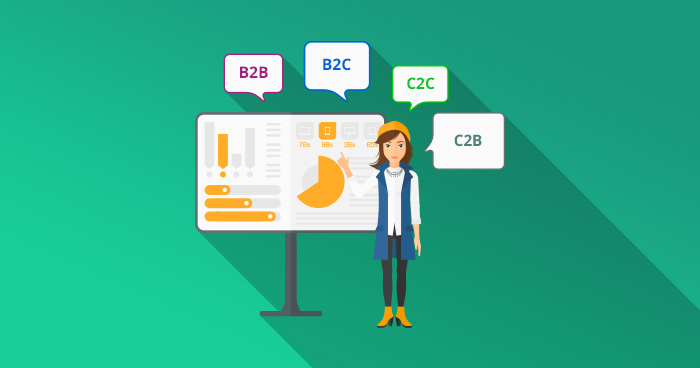
6 Types of Ecommerce Business Models To Drive Results (2022)

The E-commerce business model is rapidly gaining popularity in today’s digital age, and it has become an essential aspect of the modern marketplace.

With the increasing demand for online shopping and the growth of social media platforms, E-commerce has become an attractive and lucrative option for businesses of all sizes.
E-commerce businesses operate in a virtual environment, selling products or services online through a website or social media platforms.

This business model eliminates the need for a physical storefront, reducing overhead costs and increasing profit margins.

However, E-commerce businesses still require a strategic marketing plan to attract and retain customers, and that’s where Facebook Ads Account Management comes in.
Performing a Facebook Ads Account Management Client Brief for E-commerce businesses requires:

  • A deep understanding of the business’s objectives, target audience, and marketing strategies.
  • The Facebook Ads Account Manager needs to develop a comprehensive plan that includes ad campaigns, ad types, ad formats, and targeting options that resonate with the target audience.
  • Facebook Ads Account Management for E-commerce businesses is focused on driving traffic to the website, increasing conversions, and boosting sales.
  • The Ads Account Manager must analyze the audience’s behavior, demographics, and interests to optimize ad campaigns and ensure maximum ROI.

Startups and small businesses can also benefit from Facebook Ads Account Management. Facebook Ads are an affordable and effective way for small businesses to reach their target audience and compete with larger businesses.

The Ads Account Manager can help startups and small businesses develop a strong brand identity, build customer relationships, and increase sales.
Understanding the E-commerce business model is crucial for effective Facebook Ads Account Management. The Ads Account Manager needs to have a deep understanding of the business’s objectives, target audience, and marketing strategies.

By developing a comprehensive plan that resonates with the audience, the Ads Account Manager can help E-commerce businesses, startups, and small businesses achieve their marketing goals and boost sales.

Analyzing E-commerce Products and Services

One of the key elements to creating a successful Facebook Ads campaign for an e-commerce business is analyzing the products and services that the business offers. This is important because it helps you determine the target audience for the ads, as well as the type of ad that will be most effective in promoting the products or services.
When analyzing e-commerce products and services, it is important to start by looking at the target audience.

  • Who is the ideal customer for the business?
  • What are their interests, needs, and pain points?

Understanding the target audience will help you create ads that are targeted and effective.
Next, it is important to analyze the products and services that the business offers.

  • What sets them apart from competitors?
  • What are the unique features and benefits of each product or service?

This information will help you create ad copy that highlights the unique selling points of each product or service.
It is also important to analyze the pricing of the products or services.

  • Are they priced competitively?
  • Are there any promotions or discounts that can be offered to attract customers?

This information will help you create ads that focus on the value proposition of the products or services.
When analyzing e-commerce products and services, it is also important to consider the customer journey.

  • What is the typical customer journey for the business?
  • How can Facebook Ads be used to target customers at each stage of the journey, from awareness to purchase?

Finally, it is important to analyze the competition.

  • What are the competitors doing in terms of Facebook Ads?
  • What type of ads are they running?
  • How can the business differentiate itself from the competition in its Facebook Ads?

By analyzing e-commerce products and services, you can create targeted, effective Facebook Ads that attract and convert customers. This is an essential part of Facebook Ads account management for e-commerce businesses, startups, and small businesses.

Setting Up the Facebook Ads Account for E-commerce

How To Sell With Facebook Commerce Manager In 2020

In today’s digital age, e-commerce businesses are thriving, and Facebook Ads are one of the most effective ways to reach potential customers. However, setting up a Facebook Ads account for e-commerce can be a daunting task. In this subchapter, we will guide you on how to set up your Facebook Ads account for e-commerce businesses.

Step 1: Create a Facebook Ads Account

The first step is to create a Facebook Ads account. To do this, go to Facebook Ads Manager and click on the “Create Account” button. Fill in your business details and follow the prompts to create your account.

Step 2: Set Up Your Payment Method

Once your account is created, the next step is to set up your payment method. Facebook Ads offers several payment options, including credit card, PayPal, and direct debit. Choose the payment method that suits your business needs and enter your payment details.

Step 3: Create Your Ad Account

After setting up your payment method, the next step is to create your ad account. Click on the “Ad Account Settings” button and choose the “Create Ad Account” option. Fill in your business details, including your business name, time zone, and currency. Once done, click on the “Create Ad Account” button.

Step 4: Install Facebook Pixel

Facebook Pixel is a piece of code that allows you to track user behavior on your website. It helps you to optimize your ads for conversions and retarget users who have previously visited your website. To install Facebook Pixel, go to the “Pixels” tab in your ad account and follow the prompts to install the code on your website.

Step 5: Create Your First Ad Campaign

The final step is to create your first ad campaign. Choose the objective of your campaign, such as traffic, conversions, or engagement. Set your budget, targeting options, ad format, and creative, and launch your campaign.
Setting up a Facebook Ads account for e-commerce businesses requires careful planning and execution. By following the steps outlined in this subchapter, you can create a successful Facebook Ads account that generates high-quality traffic and conversions for your e-commerce business.

Creating a Facebook Ads Campaign for E-commerce

Facebook is the world’s largest social media platform with over 2 billion active users, making it a powerful tool for businesses to reach their target audience. With its vast reach, Facebook Ads is an ideal platform for e-commerce businesses to advertise their products and services.
Creating a Facebook Ads campaign can be a daunting task, but with the right strategy and approach, it can be a game-changer for your business. In this subchapter, we will discuss the steps you need to follow to create a successful Facebook Ads campaign for your e-commerce business.

1. Define your campaign objectives

The first step in creating a Facebook Ads campaign is to define your campaign objectives. What do you want to achieve with your campaign? Is it to increase sales, generate leads, or build brand awareness? Defining your campaign objectives will help you tailor your ads and target the right audience.

2. Identify your target audience

The success of your Facebook Ads campaign depends on your ability to reach the right audience. You need to identify your target audience based on demographics, interests, behaviors, and location. Facebook’s targeting options allow you to reach a specific group of people who are most likely to be interested in your products or services.

3. Create compelling ad creatives

Your ad creatives are the most critical element of your Facebook Ads campaign. You need to create compelling ad creatives that grab your audience’s attention and encourage them to take action. Use high-quality images and videos, catchy headlines, and clear calls to action to make your ads stand out.

4. Optimize your landing pages

Your landing pages play a crucial role in converting your Facebook Ads traffic into customers. You need to create landing pages that are optimized for conversions. Use clear and concise messaging, high-quality images or videos, and a strong call-to-action to increase your chances of converting your Facebook Ads traffic.

5. Monitor and optimize your campaign

Once your campaign is live, you need to monitor its performance and make adjustments to optimize its performance. Use Facebook Ads Manager to track your ad spend, clicks, conversions, and other metrics. Use the data to identify areas of improvement and make adjustments to your campaign to improve its performance.
Creating a Facebook Ads campaign for your e-commerce business can be a powerful tool for reaching your target audience and driving sales. By following the steps outlined in this subchapter, you can create a successful Facebook Ads campaign that delivers results for your business.

Monitoring and Optimizing the Facebook Ads Campaign for E-commerce

The Facebook 20% Text Rule: Why Your Ads Might Not Be Running

E-commerce businesses today rely heavily on Facebook advertising to reach their target audience and drive sales. However, simply creating a Facebook ad campaign is not enough to guarantee success. Regular monitoring and optimization of the campaign are essential to ensure that the ads are reaching the right people and generating the desired results.
Here are some key steps to monitoring and optimizing a Facebook Ads campaign for e-commerce:
1. Set clear goals and KPIs: Before launching a Facebook ad campaign, it is important to set clear goals and key performance indicators (KPIs) to measure success. These could include metrics such as click-through rates, conversion rates, return on ad spend, and cost per acquisition.
2. Monitor performance regularly: Once the campaign is live, it is important to monitor its performance regularly. This includes tracking KPIs, analyzing ad engagement, and identifying any areas for improvement.
3. Adjust targeting and ad creative: Based on the performance data, it may be necessary to adjust the targeting and ad creative to better reach the desired audience and generate more conversions. This could involve tweaking the audience demographics or interests, changing the ad copy or imagery, or testing different ad formats.
4. Test and optimize: A/B testing is a valuable tool for optimizing Facebook ad campaigns. By testing different variables such as ad copy, imagery, and targeting, businesses can identify which variations perform best and optimize their campaigns accordingly.
5. Continuously refine and improve: E-commerce businesses should view Facebook ad campaigns as an ongoing process of refinement and improvement. By continuously monitoring and optimizing campaigns, businesses can ensure that their ads are always reaching the right people and generating the desired results.
Monitoring and optimizing a Facebook ad campaign is essential for e-commerce businesses looking to drive sales and reach their target audience.

By setting clear goals and KPIs, monitoring performance regularly, adjusting targeting and ad creative, testing and optimizing, and continuously refining and improving, businesses can ensure that their Facebook ad campaigns are always effective and generating a positive return on investment.

We offer a range of services to give your business an online presence, allowing you to focus your time and energy on the rest of your company, contact us at MySalesScript.com.

The post Facebook Ads Account Management appeared first on MySalesScript.


https://www.smokeylemon.com/assets/blog-images/FB-business-manager-set-up.png
https://www.mysalesscript.com/facebook-ads-account-management/?utm_source=rss&utm_medium=rss&utm_campaign=facebook-ads-account-management


Tuesday, 28 March 2023

Adding Google Ads Global Site Tag to a site (using GTM)

Adding Google Ads Global Site Tag to a site (using GTM)

The Global Site Tag (GTS) is a powerful tool that enables website owners to track their website’s performance and measure the effectiveness of their marketing campaigns. As a website owner, it is crucial to implement the GTS to ensure that you are getting the best results from your advertising efforts.

Importance of implementing the Global Site Tag

One of the most significant benefits of implementing the GTS is that it allows you to track conversions accurately. Conversions refer to the specific actions that users take on your website, such as purchasing a product, filling out a form, or subscribing to a newsletter. These actions are essential to the success of your business, and tracking them is crucial to understanding how your website is performing.
By implementing the GTS, you can track conversions across multiple devices and platforms, giving you a comprehensive view of your website’s performance. This information is invaluable in helping you identify areas where you can improve your website and marketing campaigns.
Another critical benefit of implementing the GTS is that it allows you to create custom audiences based on user behavior. Custom audiences are groups of users who have taken specific actions on your website, such as making a purchase or filling out a form. By creating custom audiences, you can target these users with specific marketing messages and promotions, increasing the likelihood that they will convert.
Implementing the GTS is also essential for e-commerce websites. By tracking user behavior and conversion data, you can optimize your product listings, improve your checkout process, and identify areas where you can increase sales. Additionally, the GTS allows you to track revenue data, giving you a complete picture of your website’s financial performance.
In conclusion, implementing the Global Site Tag is critical for any website owner who wants to get the most out of their marketing campaigns. By accurately tracking conversions, creating custom audiences, and optimizing your website’s performance, you can increase your online visibility, improve your ROI, and grow your business.Benefits of using GTM for the implementation
Benefits of using GTM for the implementation
If you’re looking to implement Google Ads Global Site Tag (GTag) on your website or e-commerce site, using Google Tag Manager (GTM) can make the process much easier and more efficient. Here are some of the key benefits of using GTM for GTag implementation:
1. Streamlined implementation process
Using GTM allows you to implement GTag on your site with just a few clicks, without having to edit any code. This can save you a lot of time and effort compared to manually editing your site’s code.
2. Improved tracking accuracy
By using GTM, you can ensure that your GTag implementation is accurate and consistent across your site. GTM provides a centralized location for managing all your tracking tags, which can help prevent tracking errors and discrepancies.
3. Greater flexibility and control
GTM gives you greater control over how and when your GTag tracking is implemented on your site. You can set up triggers and variables to control when specific tags fire, and even create custom tags to track specific actions or events on your site.
4. Easy testing and debugging
With GTM, you can easily test and debug your GTag implementation before going live. GTM includes a preview mode that allows you to test your tracking tags in a safe, sandboxed environment, without affecting your live site.
5. Integration with other marketing tools
GTM integrates with other marketing tools, such as Google Analytics and Google Ads, allowing you to easily track and analyze your site’s performance. This can help you make data-driven decisions and optimize your marketing campaigns for better results.
In summary, using GTM for GTag implementation offers numerous benefits, including streamlined implementation, improved tracking accuracy, greater flexibility and control, easy testing and debugging, and integration with other marketing tools. Whether you’re adding GTag to a standard website or an e-commerce site, GTM can make the process easier and more efficient, while helping you get better results from your marketing efforts.

Understanding Google Ads Global Site Tag
What is the Global Site Tag?
The Global Site Tag (GTS) is a snippet of code that helps track user behavior and conversions on your website. This tag is essential for any website that wants to run Google Ads campaigns, as it allows advertisers to measure the effectiveness of their ads and optimize their campaigns accordingly.
The GTS code is a piece of JavaScript that is placed on every page of your website. This code sends information about user behavior, such as page views, clicks, and conversions, to the Google Ads platform. By analyzing this data, advertisers can understand how users interact with their website and make data-driven decisions about their advertising strategies.
In addition to tracking user behavior, the GTS also enables advertisers to track conversions. Conversions are actions that users take on your website that are valuable to your business, such as completing a purchase, filling out a lead form, or subscribing to a newsletter. By tracking conversions, advertisers can measure the effectiveness of their ad campaigns and optimize them to drive more conversions.
To implement the GTS on your website, you can use Google Tag Manager (GTM). GTM is a free tool that allows you to add and manage marketing and analytics tags on your website without having to modify the website code directly. By using GTM, you can easily add the GTS code to your website and start tracking user behavior and conversions.
If you have an e-commerce website, it is especially important to implement the GTS. E-commerce websites have unique tracking needs, as they require tracking of product details, transaction values, and other e-commerce metrics. By implementing the GTS on your e-commerce website using GTM, you can ensure that you are tracking all of the necessary metrics to optimize your ad campaigns and drive more revenue.
In summary, the GTS is an essential tool for any website that wants to run Google Ads campaigns. By implementing the GTS using GTM, you can easily track user behavior and conversions on your website and make data-driven decisions about your advertising strategies. Whether you have a standard website or an e-commerce website, the GTS is a must-have for any advertiser looking to maximize the effectiveness of their ad campaigns.How does it work?
How Does It Work?
The Google Ads Global Site Tag is a powerful tool that allows website owners to track conversions, remarket to visitors, and optimize their ad campaigns. But how does it work, exactly?
At its core, the Google Ads Global Site Tag is a small piece of code that is added to the header of your website. This code is unique to your Google Ads account and allows Google to track user behavior on your site.
When a user lands on your site, the Global Site Tag fires and sends information about the user’s behavior back to Google. This information includes things like which pages the user visited, how long they stayed on each page, and whether or not they completed a conversion (such as making a purchase or filling out a form).
This data is incredibly valuable for optimizing your ad campaigns. By analyzing user behavior on your site, you can see which ads are driving the most traffic and which pages are converting the most users. You can also use this information to create custom audiences for remarketing campaigns.
Implementing the Google Ads Global Site Tag using Google Tag Manager (GTM) is a straightforward process. Once you have created your Google Ads account and set up your campaigns, you simply need to add the Global Site Tag code to the header of your website using GTM.
For e-commerce sites, there are a few additional steps you need to take. You will need to set up conversion tracking for your shopping cart and checkout pages, as well as create product-specific remarketing campaigns.
Overall, the Google Ads Global Site Tag is an essential tool for any website owner looking to optimize their ad campaigns and increase conversions. By tracking user behavior on your site and using this data to make informed decisions, you can ensure that your ad spend is being used effectively and efficiently.Different types of tags available
Different Types of Tags Available
When it comes to adding Google Ads Global Site Tag to your website or e-commerce site using Google Tag Manager (GTM), there are different types of tags available that you can use. These tags differ in their functionality and purpose, and it is important to understand them to make the most of your Google Ads campaigns.
Here are the different types of tags available:
1. Conversion Tracking Tag: This tag is used to track the number of conversions that occur on your website, such as when a user makes a purchase or fills out a form. It is a crucial tag to have as it allows you to measure the success of your advertising campaigns and optimize them for better results.
2. Remarketing Tag: This tag is used to track users who have visited your website and then left without making a purchase. It allows you to target these users with remarketing ads to encourage them to come back and complete their purchase.
3. Dynamic Remarketing Tag: This tag is similar to the Remarketing Tag, but it allows you to create ads that dynamically display the products or services that the user viewed on your website. This is a powerful way to remind users of what they were interested in and encourage them to come back and complete their purchase.
4. Floodlight Tag: This tag is used to track specific actions that users take on your website, such as when they add a product to their cart or complete a checkout. It is a more advanced tag that requires additional setup, but it provides detailed insights into user behavior and can help you optimize your campaigns for better results.
5. Google Analytics Tag: This tag is used to track user behavior on your website, such as pageviews, bounce rate, and time on site. It is a crucial tag to have as it provides valuable insights into user behavior that can help you optimize your website for better results.
In summary, there are different types of tags available when it comes to adding Google Ads Global Site Tag to your website or e-commerce site using GTM. Each tag serves a different purpose and provides valuable insights into user behavior that can help you optimize your campaigns for better results. By understanding these tags and how they work, you can make the most of your Google Ads campaigns and achieve your advertising goals.

Setting Up GTM for Global Site Tag Implementation
Creating a GTM account
Creating a GTM account is an essential step when it comes to adding Google Ads Global Site Tag to a website or e-commerce site. GTM (Google Tag Manager) is a free tool from Google that allows you to manage and deploy marketing and analytics tags (or snippets of code) on your website without having to modify the code directly.
To create a GTM account, you will need to follow these simple steps:
Step 1: Sign up for a GTM account
To sign up for a GTM account, you will need to have a Google account. If you don’t have one, you can create one for free. Once you have a Google account, go to the GTM website (https://tagmanager.google.com/) and click on the “Sign up for free” button. Follow the prompts to create your GTM account.
Step 2: Create a container
After signing up for a GTM account, you will need to create a container for your website. A container is a way to group together all the tags that you want to deploy on your website. To create a container, click on the “Create Container” button and enter the name of your website. You will also need to select the type of container you want to create (web or mobile).
Step 3: Install the GTM container code on your website
Once you have created your container, you will need to install the GTM container code on your website. The container code is a small snippet of code that you need to add to the header section of your website. You can find the container code in the GTM interface by clicking on the “Install GTM” button.
Step 4: Set up your tags
After installing the GTM container code on your website, you can start setting up your tags. Tags are snippets of code that you want to deploy on your website, such as the Google Ads Global Site Tag. To set up a tag, click on the “Tags” menu in the GTM interface and then click on the “New” button. Follow the prompts to set up your tag.
Step 5: Publish your container
Once you have set up your tags, you will need to publish your container to make the changes live on your website. To publish your container, click on the “Submit” button in the GTM interface and then click on the “Publish” button. Your tags will now be deployed on your website.
In summary, creating a GTM account is a simple process that allows you to manage and deploy marketing and analytics tags on your website without having to modify the code directly. By following the above steps, you can easily add the Google Ads Global Site Tag to your website or e-commerce site using GTM.Adding GTM code to the website
Adding GTM code to the website is an essential step in implementing Google Ads Global Site Tag using GTM. GTM, which stands for Google Tag Manager, is a free tool that helps you manage and deploy marketing tags, such as Google Ads Global Site Tag, on your website.
Before you can add the GTM code to your website, you need to create a GTM account and container. Once you have set up your GTM account and container, you can add the GTM code to your website by following these simple steps:
Step 1: Copy the GTM code
The first step is to copy the GTM code from your GTM container. To do this, log in to your GTM account, select your container, and click on the “Install Google Tag Manager” button. You will then be provided with the GTM code that you need to copy.
Step 2: Paste the GTM code onto your website
The next step is to paste the GTM code onto your website. Depending on the website platform you are using, you can add the code to either the head or body section of your website’s HTML code.
Step 3: Test the GTM code
Once you have added the GTM code to your website, it’s important to test it to ensure that it’s working correctly. You can do this by using the GTM Preview mode, which allows you to see how your tags are firing on your website.
Once you have successfully added the GTM code to your website, you can then start adding the Google Ads Global Site Tag to your site or e-commerce site using GTM. This involves creating a new tag in GTM and configuring it with your Google Ads conversion tracking code.
In conclusion, adding GTM code to your website is a crucial step in implementing Google Ads Global Site Tag using GTM. By following the simple steps outlined above, you can easily add the GTM code to your website and start using the powerful marketing capabilities of Google Ads Global Site Tag on your site or e-commerce site.Creating a container for Global Site Tag
Creating a container for Global Site Tag
Before we dive into the actual process of adding Google Ads Global Site Tag to your website or e-commerce site, it’s essential to understand the importance of creating a container for it.
A container is a collection of tags, triggers, and variables that can be used to manage all your tracking codes in one place. Using a container makes it easy to add, modify, or remove tags without having to touch the website’s code. It also ensures that all tags fire in the correct order and under the right conditions, reducing the risk of errors.
To create a container for Global Site Tag, you’ll need to use Google Tag Manager (GTM). GTM is a free tool that simplifies the process of adding tracking codes to your website or e-commerce site. Here are the steps to follow:
Step 1: Sign up for GTM
If you haven’t already, sign up for a GTM account by visiting tagmanager.google.com. Follow the prompts and accept the terms of service.
Step 2: Create a new container
Once you’ve logged in to GTM, click on the “Admin” tab and select “Create Account.” Fill in the required information, including the account name and website URL, and select “Web” as the platform.
Next, create a new container by clicking on the “Create Container” button. Give your container a name, select the appropriate time zone, and click on “Create.”
Step 3: Add Global Site Tag
To add Global Site Tag to your container, click on the “Tags” tab and select “New.” Choose “Google Ads Conversion Tracking” as the tag type and enter your Google Ads conversion ID and conversion label. You can find this information in your Google Ads account under “Tools & Settings” > “Conversions.”
Next, select the triggers that will fire your Global Site Tag. A trigger is a set of conditions that determine when a tag should fire. For example, you can set a trigger to fire when a user submits a form or makes a purchase. GTM offers several built-in triggers, or you can create your own custom trigger.
Step 4: Preview and publish
Before you publish your container, it’s essential to preview it to ensure that everything is working correctly. GTM offers a preview mode that allows you to test your container without affecting your live website.
Once you’ve confirmed that your container is working correctly, it’s time to publish it. Click on the “Submit” button, enter a version name and description, and select “Publish.”
Congratulations, you’ve successfully created a container for Global Site Tag! Now, whenever you want to add or modify your Global Site Tag, you can do it directly in GTM without having to touch your website’s code.

Adding Global Site Tag to a Website
Understanding the code structure
Understanding the Code Structure
In order to successfully implement the Google Ads Global Site Tag using GTM, it is important to understand the code structure. The global site tag is a JavaScript code that is placed on every page of your website. The code sends information about user behavior and conversions to Google Ads.
The global site tag code is made up of several components. These include the Google Ads conversion tracking code, the event snippet code, and the remarketing tag code.
The conversion tracking code is responsible for tracking user behavior on your website. This includes actions such as clicking a button, filling out a form, or making a purchase. The conversion tracking code sends this information to Google Ads, allowing you to track the effectiveness of your advertising campaigns.
The event snippet code is used to track specific events on your website. This can include things like video views, button clicks, and form submissions. By tracking these events, you can gain a better understanding of how users interact with your website.
The remarketing tag code is used to track users who have visited your website but have not made a purchase or converted. This allows you to target these users with targeted ads in the future, encouraging them to return to your website and complete a conversion.
In order to implement the global site tag using GTM, you will need to create a new tag within the GTM interface. This tag should include the global site tag code, as well as any additional code necessary to track specific events or conversions on your website.
Once the tag has been created, you will need to publish it to your website. This can be done using the GTM preview mode, which allows you to test the tag before publishing it to your live website.
In conclusion, understanding the code structure of the Google Ads Global Site Tag is essential for successfully implementing it using GTM. By understanding the different components of the code, you can create a tag that accurately tracks user behavior and conversions on your website. This will allow you to optimize your advertising campaigns and improve the overall performance of your website.Adding the Global Site Tag code to the website
Adding the Global Site Tag code to the website is the first step in implementing Google Ads Global Site Tag using GTM. The Global Site Tag is a powerful tool that allows you to track user behavior on your website and collect valuable data that you can use to optimize your Google Ads campaigns. In this subchapter, we will walk you through the process of adding the Global Site Tag code to your website.
Before we begin, it’s important to understand that the Global Site Tag code is a piece of JavaScript code that you will need to add to every page on your website. There are two ways to add the code to your website: manually or using GTM. If you are not familiar with coding, we recommend using GTM to add the code to your website.
To add the Global Site Tag code using GTM, follow these steps:
Step 1: Create a new tag in GTM
Log in to your GTM account and create a new tag. Select the “Google Ads Global Site Tag” option from the tag templates.
Step 2: Configure the tag
Configure the tag by adding your Google Ads conversion ID and conversion label. You can find this information in your Google Ads account under “Tools & Settings” > “Conversions.”
Step 3: Add the trigger
Add a trigger to your tag to determine when the tag should fire. We recommend using the “All Pages” trigger to ensure that the Global Site Tag code is added to every page on your website.
Step 4: Publish the tag
Publish the tag to your GTM container and test it to ensure that it is working correctly.
Once you have added the Global Site Tag code to your website, you will be able to track user behavior on your website and collect valuable data that you can use to optimize your Google Ads campaigns. This data includes information about user demographics, interests, and behaviors, as well as conversion tracking data that can help you measure the effectiveness of your campaigns.
In conclusion, adding the Global Site Tag code to your website is a crucial step in implementing Google Ads Global Site Tag using GTM. By following the steps outlined in this subchapter, you can ensure that the code is added correctly and that you are able to collect valuable data that can help you optimize your Google Ads campaigns.Verifying the implementation using Tag Assistant
Verifying the Implementation Using Tag Assistant
After implementing Google Ads Global Site Tag (Gtag) using Google Tag Manager (GTM), it is crucial to verify the implementation to ensure that the tag is working correctly. Verification is essential to avoid any technical glitches that may lead to inaccurate data collection or poor campaign performance.
One of the most reliable tools for verifying the implementation of Google Ads Global Site Tag is Tag Assistant. Tag Assistant is a free Chrome extension that helps you troubleshoot and verify the implementation of various Google tags, including Google Ads Global Site Tag.
To verify the implementation using Tag Assistant, follow these steps:
1. Install the Tag Assistant Chrome extension: To use Tag Assistant, you must first install the extension on your Chrome browser. You can download the extension from the Chrome Web Store for free.
2. Enable Tag Assistant: Once the extension is installed, enable it by clicking on the Tag Assistant icon in your browser’s toolbar.
3. Navigate to your website: Go to the page where you implemented the Google Ads Global Site Tag using GTM. Ensure that the page is fully loaded before proceeding to the next step.
4. Run a scan: Click on the Tag Assistant icon and select “Enable Recording” from the drop-down menu. Tag Assistant will start scanning your website for any Google tags, including Google Ads Global Site Tag.
5. Verify the implementation: Once the scan is complete, Tag Assistant will display a report that shows the status of the Google Ads Global Site Tag implementation. If the implementation is correct, Tag Assistant will show a green checkmark. If there are any issues, Tag Assistant will display an error message along with suggestions for fixing the problem.
By using Tag Assistant to verify the implementation of Google Ads Global Site Tag, you can ensure that your tag is working correctly and that your campaign data is accurate. Additionally, if there are any issues with the implementation, Tag Assistant provides suggestions for resolving the problem, making it a valuable troubleshooting tool for any website owner or marketer.

The post Adding Google Ads Global Site Tag to a site (using GTM) appeared first on MySalesScript.


https://ifttt.com/images/no_image_card.png
https://www.mysalesscript.com/adding-google-ads-global-site-tag-to-a-site-using-gtm/?utm_source=rss&utm_medium=rss&utm_campaign=adding-google-ads-global-site-tag-to-a-site-using-gtm

Saturday, 25 March 2023

Set up an amazing welcome email with MailChimp

Set up an amazing welcome email with MailChimp

Welcome emails can be the best way to make an excellent impression with brand-new clients and also clients. With MailChimp, you can quickly set up an incredible welcome email that will certainly aid you in producing a lasting partnership with your clients. So allows start– it’s time to craft the perfect welcome email! This overview will show you how to develop an attractive welcome email using MailChimp’s user-friendly devices and features. We’ll likewise discuss the crucial elements of a beautiful welcome email and offer some pointers and the finest methods to ensure your welcome emails succeed.

What Are Welcome Email Projects?

An email campaign is a sequence of messages that you can automate, so they’re sent out at specific times. For instance, you can produce a welcome email that individuals will solve after subscribing or signing up for your WordPress.com website. Then you can produce a message that individuals will certainly get one day after registering and one more that gets delivered the day afterward.

Right here’s an example of a welcome email that tells viewers to anticipate added messages in the following few days:

By sending numerous onboarding messages, you enhance the chance that individuals will want to open them to discover more about your organization. Additionally, customers will get utilized to seeing your messages in their inboxes.

There’s no hard and fast rule concerning the number of emails that make up a campaign. You can have a welcome email campaign two messages long or an entire collection covering days. The only caution is that your welcome project needs to supply worth. Otherwise, clients might delete your emails without

Why are welcome emails important?

The Importance Of Welcome Emails | Best landing pages, Welcome emails ...

Welcome emails are a fundamental part of the consumer journey. They supply brand-new clients with a cozy and pleasant intro to your organization, showing them you value their interest in your company. With an efficient welcome email, you can immediately create a solid link with your clients, setting the stage for a lasting partnership.

What should be consisted of in a welcome email?

How to write a Welcome page on your school website

When crafting your welcome email, it must consist of all the critical elements that will undoubtedly make it effective. Your welcome email should include a personalized welcome, an intro to your company, item offerings, links to helpful material such as tutorials or FAQs, social media site links, and a call-to-action (CTA). Furthermore, you can include motivations such as price cuts or exclusive offers to motivate consumers to engage with your company.

Exactly how to develop a welcome email in MailChimp?

To get started, go to your MailChimp account and click on the “Projects” tab at the top of the page. Next, choose “Create Project” and afterward select either “Email” or “Automated.” For this guide, we’ll focus on the “Email” option.

You’ll be asked to enter your campaign title and a summary of this email on the following web page. This is where you should include the critical elements of your welcome email, such as a tailored welcome and an intro to your business.

When you finish that, click “Next” and select the target market you wish to email. You can either choose an existing checklist of clients or produce a new one.

Next, you’ll be taken to the email designer, where you can tailor your welcome email. Below, you can upload photos, add text, and include web links to your social media site pages and other handy material. When you’re done creating your email, click “Save & Close” to evaluate and send your welcome email.

Tips and finest practices

To ensure your welcome email is successful, there are some pointers and ideal methods you need to comply with:

  1. Ensure consistency of a personalized greeting in each email to ensure that customers feel like you’re talking straight to them.
  2. Use enticing visuals like photos and GIFs to capture their focus and make your email more attractive.
  3. Include a CTA so that subscribers are motivated to take action.

Your welcome email is a vital part of the customer journey, and you must make it as effective as possible. With MailChimp, you can quickly produce a great welcome email and obtain the desired results from your customers. Please adhere to the action in this overview and use our pointers and ideal practices to guarantee your welcome emails succeed.

When crafting a successful welcome email, it is essential to maintain your target market in mind. You want to see that you’re giving your clients something beneficial and appealing, not simply a generic message. Ask yourself what would undoubtedly be most exciting and beneficial to them. Please think of the content that will be useful for them and customize it appropriately.

Include an eye-catching call to action. This will undoubtedly motivate the viewers to take action and get involved with your firm further.

Ultimately, keep your welcome emails succinct. You should supply your vital message swiftly and efficiently so readers feel energized and confident.

When crafting a successful welcome email, it is essential to make sure that the message is tailored to each specific visitor. Please include their name or other information in the message to ensure that they know you’re talking straight to them. Additionally, concentrate on providing helpful details such as tutorials and FAQs. This will ensure the reader can swiftly find what they require and obtain the most out of your welcome email.

Let’s add some more details

STEP 1: Set Up a Welcome Email Automation with MailChimp

The first step in creating an incredible welcome email is establishing automation in MailChimp. To do this, log into your MailChimp account, click the “Automation” tab, and choose “Invite Collection.” This will undoubtedly open a new window where you can get the information in your welcome email.

Beginning by creating an account on MailChimp: If you still need to, produce a complimentary MailChimp account. This will give you accessibility to all of MailChimp’s excellent devices and features, which you’ll need to develop your welcome email.

STEP 2: Layout Your Welcome Email

Once you have selected the welcome series choice, it’s time to make your welcome email. Here, you’ll choose the look of your message, including font selection, shades, pictures, and much more.

Choose a theme: Once you’ve developed an account, it’s time to select the perfect design template for your welcome email. MailChimp uses various themes, so take a while to explore them and locate one that fits your style and brand name identity.

STEP 3: Compose Engaging Web Content

Now that you have the appearance of your welcome email cared for, it’s time to begin writing the content. Remember that your goal is to make a long-lasting impression with your subscribers, so see your message is involved and helpful. Begin by introducing yourself and briefly describing what your company does. Then, explain why your clients should be delighted regarding receiving your emails. Ultimately, offer a clear phone call to activity that encourages readers to take the next step.

STEP 4: Include signup types

Add a form to ensure people can register for your welcome email. MailChimp makes this very easy– head to their Forms tab and pick from their many themes.

STEP 5: Check it out

Before sending your welcome email to your clients, check it out initially. Send yourself an examination email and make sure whatever looks good. When you are more than happy with the results, you can send your welcome email bent on your subscribers!

STEP 6: Examination as well as Screen Your Welcome Email

When you have crafted the best welcome email, it’s time to check it out before sending it off to your subscribers. To do this, you can use MailChimp’s preview attribute or send out a test email to yourself. Then, monitor the efficiency of your welcome email utilizing MailChimp’s reporting functions. This will help you recognize any areas requiring enhancement and make changes accordingly. As soon as you’re happy with the outcomes, you can send your message bent on your whole listing.

Before sending out your welcome email, ensuring that everything looks as well and functions as anticipated, is essential. Test out any links in the email and ensure they take people to the ideal page. After that use, MailChimp’s sneak peek device to understand precisely how the email will undoubtedly view various tools.

STEP 7: Send it off

Once you’ve settled your welcome email, it’s time to send it off! MailChimp makes this procedure easy– all you need to do is click the “Send” button, and your welcome email will undoubtedly be sent to your subscribers.

Following these steps will undoubtedly aid in ensuring that your welcome emails achieve success and interest for your subscribers. With an excellent welcome email, you can start developing connections with your customers that will certainly last for years.

STEP 8: Display and assess

After you’ve sent your welcome email, you must keep an eye on and assess it. Check your email analytics to see the number of individuals who opened your welcome email and what they did after reading it. This will help you understand your welcome email’s reliability and make any essential modifications for future emails.

STEP 9: Make Use Of Split Testing

Once you have established your welcome email and prepared to go, it’s time to use MailChimp’s split testing attribute. First, choose MailChimp’s “split examination” choice and adhere to the instructions. This permits you to check various versions of your email against each other to establish which one does far better. This is an excellent means to optimize your emails and guarantee they are as effective as possible.

STEP 10: Screen as well as Analyze Your Results

Once you have your welcome email out worldwide, it’s time to start keeping an eye on and also examining the results. With MailChimp, you can track opens up, clicks, and unsubscribes, as well, more effortlessly. This will certainly show you how reliable your message is and enable you to make any required modifications or renovations. You can likewise see thorough reports that will help you determine fads and make better choices in the future.

STEP 11: Refine Your Message With Time

As your company expands, so will need your welcome emails. As you get extra experience and understand your customers’ behavior, you can utilize this knowledge to refine and enhance your message over time. Try different variations of your welcome email or experiment with brand-new copywriting methods. Testing and examining the efficiency of your emails will undoubtedly aid you in ensuring that they are as effective as possible.

STEP 12 :Include a personal touch

Remember to include a personal touch in your welcome email! Add an exciting subject line, a short biography concerning yourself, and also a personalized message to make your subscribers feel invited.

Now that you understand how to establish an excellent welcome email with MailChimp, begin crafting the ideal message for your clients today! With these actions, you can develop an unforgettable and effective welcome email that will certainly assist you in building enduring connections with your subscribers.

STEP 13:  Display and enhance

Monitoring and boosting them in time is essential to guarantee that your welcome emails succeed. Look at the analytics of each send-out and make any required modifications to raise available prices and keep subscribers involved.

STEP 14: Use automation

MailChimp also provides powerful tools for automating your welcome email series. With automation, you can send various welcome emails per brand-new client, guaranteeing that every person gets the right message at the correct time.

STEP 15. Include motivations

A terrific way to motivate individuals to review your welcome email is to include motivations. Deal price cuts, cost-free trials, or unique web content for those who check out and engage with your welcome email. This will undoubtedly assist you in building a link with your customers and increase interaction rates.

STEP 16. Section clients

To ensure that your clients are getting the most pertinent content for them, use MailChimp’s division function. This permits you to split your list into groups based on interests, area, or other requirements and send tailored emails per team.

Best examples of welcoming emails

1. Hi.

Invite our community! We are delighted to have you join us and can’t wait for you to start exploring all our great features.

We understand that the beginning can be overwhelming, so we are giving you a few quick pointers on how to get the most out of your experience.

Ensuring that you properly adhere to all the instructions is a fantastic way to get the most out of your experience.

Could you take advantage of our sources? We have many sources offered for participants, from tutorials to help records and more. Make sure to make the most of these, as they can be instrumental!

Involve various other individuals. Feel free to ask concerns or share your ideas. We have a vibrant and helpful neighborhood that’s constantly delighted to help however they can.

We hope that our customers will enjoy the experience!

Thank you,

2. Hi there

Welcome to our family! We’re so happy that you have decided to join us, and we can not wait for you to get going. With us, you’ll discover a lot of unique functions designed to make your experience as smooth as feasible.

Below are a few tips to aid you in rising and running.

  • Make sure you check out the guidelines meticulously. This is essential to obtain one of the most out of your experience.
  • Could you take advantage of our sources? We have many handy guides and tutorials to help you get started. Be sure to check them out!
  • Involve various other customers. Don’t hesitate to ask inquiries or share your thoughts. There are helpful people in our community who will be available to answer your questions.

It’s essential to ensure you comply with all the guidelines correctly to get the best experience.

  • Explore our functions. We have a range of attributes made to make your experience with us much more pleasurable. Spend time discovering these and seeing which ones work best for you!
  • Get in touch with other participants. Taking part in discussion forums, joining teams, and obtaining associated with the neighborhood is a beautiful means to see your experience with us as fulfilling as feasible.
  • We’re excited to have you below and hope you enjoy your time with us!

Thanks.

Bottom-line

By adhering to these steps and utilizing MailChimp’s devices, you can develop an outstanding welcome email that will help you construct relationships with your customers and create more sales. So start today, as well as begin crafting the ideal welcome email!

Frequently asked questions

Q: What is a welcome email?

A: A welcome email automatically sends out to brand-new clients when they join your newsletter. It generally includes information regarding your organization, instructions on utilizing your items, and other helpful information.

As pointed out earlier, it is necessary to ensure you follow all the guidelines correctly to obtain the most out of your experience. Be sure to review any aid records or tutorials that are readily available and take advantage of any sources that we have for participants.

Involve other users. Be bold and participate in discussions as well as ask questions. We have a vivid neighborhood made up of helpful and pleasant people who are always happy to help out however they can!

Q: Why you need a welcome email for your subscriber list.

A: A welcome email is an essential tool for any subscriber list. It offers a beautiful chance to present on your own and your business, construct relationships with your subscribers, and boost interaction with your web content. It also works as a beautiful method to guide clients to other valuable resources, such as tutorials or aid papers.

It’s essential to review and comprehend all instructions or tutorials offered to ensure you obtain the best experience.

Make use of sources. Our sources are created to offer valuable guidance and ideas when using our services, so ensure to maximize them.

Involve various other members. Participating in conversations, signing up with groups, and obtaining inclusion from the community are excellent ways to ensure your experience with us is as pleasurable and satisfying as possible.

Q:How to Produce an A/B Test on Mailchimp.

A:To establish an A/B Examination, pick the ‘Produce’ tab and click ‘A/B test’ in the ‘Email’ sub-food selection. You’ll then be motivated to name your email campaign, after which you can choose ‘Begin.’.

Just like when creating a standard email, pick the listing or section to which you will send your project. Hereafter factor, however, points will undoubtedly start to look various.

In the ‘Test Setup’ section, you will undoubtedly be prompted to enter both versions of your email campaign that you would love to test. Please make sure to follow all directions and demands for every variation for it to be reliable.

Creating a successful email outreach campaign for sales requires careful planning, personalization, clear messaging, regular follow-up, and continuous optimization. By following these principles, you can generate more leads, nurture your prospects, and close more deals.

We offer a range of services to give your business an online presence, allowing you to focus your time and energy on the rest of your company, contact us at MySalesScript.com.

Read more: Upsell Scripts For Your Ecommerce Store That Work
Read more: The Complete Guide To Phone Call Scripts: How To Use Them In Your Business
Read more: 
Creating An Engaging Video Sales Letter

The post Set up an amazing welcome email with MailChimp appeared first on MySalesScript.


https://th.bing.com/th/id/OIP.AGmLqOfhnTBeXmTnhlZbiwHaDt?pid=ImgDet&rs=1
https://www.mysalesscript.com/set-up-an-amazing-welcome-email-with-mailchimp/?utm_source=rss&utm_medium=rss&utm_campaign=set-up-an-amazing-welcome-email-with-mailchimp

Thursday, 23 March 2023

Create an email outreach campaign(part 2)

Create an email outreach campaign(part 2)

Emails are an incredibly powerful way to nurture leads and build relationships with potential customers. However, simply sending out a few generic emails won’t cut it.

To truly be effective, your email outreach campaign needs to be tailored to the needs and interests of your target audience.
Here are a few tips to help you create an effective email nurturing campaign:

1. Segment your email list

One of the most important things you can do is segment your email list based on the needs and interests of your subscribers. This will allow you to send targeted emails that are more likely to resonate with your audience.
For example, if you’re promoting an event, you might want to segment your list based on geography, interests, or industry. This will allow you to send targeted emails that are more likely to result in ticket sales.

2. Personalize your emails

Personalization is key when it comes to effective email nurturing. Research has shown that personalized emails have higher open and click-through rates than generic emails.
To personalize your emails, you might use the recipient’s name, mention a recent interaction or purchase, or use data from their behavior on your website or social media channels.

3. Use a drip campaign

A drip campaign is a series of automated emails that are sent out over a period of time. This can be an incredibly effective way to nurture leads and move them closer to a sale.
For example, you might send a welcome email when someone signs up for your email list, followed by a series of emails that provide value, answer common questions, and build trust.

4. Provide value

One of the most important things you can do in your email nurturing campaign is to provide value to your subscribers. This might include educational content, exclusive offers, or helpful resources.
By providing value, you’ll build trust with your subscribers and increase the likelihood that they’ll ultimately make a purchase.

Analyzing and measuring the success of lead-generation emails

Analyzing and measuring the success of lead-generation emails is crucial in determining the effectiveness of your email outreach campaign. It is not enough to just send out emails and hope for the best. You need to have a clear understanding of how your emails are performing and what changes you need to make to improve your results.
One of the most important metrics to track is your open rate. This tells you how many people are actually opening and reading your emails.

  • A low open rate could indicate that your subject lines are not compelling enough, or that your emails are going to spam folders.
  • To improve your open rate, consider A/B testing different subject lines and make sure your emails are properly formatted and optimized for all devices.
  • Another important metric to track is your click-through rate (CTR).
  • This tells you how many people are clicking on the links within your emails. A low CTR could mean that your calls to action (CTAs) are not clear or not enticing enough.
  • To improve your CTR, make sure your CTAs are prominently displayed and offer a clear value proposition for your audience.
  • You should also track your conversion rate, which tells you how many people are taking the desired action after clicking on your CTAs.
  • This could be filling out a form, downloading a whitepaper, or making a purchase.
  • A low conversion rate could indicate that your landing pages are not optimized or that your offers are not compelling enough.
  • To improve your conversion rate, consider A/B testing different landing pages and offers to see what resonates with your audience.

Finally, you should track your overall ROI (return on investment) for your email outreach campaign.

  • This will help you determine whether your campaign is worth the time and resources you are investing in it.
  • To improve your ROI, consider segmenting your audience and personalizing your emails to better meet their needs and interests.
  • By analyzing and measuring the success of your lead-generation emails, you can make data-driven decisions and continuously improve your email outreach campaign for greater success.

Advanced Strategies for Email Outreach

Email outreach campaigns are an essential part of any sales strategy. They are an effective way to reach out to potential customers, promote events, and generate leads.

However, managing an email outreach campaign can be time-consuming and overwhelming.

That is where automation comes in. Automating your email outreach campaigns can save you time and effort while improving the effectiveness of your campaigns.

Read more: How to create Customer Outreach Email?

Here are some tips on how to automate your email outreach campaigns.

1. Use an Email Marketing Tool

There are many email marketing tools available that can help you automate your email outreach campaigns. These tools provide a range of features, such as email templates, scheduling, and tracking. Some popular email marketing tools include MailChimp, Constant Contact, and HubSpot.

2. Create Email Templates

Creating email templates can save you time when you are sending out multiple emails. Templates can be customized to suit different campaigns and target audiences. Templates can also be used to ensure consistency across your emails.

3. Use Personalization

Personalizing your emails can improve their effectiveness. Personalization can include using the recipient’s name, company name, or other relevant information. Personalized emails are more likely to be opened and read.

4. Schedule Emails

Scheduling emails can help you reach your target audience at the right time. Scheduling emails can also save you time and ensure that your emails are sent out consistently.

5. Track Results

Tracking the results of your email outreach campaigns can help you improve their effectiveness. Tracking can include monitoring open rates, click-through rates, and conversion rates. Tracking can also help you identify areas for improvement.

By following these tips, you can create a successful email outreach campaign for sales.

Personalization at Scale

One of the most important factors that determine the success of an email outreach campaign is personalization.

In today’s digital age, customers expect a personalized experience, and if your emails are not personalized, they are likely to be ignored or deleted.

  • Personalization is the key to building a relationship with your customers and creating trust.
  • However, personalization can be a challenge, especially when you are dealing with a large number of recipients. This is where personalization at scale comes in.
  • Personalization at scale is the process of creating personalized emails for a large number of recipients. It involves using data and automation to personalize each email based on the recipient’s preferences, behavior, and interests.
  • Personalization at scale can help you create a more engaging and effective email outreach campaign, which can lead to more sales and conversions.

Here are some tips for personalization at scale:

1. Segment your audience: The first step in personalization at scale is to segment your audience. You can segment your audience based on demographics, behavior, interests, and preferences. This will help you create more targeted and personalized emails.
2. Use data to personalize: Personalization at scale requires data. You can use data such as purchase history, browsing behavior, and email engagement to personalize each email. This can include using the recipient’s first name, recommending products based on their previous purchases, and sending personalized offers.
3. Automate your personalization: Personalization at scale requires automation. You can use email automation tools to personalize each email based on the recipient’s data. This can include setting up triggers for welcome emails, abandoned cart emails, and post-purchase emails.
4. Test and optimize: Personalization at scale requires testing and optimization. You can test different personalization strategies and optimize your emails based on the results. This can include A/B testing subject lines, email copy, and personalization elements.
Personalization at scale can help you create a more effective email outreach campaign. By segmenting your audience, using data to personalize, automating your personalization, and testing and optimizing your emails, you can create a personalized experience for each recipient.

This can lead to more sales, conversions, and customer loyalty.

A/B testing for Optimization

A/B testing is a method of comparing two versions of a web page or email campaign to determine the one that performs better.

In an email outreach campaign, A/B testing can be used to optimize the campaign to get the best results possible.

A/B testing is a powerful tool for sales professionals looking to create an effective email outreach campaign.

Here are some tips on how to use A/B testing to optimize your email outreach campaign for sales:

1. Identify Your Goals: Before you begin A/B testing, it is important to identify your goals. What do you want to achieve with your email outreach campaign? Do you want to generate more leads, increase sales, or promote an event? Once you have identified your goals, you can start creating A/B tests to achieve them.
2. Choose Your Variables: The next step is to choose your variables. What elements of your email outreach campaign do you want to test? You can test the subject line, the body copy, the call-to-action, the images, and more. Choose the variables that are most important to your goals.
3. Create Your Tests: Once you have identified your variables, you can start creating your tests. Create two versions of your email outreach campaign, with one variable changed in each version. For example, you can create two versions of your email with different subject lines.
4. Run Your Tests: Run your tests by sending each version of your email to a small group of your target audience. Monitor the results and see which version performs better. Once you have determined the winner, send that version to the rest of your target audience.

5. Analyze Your Results: Analyze your results to determine what worked and what didn’t. Use this information to optimize your future email outreach campaigns.

  • A/B testing is a powerful tool for sales professionals looking to create an effective email outreach campaign.
  • By identifying your goals, choosing your variables, creating your tests, running your tests, and analyzing your results, you can optimize your email outreach campaign to get the best results possible.
  • Whether you are creating an email outreach campaign for lead generation, event promotions, or sales, A/B testing can help you achieve your goals and reach your target audience more effectively.

The role of email outreach in account-based marketing

Email outreach is an essential aspect of account-based marketing, and it plays a significant role in driving sales and revenue growth.

It is a powerful tool that, when used effectively, can help businesses create targeted and personalized messages that resonate with their target audience.
Account-based marketing is a strategic approach that focuses on understanding the needs and interests of individual accounts and creating personalized messages that resonate with them.

Email outreach is an essential component of this approach, as it allows sales teams to deliver personalized messages to individual accounts that are tailored to their specific needs and interests.
One of the primary benefits of email outreach in account-based marketing is that it allows sales teams to build relationships with their target accounts.

By sending personalized messages that speak to the needs and interests of individual accounts, sales teams can establish themselves as trusted advisors and build rapport with their prospects.
Email outreach is also an effective way to generate leads and drive revenue growth. By targeting specific accounts with personalized messages that speak to their needs and interests, sales teams can increase the likelihood of converting those accounts into customers.

This is particularly true for event promotions, where email outreach can be used to invite prospects to attend events and connect with sales teams in person.
Finally, email outreach is an excellent way to measure the effectiveness of account-based marketing campaigns. By tracking email open rates, click-through rates, and response rates, sales teams can gain valuable insights into the effectiveness of their outreach campaigns and make adjustments as needed.

Integrating email outreach with other marketing channels

Email outreach is an effective way to reach out to potential clients and promote your products or services. However,

  • it should not be the only channel you use to reach out to your target audience. Integrating email outreach with other marketing channels can help you to increase your reach and improve your campaign’s success.
  • One way to integrate email outreach with other marketing channels is through social media. Social media platforms like Facebook, Twitter, and LinkedIn can help you to reach a larger audience and engage with potential clients.
  • You can use your email outreach campaign to drive traffic to your social media pages and vice versa.
  • By integrating these two channels, you can create a more holistic marketing approach that is more effective at reaching your target audience.
  • Another way to integrate email outreach with other marketing channels is through content marketing.
  • Content marketing involves creating valuable and informative content that your target audience will find useful.
  • This can include blog posts, infographics, videos, and more. You can use your email outreach campaign to promote your content and drive traffic to your website.
  • This can help you to establish yourself as an authority in your industry and build trust with potential clients.

Finally, you can integrate email outreach with other marketing channels by using paid advertising. Paid advertising can help you to reach a larger audience and drive more traffic to your website. You can use your email outreach campaign to promote your paid advertising campaigns and vice versa.

This can help you to create a more targeted and effective marketing approach that is more likely to convert potential clients into paying customers.
If you’re looking to create an email outreach campaign, email outreach for event promotions, or email outreach for lead generation, be sure to consider integrating your campaign with other marketing channels to maximize your results.

  • Best Practices for Email Outreach
  • Compliance with email marketing regulations
  • Compliance with email marketing regulations

Email marketing is a powerful tool for sales professionals seeking to connect with potential customers, promote events, and generate leads. However, it is essential to understand and comply with email marketing regulations to avoid penalties, lawsuits, and damage to your brand’s reputation.
Here are some of the regulations you need to be aware of when creating an email outreach campaign:

1. CAN-SPAM Act

The CAN-SPAM Act is a federal law that sets the rules for commercial email messages. It requires you to include an unsubscribe link in every email, identify the sender, provide a physical address, and avoid misleading subject lines and content.

2. GDPR

The General Data Protection Regulation (GDPR) is a European Union law that applies to any business that collects or processes the personal data of EU residents. It requires you to obtain explicit consent from individuals before sending them marketing emails, provide clear and concise information about your data collection and processing practices, and allow individuals to access, modify, or delete their data.

3. CASL

The Canadian Anti-Spam Legislation (CASL) is a law that regulates commercial electronic messages sent to Canadian recipients. It requires you to obtain consent from individuals before sending them marketing emails, identify the sender, provide a physical address, and include an unsubscribe link.

The importance of data privacy and security

In today’s digital age, data privacy, and security have become increasingly critical. It is essential to ensure that personal, sensitive, and confidential information is protected from unauthorized access, use, or disclosure. This is particularly important for businesses that handle customer data, including emails.
As a sales professional, you need to understand the importance of data privacy and security in your email outreach campaigns. You must take the necessary steps to protect your customers’ information, build trust, and maintain your reputation.
Data privacy refers to the protection of personal data, including email addresses, names, phone numbers, and other sensitive information. It involves the collection, use, storage, and sharing of data in a way that is lawful, ethical, and respectful of individuals’ rights.
Data security, on the other hand, is the protection of data from unauthorized access, theft, or destruction. It involves the use of encryption, firewalls, and other security measures to prevent data breaches and cyber-attacks.
Protecting your customers’ data should be a top priority in your email outreach campaigns. You must ensure that you are collecting only the necessary information and using it only for the intended purpose. You should also obtain consent from your customers before collecting their data and give them the option to opt out of your emails.
Additionally, you need to implement robust security measures to protect your customers’ data from cyber threats. This includes using secure email servers, encrypting your emails, and using two-factor authentication to prevent unauthorized access to your email accounts.
By prioritizing data privacy and security in your email outreach campaigns, you can build trust with your customers and protect your reputation. You can also comply with legal regulations, such as the General Data Protection Regulation (GDPR) and the California Consumer Privacy Act (CCPA), which require businesses to protect their customers’ data.

Avoiding common email outreach mistakes

When it comes to creating an email outreach campaign for sales, it’s easy to fall into the trap of making common mistakes. These mistakes can hinder your campaign’s success, and even worse, they can hurt your reputation with potential customers.
To avoid these pitfalls, it’s important to understand what they are and how to steer clear of them. 

1. Sending generic emails

One of the biggest mistakes you can make is sending generic, impersonal emails. These types of emails are likely to end up in the trash folder, and they won’t help you build a relationship with your prospects.
To avoid this mistake, take the time to personalize your emails. Use the recipient’s name, mention something specific about their business or industry, and make sure the content of your email is relevant to their needs.

2. Focusing on the sale, not the relationship

Another common mistake is focusing too much on the sale and not enough on building a relationship with your prospects. If your emails come across as too sales, you’ll turn people off and they’ll be less likely to engage with you.
Instead, focus on building a relationship with your prospects by providing value in your emails. Share industry insights, offer helpful tips, and demonstrate your expertise. When you do eventually make a sales pitch, it will be more effective because you’ve already established trust with your prospects.

3. Spamming your prospects

No one likes spam, and if you’re sending too many emails to your prospects, that’s exactly what you’re doing. This is a surefire way to get your emails marked as spam, which will hurt your deliverability rates and your reputation.
To avoid this mistake, be thoughtful about how often you’re emailing your prospects. Consider their needs and preferences, and tailor your email frequency accordingly. And always give them the option to opt out if they’re not interested in receiving your emails.

4. Not testing your emails

Finally, one of the biggest mistakes you can make is not testing your emails before you send them. If your emails are full of typos, broken links, or formatting issues, you’ll come across as unprofessional and careless.
To avoid this mistake, always test your emails before you send them.

Send them to yourself or a colleague first, and make sure everything looks and works as it should. And don’t forget to proofread!
By avoiding these common email outreach mistakes, you’ll be well on your way to creating a successful campaign that generates leads, builds relationships, and drives sales.

Building and maintaining a clean email list

Building and maintaining a clean email list is crucial for the success of any email outreach campaign, especially when it comes to sales, event promotions, and lead generation. A clean email list means that your emails are reaching the right people, and you’re not wasting your time and resources on sending emails to inactive or invalid email addresses.

So, how do you build and maintain a clean email list? Here are some tips:

1. Use a double opt-in process

When someone subscribes to your email list, send them a confirmation email asking them to confirm their subscription. This way, you can be sure that they really want to receive your emails, and you can avoid sending emails to invalid or fake email addresses.

2. Regularly clean your email list

Set a schedule to regularly clean your email list. Remove inactive subscribers who haven’t opened or clicked on your emails in a few months. This will help you maintain a high deliverability rate and avoid being marked as spam.

3. Segment your email list

Segmenting your email list means grouping your subscribers based on their interests, behaviors, or demographics. This way, you can send targeted and personalized emails that are more likely to be opened and clicked on.

4. Provide an easy opt-out option

Make sure that your emails include an easy opt-out option. This way, subscribers who are no longer interested in your emails can easily unsubscribe, and you can avoid being marked as spam.

5. Keep your email list up-to-date

Regularly update your email list with new subscribers and remove invalid or bounced email addresses. This will help you maintain a clean email list and avoid being marked as spam.

Tips for Increasing Email Deliverability

Email deliverability is the ability of an email to reach its intended recipient’s inbox. It is essential for the success of any email outreach campaign, especially for sales, event promotions, and lead generation. In this subchapter, we will discuss some tips for increasing email deliverability.

1. Use a professional email service provider (ESP)

Using a professional ESP like MySalesScript can help increase your email deliverability. These services have advanced tools that can help you maintain a good sender reputation, which is crucial for email deliverability.

2. Clean your email list regularly

A clean email list is a healthy email list. Regularly cleaning your email list can help you get rid of invalid email addresses, spam traps, and inactive subscribers. This will reduce your bounce rate and increase your email deliverability.

3. Get permission before sending emails

Getting permission before sending emails is crucial for email deliverability. Sending emails to people who haven’t opted-in can harm your sender’s reputation and result in emails being marked as spam.

4. Use a clear and concise subject line

A clear and concise subject line can help increase email open rates. Avoid using clickbaity subject lines or misleading statements, as this can harm your sender’s reputation and decrease email deliverability.

5. Personalize your emails

Personalizing your emails can help increase engagement and reduce the chances of them being marked as spam. Use the subscriber’s name, location, or any other information that can make the email feel more personalized.

6. Test your emails

Testing your emails can help identify any issues that might affect email deliverability. Test your emails on different email clients and devices to ensure they look good and function correctly.

Recap of Key Takeaways

Here are some of the key takeaways that can help you create an effective email outreach campaign:

1. Know Your Audience: Before you start drafting your email outreach campaign, it’s important to understand who you are targeting. This will help you tailor your message to meet their needs and interests.

2. Personalization: Your email should be personalized to make it relevant to the recipient. Use their name, mention something they have done, or talk about their interests. This will help you build a rapport with your audience.

3. Clear Call-to-Action: Your email should have a clear call-to-action that tells the recipient what you want

them to do next. Whether it’s to sign up for a webinar or schedule a call, make sure it’s easy for them to do so.

4. Subject Line: The subject line is the first thing that the recipient sees, and it determines whether they open your email or not. Make it compelling, personalized, and relevant to the recipient.

5. Timing: Timing is key when it comes to email outreach. You want to make sure that you send your email at a time when your audience is most likely to be checking their inbox.

6. Follow-Up: Follow-up is critical to the success of your email outreach campaign. If you don’t hear back from the recipient, send a follow-up email to remind them and reiterate the value of your offer.
For those looking to create an email outreach campaign for event promotions, it’s important to create a sense of urgency and exclusivity.

Use phrases like “limited time offer or “exclusive invite” to make the recipient feel special and encourage them to take action.
For those looking to create an email outreach campaign for lead generation, it’s important to focus on the benefits of your product or service. Use case studies, testimonials, and statistics to show the recipient how your product or service can help them solve their problem.
By following these key takeaways, you can create an effective email outreach campaign that engages your audience, builds trust, and ultimately drives sales.

Final thoughts on creating a successful email outreach campaign for sales

Email outreach campaigns have become an essential tool for sales professionals, as they offer a cost-effective way to generate leads, nurture prospects, and close deals. However, creating a successful email outreach campaign requires more than just sending out a generic email to a list of contacts. To achieve your desired results, you need to have a well-planned strategy and a deep understanding of your audience.
Here are some final thoughts on creating a successful email outreach campaign for sales:

1. Personalization is key

Personalization is critical to the success of any email outreach campaign. Personalized emails have been shown to have higher open and response rates than generic ones. To personalize your emails, segment your audience into groups based on demographics, interests, and behavior. Use this information to tailor your messaging, subject lines, and calls-to-action to each group.

2. Use a clear and concise message

Your email message should be clear, concise, and to the point. Avoid using jargon and technical terms that may confuse your audience. Keep your message focused on the benefits of your product or service, and how it can solve your prospect’s pain points.

3. Follow up regularly

Following up with your prospects is essential to keep them engaged and move them down the sales funnel. Use automated email sequences to send follow-up emails at regular intervals. Be persistent, but not pushy, and provide value in each email.

4. Test and optimize

Testing and optimizing your email outreach campaign is crucial to its success. Test different subject lines, messaging, and calls to action to identify what resonates best with your audience. Use analytics to track your open and click-through rates, and adjust your strategy accordingly.

In conclusion, creating a successful email outreach campaign for sales requires careful planning, personalization, clear messaging, regular follow-up, and continuous optimization. By following these principles, you can generate more leads, nurture your prospects, and close more deals.

We offer a range of services to give your business an online presence, allowing you to focus your time and energy on the rest of your company, contact us at MySalesScript.com.

Read more: Upsell Scripts For Your Ecommerce Store That Work
Read more: The Complete Guide To Phone Call Scripts: How To Use Them In Your Business
Read more: 
Creating An Engaging Video Sales Letter

The post Create an email outreach campaign(part 2) appeared first on MySalesScript.


https://ifttt.com/images/no_image_card.png
https://www.mysalesscript.com/create-an-email-outreach-campaignpart-2/?utm_source=rss&utm_medium=rss&utm_campaign=create-an-email-outreach-campaignpart-2

What are the steps to create a successful Google AdWords campaign?

What are the steps to create a successful Google AdWords campaign? Starting a brand-new Google AdWords campaign is a fantastic process. Ex...